How Much Does a Bathroom Remodel Cost?|Real U.S. Pricing, Materials, Labor Costs & Hidden Expenses
Bathroom remodel costs in the U.S. can range from a few thousand dollars for cosmetic upgrades to over $50,000 for luxury renovations. Understanding material pricing, labor costs, plumbing changes, and hidden expenses can help homeowners budget more realistically and avoid costly surprises during the renovation process.
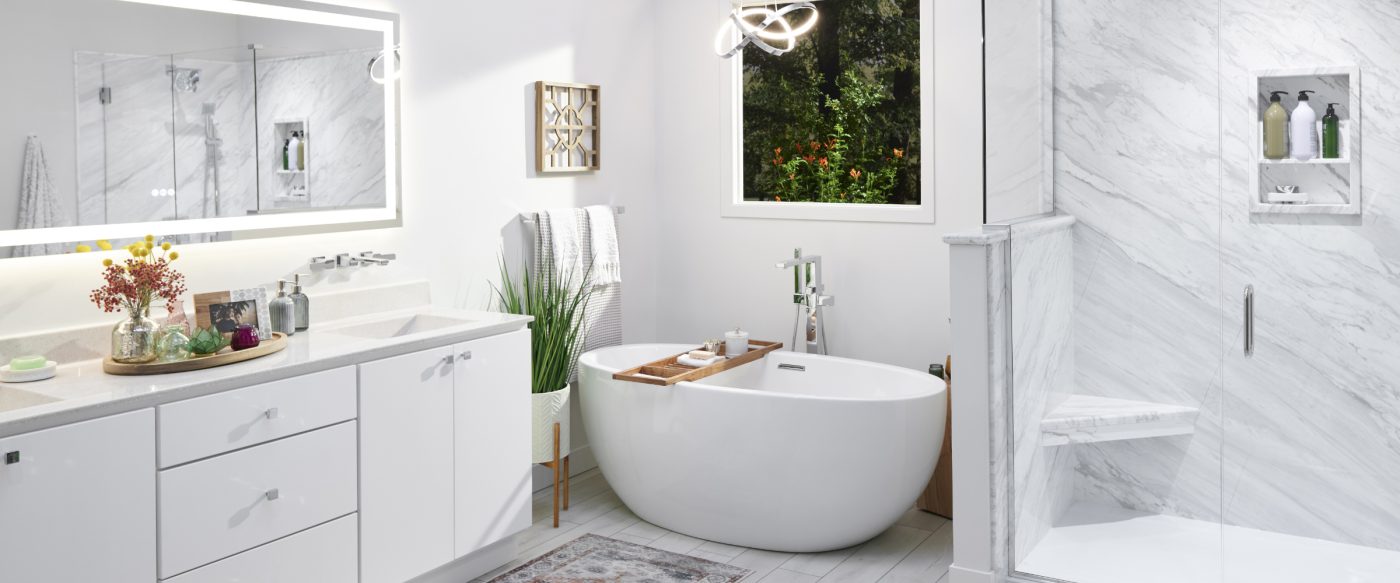
Average Bathroom Remodel Cost in the U.S.
Bathroom remodel pricing depends heavily on the project scope, bathroom size, and finish level.
Many U.S. homeowners spend roughly $10,000–$25,000 for a professional mid-range remodel.
Bathroom Remodel Cost by Bathroom Size
Larger bathrooms generally cost more overall, though smaller bathrooms sometimes have a higher cost per square foot due to plumbing and labor complexity.
Tile-heavy layouts and custom showers can significantly raise costs.
Biggest Bathroom Remodel Cost Drivers
Tile Work
Tile is often one of the most expensive parts of a remodel because of both material and labor costs.
Typical pricing:
- Basic tile installation: lower cost
- Premium porcelain or natural stone: higher cost
- Full wall tile showers: major labor increase
Custom tile patterns and waterproofing systems can dramatically increase labor hours.
Plumbing Changes
Moving:
- Toilets
- Showers
- Sinks
- Drain lines
can add thousands of dollars to a project.
Many contractors recommend keeping the existing plumbing layout when possible to reduce costs.
Vanity & Cabinets
Bathroom vanity pricing varies widely.
Double vanities and custom storage solutions raise both material and installation costs.
Shower & Bathtub Installation
Walk-in showers remain one of the most requested upgrades in 2026.
Typical ranges:
- Prefab shower: lower cost
- Tile shower: mid/high-range
- Frameless glass shower: premium
- Freestanding tub: luxury pricing
Luxury shower systems and custom glass can quickly increase the budget.
Labor Costs
Labor usually accounts for 40–65% of the total remodel budget.
This may include:
- Demolition
- Plumbing
- Electrical work
- Waterproofing
- Tile installation
- Painting
- Carpentry
Bathrooms require multiple specialized trades, which is one reason remodel costs rise quickly.
Major cities typically have much higher contractor rates.
Hidden Bathroom Remodel Expenses
Water Damage & Mold
Older bathrooms often reveal hidden problems after demolition:
- Rotting subfloors
- Mold
- Pipe leaks
- Improper waterproofing
These repairs can significantly increase the final invoice.
Permit Fees
Depending on local regulations, permits may be required for:
- Plumbing work
- Electrical upgrades
- Structural changes
Permit costs vary widely by city and project scope.
Ventilation Upgrades
Many older bathrooms have poor ventilation.
Adding:
- Exhaust fans
- New ducting
- Moisture protection
may become necessary during renovation.
Temporary Bathroom Access
Large remodels sometimes leave homeowners without a usable bathroom for weeks.
This can create additional temporary living inconveniences or expenses.
Bathroom Remodel Timeline
Most bathroom renovations take longer than expected.
Delays often happen because of:
- Material backorders
- Tile delivery delays
- Contractor scheduling
- Permit approvals
Ways to Save Money on a Bathroom Remodel
Keep the Existing Layout
Avoiding major plumbing relocation is one of the biggest cost-saving strategies.
Use Mid-Range Materials
Mixing:
- Affordable tile
- Mid-range fixtures
- Simple vanities
can create a modern look without luxury-level spending.
Refinish Instead of Replace
Refinishing tubs or repainting cabinets can reduce costs significantly compared to full replacement.
Prioritize High-Impact Upgrades
Many homeowners focus spending on:
- Vanity
- Lighting
- Shower upgrades
- Modern fixtures
because these create the biggest visual improvement.
Bathroom Design Trends in 2026
Popular bathroom trends include:
- Walk-in showers
- Floating vanities
- Large-format tile
- Warm wood finishes
- Matte black fixtures
- Hidden storage
- Spa-inspired lighting
Many homeowners are also prioritizing storage and easier maintenance over purely decorative upgrades.
Common Bathroom Remodeling Mistakes
Underestimating the Budget
Unexpected costs are extremely common.
Many contractors recommend adding a 10–20% contingency buffer.
Choosing Cheap Waterproofing
Poor waterproofing can cause expensive future repairs.
Professional installation quality matters more than many homeowners realize.
Prioritizing Looks Over Function
A beautiful bathroom can still become frustrating if:
- Storage is insufficient
- Lighting is poor
- Ventilation is weak
Functionality is just as important as appearance.
Is a Bathroom Remodel Worth It?
Bathroom renovations are often considered one of the better home improvement investments.
Potential benefits:
- Better functionality
- Improved comfort
- Increased resale appeal
- Modernized appearance
Mid-range remodels often provide stronger return on investment than ultra-luxury upgrades.
Final Thoughts
Bathroom remodel costs in the U.S. vary dramatically depending on bathroom size, tile work, plumbing changes, material quality, and labor rates. While small cosmetic upgrades may stay under $10,000, full custom renovations can easily reach five or even six figures. Careful planning, realistic budgeting, and understanding hidden expenses can help homeowners avoid costly surprises and create a bathroom that balances both style and functionality.