Home Addition Guide: Costs, Types, Steps & & Success Tips
A home addition can be an excellent way to improve your living space and increase the value of your property. Whether you’re looking to expand your kitchen, add a new bedroom, or build a sunroom, a home addition offers numerous benefits. But before you begin, it’s important to understand the types of home additions, associated costs, and key considerations to ensure a successful project.
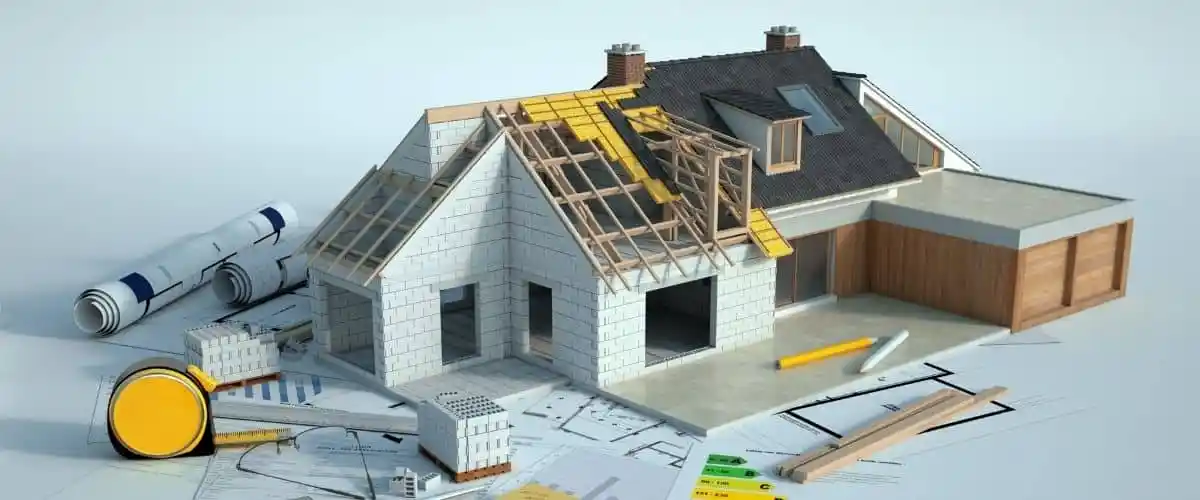
Types of Home Additions
There are several types of home additions, each suited to different needs, budgets, and home layouts. Some of the most popular types include:
1. Second-Story Addition
A second-story addition is a great option if you need more space but don't have room to expand horizontally. This type of addition adds an entire level to your home, usually for bedrooms, bathrooms, or a master suite.
- Benefits: It allows you to double your living space without using up yard space.
- Considerations: Structural integrity must be assessed, and the cost can be higher due to the complexity of reinforcing the foundation and adding stairs.
2. Bump-Out or Small Extension
A bump-out is a small addition to a single room, such as extending the kitchen or adding a breakfast nook. This type of addition is typically simpler and more affordable than larger additions.
- Benefits: Less expensive, minimal disruption, and can make a significant difference in the layout and functionality of a room.
- Considerations: Limited space and design options; this is often used for expanding kitchens, bathrooms, or living rooms.
3. Basement Addition
If you have an unfinished basement, converting it into a livable space can be a cost-effective way to add square footage to your home. Basements are often used for entertainment areas, home offices, or additional bedrooms.
- Benefits: Typically more affordable due to the existing foundation, and it can significantly increase your home’s usable space.
- Considerations: Basement remodeling may require additional work like waterproofing, insulation, and ventilation.
4. Garage Conversion or Extension
Converting your garage into a living space or extending it to add extra storage, a bedroom, or a home office is a popular choice. If you’re not using the garage for vehicles, it can be a great way to increase usable space.
- Benefits: Quick and often less expensive than adding a new room from scratch, especially if utilities are already connected.
- Considerations: Loss of parking space, and you’ll need to check with local zoning regulations before proceeding.
5. Sunroom or Porch Addition
A sunroom or porch addition provides extra space for relaxation, dining, or entertaining. These additions often feature large windows and are perfect for enjoying natural light and outdoor views.
- Benefits: Brings in more natural light and connects the interior of your home with the outdoors.
- Considerations: Requires careful planning regarding insulation and ventilation, especially if you want to use it year-round.
How Much Does a Home Addition Cost?
The cost of a home addition varies widely depending on the size of the project, location, and materials used. Here are general cost estimates for common types of additions:
- Second-Story Addition: $100,000–$300,000 (higher due to complexity and structural work)
- Room Addition (Small to Medium): $20,000–$80,000 (kitchen, bathroom, or small living space)
- Basement Conversion: $10,000–$50,000 (depending on finishing and whether plumbing or electrical work is needed)
- Garage Conversion: $5,000–$30,000 (varies based on the amount of work needed)
- Sunroom or Porch: $15,000–$50,000 (depending on materials and design)
Key Considerations for a Successful Home Addition
1. Zoning and Permits
Before starting any home addition project, it’s essential to check with your local zoning laws and obtain the necessary permits. This ensures that the addition complies with building codes and regulations.
- Tip: Hiring an architect or contractor can help streamline this process, as they will be familiar with local requirements.
2. Design and Functionality
Consider how the addition will fit into the existing layout of your home. Think about the flow of the space and how it will function. A good design will ensure that the new addition complements the style of your home and serves its intended purpose.
- Tip: Work with a professional designer or architect to create a plan that maximizes space, light, and functionality.
3. Budget and Financing
Establish a clear budget and explore financing options before you begin your home addition. The cost of adding space can quickly add up, and unexpected expenses may arise during construction.
- Tip: Set aside 10-20% of your budget as a contingency fund to cover unforeseen issues during the build.
4. Return on Investment (ROI)
If you're planning to sell your home in the future, consider how the addition will affect the resale value. Adding square footage often increases the value of your home, but the return on investment can vary based on the type and quality of the addition.
- Tip: Consult with a real estate agent to get an idea of how much value the addition could add to your home in your local market.
Steps to Start Your Home Addition
- Define Your Goals: Identify the purpose of the addition (e.g., extra bedrooms, larger kitchen, office space) and how much space you need.
- Set a Budget: Determine your budget, including potential additional costs like permits, design fees, and furnishings.
- Hire Professionals: Work with an architect, designer, and contractor to create detailed plans for the addition.
- Obtain Permits: Ensure all necessary permits and approvals are in place before construction begins.
- Begin Construction: Once the design is finalized, and permits are approved, the construction process begins.
- Finalize the Space: Complete the finishing touches, such as painting, flooring, and furnishings, to make the new space functional and aesthetically pleasing.
Conclusion: Boost Your Home's Value and Function with a Thoughtful Addition
A home addition can be a significant investment, but with the right planning and execution, it can offer both immediate and long-term benefits. Whether you’re looking for more living space, a home office, or a larger kitchen, adding square footage can improve your lifestyle and increase the value of your home. By carefully considering the type of addition, setting a clear budget, and working with professionals, you can create a space that enhances your home for years to come.