Vitamin D Supplement: Benefits, Dosage, Deficiency Symptoms & How to Choose the Right One
Vitamin D supplements have become one of the most searched health products in recent years — and for good reason. Millions of people worldwide are deficient in vitamin D without even realizing it. Low levels can affect your immune system, bones, mood, and energy. If you're wondering whether you need a vitamin D supplement, how much to take, and which type is best, this guide breaks it down clearly.
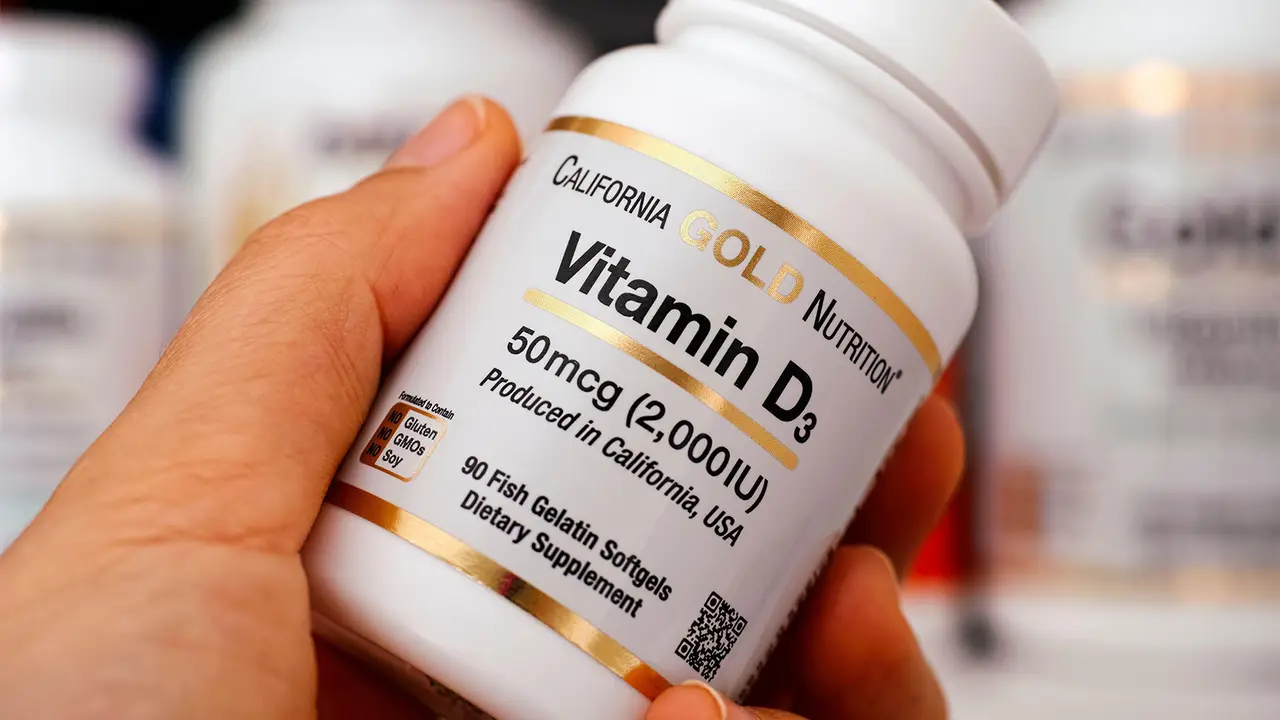
What Is Vitamin D and Why Is It Important?
Vitamin D is often called the “sunshine vitamin” because your body produces it when sunlight hits your skin. But modern indoor lifestyles, sunscreen use, and limited sun exposure make deficiency extremely common.
Vitamin D plays a key role in:
- Supporting immune system function
- Helping the body absorb calcium and phosphorus
- Maintaining strong bones and teeth
- Supporting muscle strength
- Contributing to mood regulation
- Reducing risk of bone fractures and osteoporosis
Without enough vitamin D, your body struggles to maintain proper calcium levels — which can weaken bones over time.
Common Signs of Vitamin D Deficiency
Many people have low vitamin D without obvious symptoms. However, possible signs include:
- Frequent colds or infections
- Fatigue or low energy
- Bone pain or lower back pain
- Muscle weakness or cramps
- Slow wound healing
- Hair thinning
- Mood changes, including feeling low
Certain groups are at higher risk:
- People who work indoors
- Adults over 50
- People with darker skin tones
- Those living in colder or northern regions
- Individuals with digestive disorders affecting absorption
A simple blood test (25-hydroxy vitamin D test) can confirm your levels.
Benefits of Taking a Vitamin D Supplement
1. Stronger Immune Support
Vitamin D helps activate immune cells that defend the body against bacteria and viruses.
2. Better Bone Health
It improves calcium absorption, lowering the risk of fractures and bone loss.
3. Muscle Function
Adequate levels support muscle strength and balance, especially in older adults.
4. Mood & Mental Well-Being
Some studies link low vitamin D to mood imbalances, particularly during winter months.
5. Support During Low Sunlight Seasons
Supplements help maintain levels when sun exposure is limited.
How Much Vitamin D Do You Need?
Daily needs depend on age, health, and existing levels.
*Individual needs vary. Blood testing provides the most accurate guidance.
⚠️ Taking extremely high doses without medical supervision can cause toxicity, leading to calcium buildup in the blood.
Vitamin D2 vs D3: Which Is Better?
Most experts recommend Vitamin D3 supplements for better absorption and longer-lasting effects.
Who Should Consider a Vitamin D Supplement?
You may benefit if you:
- Get little sun exposure
- Have confirmed low blood levels
- Are pregnant or breastfeeding
- Are over age 50
- Have bone density concerns
- Follow a strict vegan diet (limited natural sources)
How to Choose the Best Vitamin D Supplement
Look for:
✔ Vitamin D3 (cholecalciferol) ✔ Dosage suited to your needs ✔ Third-party tested products ✔ Oil-based softgels or liquid drops (better absorption) ✔ Reputable brands with clear labeling
Avoid mega-doses unless prescribed.
Can You Get Enough Vitamin D Naturally?
Sources include:
- Sunlight (10–30 minutes several times per week)
- Fatty fish (salmon, mackerel, tuna)
- Egg yolks
- Fortified milk, cereals, and plant milks
However, diet alone often isn’t enough, especially in winter.
When to Talk to a Doctor
Consult a healthcare provider if you:
- Experience persistent fatigue or bone pain
- Have kidney disease
- Take medications affecting calcium levels
- Plan to take more than 2,000 IU daily
- Want testing for deficiency
Final Thoughts
A vitamin D supplement can be a simple, effective way to support immune health, bone strength, and overall well-being — especially if sun exposure is limited. Testing your levels and choosing the right dosage helps ensure safe and effective use.
If you suspect low vitamin D, a quick blood test and the right supplement plan can make a noticeable difference in energy and long-term health.