Tree Trimming: Understanding Costs, Benefits, and How to Find Right Services
Maintaining trees is essential for safety, health, and the appearance of your property. Tree trimming is one of the most effective ways to protect your trees, prevent hazards, and keep your yard looking neat. Whether your goal is safety, aesthetic improvement, or proper tree growth, understanding the process, costs, and professional services available will help you make the best decision.
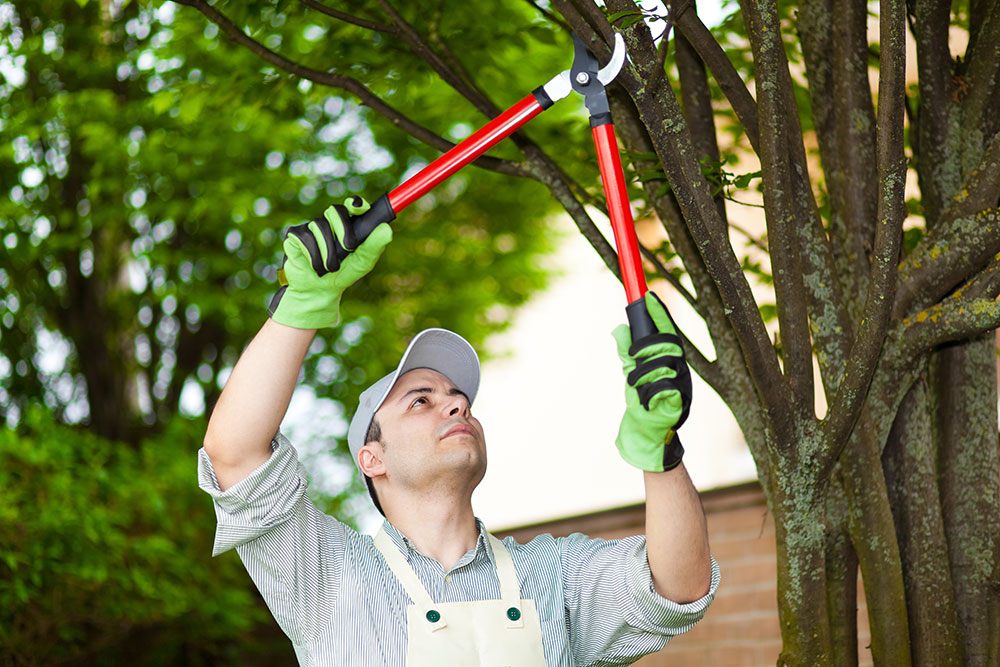
Why Tree Trimming Matters
Tree trimming is more than just a cosmetic improvement. Proper trimming provides several important benefits:
- Safety Removing dead, weak, or overgrown branches reduces the risk of falling limbs that can damage property or cause injury. Trimming around driveways, roofs, and walkways prevents accidents.
- Tree Health Pruning promotes strong growth and prevents disease by improving airflow and sunlight penetration. Removing damaged branches early reduces stress on the tree and prevents decay.
- Aesthetic Value Shaped and well-maintained trees enhance the look of your garden or property. Neatly trimmed trees increase curb appeal and can boost property value.
- Long-Term Prevention Regular trimming prevents trees from becoming hazardous or requiring costly emergency removal. Helps avoid interference with power lines, buildings, or other structures.
Signs That Your Trees Need Trimming
- Branches growing too close to your home or roof
- Dead, broken, or diseased branches
- Crowded or overgrown canopy limiting sunlight
- Trees interfering with power lines or utility poles
- Leaning or structurally weak trees
- Storm or wind damage
Regular inspections every 1–3 years help identify trimming needs before serious problems occur.
Cost of Tree Trimming
The cost of tree trimming varies depending on tree size, location, number of branches, and difficulty of the job.
Typical Price Ranges:
Factors Affecting Price:
- Tree height and branch thickness
- Accessibility and terrain
- Equipment required (ladders, lifts, cranes)
- Cleanup and disposal services
- Complexity of trimming or shaping
Tip: Always get multiple quotes to ensure you are getting fair pricing.
DIY vs Professional Tree Trimming
While small, low-risk branches can sometimes be pruned at home, professional trimming is strongly recommended for most trees.
Advantages of Professional Services:
- Proper pruning techniques that maintain tree health
- Safe handling of large or high branches
- Licensed and insured teams reducing liability risk
- Equipment for difficult or dangerous jobs
- Complete debris cleanup
- Compliance with local regulations
Safety Note: Avoid trimming branches near power lines yourself. This can be extremely dangerous and is often illegal.
What to Expect From a Tree Trimming Service
A professional tree trimming service typically includes:
- Assessment: Arborist inspects trees to determine which branches need removal or shaping.
- Trimming: Removal of dead, overgrown, or hazardous limbs using safe techniques.
- Shaping: Optional trimming for aesthetic purposes or to encourage healthy growth.
- Debris Removal: All branches and cuttings are cleared from your property.
- Advice: Recommendations for ongoing tree maintenance and future trimming schedules.
Choosing the Right Tree Trimming Service
When selecting a professional service, consider:
- Licensing and Insurance: Ensure the company is certified and insured for liability and worker safety.
- Experience: Look for specialists familiar with the tree species and terrain on your property.
- Transparent Pricing: Clear quotes with no hidden fees.
- Equipment and Safety Procedures: Proper tools, ladders, lifts, and adherence to safety standards.
- References and Reviews: Positive feedback from past clients is a strong indicator of reliability.
Seasonal Considerations
- Spring & Summer: Ideal for shaping, growth management, and clearing damaged branches.
- Autumn: Can remove dead branches and prepare trees for winter storms.
- After Storms: Emergency trimming is sometimes needed for safety and property protection.
Planning regular maintenance according to seasons ensures trees stay healthy and reduces emergency costs.
Final Thoughts
Tree trimming is not just about appearance — it’s safety, long-term tree health, and property protection. Whether for a single tree or an entire property, professional tree trimming services provide expertise, safety, and efficiency.
If your trees need attention, contact a licensed tree trimming service today for a free estimate. They can assess your property, provide recommendations, and ensure your trees are properly maintained for years to come.