Water Heater Replacement: Signs, Costs, and What to Expect
Hot water is something most homeowners don’t think about — until it’s gone. If your system is failing, a water heater replacement may be the safest and most cost-effective solution. Understanding the warning signs, replacement process, and typical costs can help you make the right decision quickly.
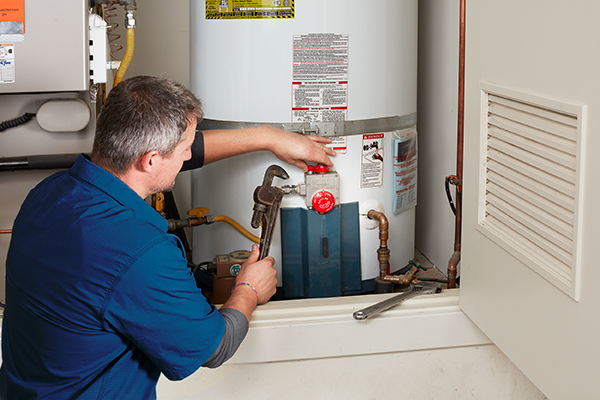
Signs You May Need a Water Heater Replacement
Water heaters don’t last forever. Most systems last 8–12 years, depending on type and maintenance.
Watch for these warning signs:
🚩 Inconsistent or no hot water 🚩 Strange noises like popping or rumbling 🚩 Rust-colored water from hot taps 🚩 Leaks around the tank base 🚩 Rising energy bills 🚩 Frequent repairs
If your unit is older and showing multiple issues, replacement is often smarter than continued repairs.
Repair vs Replacement: Which Is Better?
A leaking tank or corrosion usually means replacement is necessary.
Types of Water Heaters You Can Replace With
Tank Water Heater
- Stores hot water in a tank
- Lower upfront cost
- Familiar system for most homes
Tankless Water Heater
- Heats water on demand
- Energy efficient
- Unlimited hot water
- Higher initial installation cost
A professional can help determine which system fits your home size and water usage.
How Much Does Water Heater Replacement Cost?
Typical installed price ranges:
- Standard tank replacement: $900 – $2,500
- Tankless system installation: $2,500 – $5,500+
Factors Affecting Cost
- Tank size or tankless capacity
- Gas vs electric system
- Venting requirements
- Plumbing upgrades
- Permit and inspection fees
- Labor rates in your area
While tankless systems cost more upfront, they often save energy long-term.
What Happens During Replacement?
Professional replacement usually includes:
- Removing the old unit
- Updating plumbing connections
- Installing new heater
- Testing gas/electrical connections
- Checking venting and safety valves
- Ensuring proper pressure and temperature settings
Most replacements are completed in 2–4 hours.
Why Professional Installation Matters
Water heaters involve gas lines, electrical wiring, pressure systems, and venting. Improper installation can cause:
❌ Water damage ❌ Carbon monoxide risk ❌ Fire hazards ❌ Code violations
Licensed technicians ensure safe, compliant installation and usually provide warranties.
When to Schedule Replacement
Don’t wait until total failure. Plan replacement if:
- Your unit is over 10 years old
- You’re remodeling
- Repairs are becoming frequent
- Efficiency is declining
Preventive replacement avoids emergency breakdowns.
Final Thoughts
A water heater replacement restores comfort, improves energy efficiency, and protects your home from leaks or damage. If your system is aging or unreliable, getting a professional evaluation is the safest next step.
The easiest way to start is by requesting a free estimate from a licensed local water heater installer. They can assess your system, explain options, and provide accurate pricing for your home.