How to Build a Walk-In Shower: Everything You Need to Know Before You Install
A walk-in shower is one of the most popular bathroom upgrades today. With its modern look, open design, and easy accessibility, it not only enhances the aesthetic of your bathroom but also increases your home’s value. If you’re thinking about adding a walk-in shower, it’s important to understand the process, costs, and key installation considerations — even if you ultimately hire a professional.
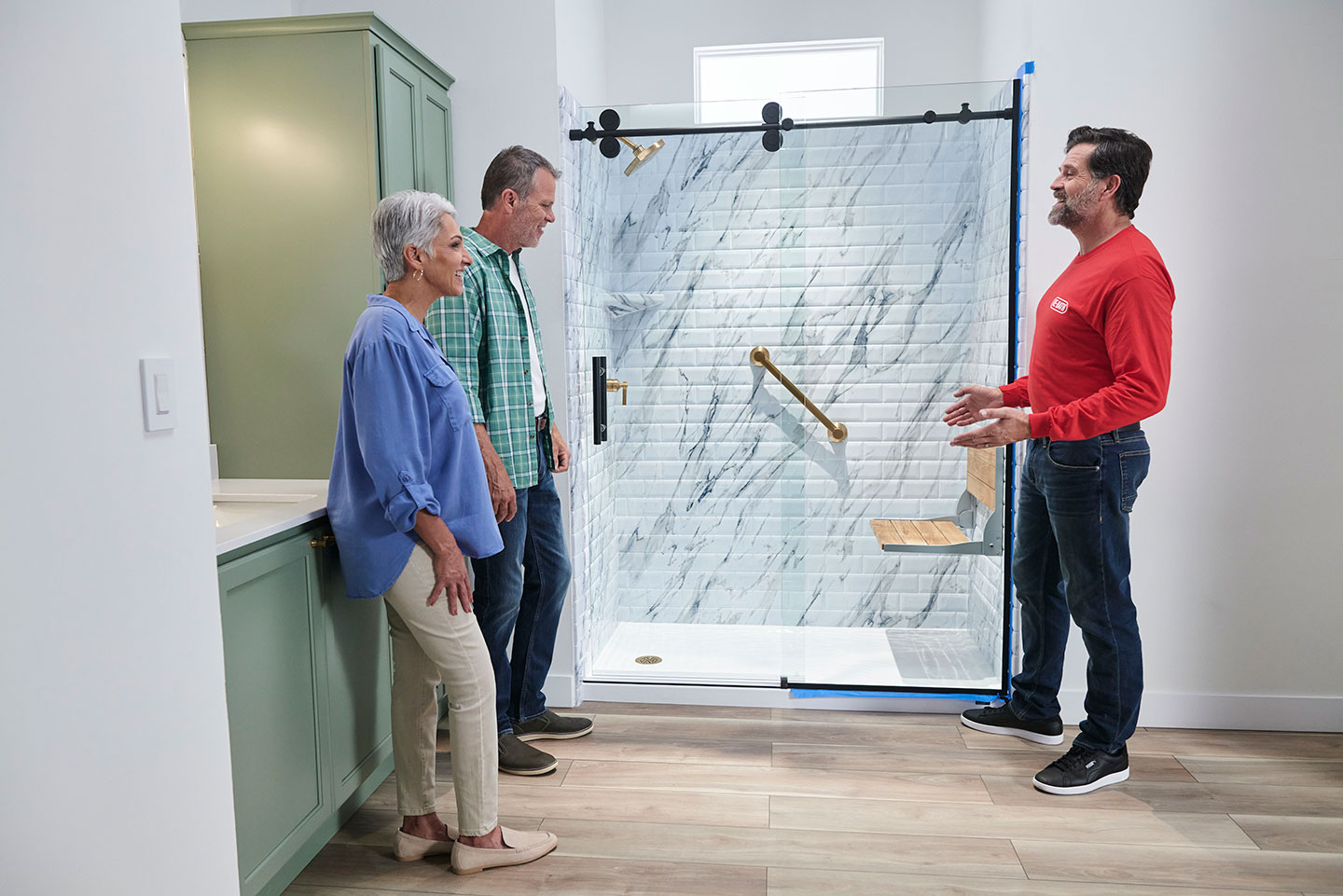
What Is a Walk-In Shower?
A walk-in shower is a shower area with:
- Low or zero threshold entry for easy access
- Open or glass-panel design
- Slip-resistant flooring
- Proper drainage to prevent water buildup
Unlike traditional tubs or enclosed showers, walk-in showers are spacious, accessible, and highly customizable.
Steps Involved in Building a Walk-In Shower
While building a walk-in shower might seem simple, there are several critical steps that require careful attention:
- Planning & Layout Measure your bathroom space Decide the location of the drain, shower head, and glass panels
- Plumbing & Drainage Proper slope toward the drain (¼ inch per foot) is essential Plumbing must meet local building codes
- Shower Base & Waterproofing Options include pre-made shower pans or custom mortar beds Full waterproof membrane prevents leaks and long-term damage
- Wall Preparation Cement backer board installed behind tiles Waterproofing applied to walls and corners
- Tiling & Finishing Wall tiles installed first, floor tiles last Grout, sealant, and proper curing ensure durability
- Installing Fixtures Showerhead, handheld wand, valves, and glass panels Grab bars or built-in seating if desired
Cost Considerations
Building a walk-in shower varies depending on size, materials, and design features:
- DIY materials only: $1,200 – $3,000
- Professional installation: $4,000 – $10,000+
Factors affecting cost:
- Tile type and quality
- Plumbing relocation
- Glass panel or door selection
- Accessibility or safety features
- Waterproofing and labor
Why Hiring a Professional May Be the Better Choice
While DIY guides provide useful insight into the process, a walk-in shower involves critical plumbing and waterproofing work. A small mistake can lead to leaks, mold, or structural damage — problems that are expensive to fix later.
Benefits of Professional Installation
- Proper waterproofing: Avoid leaks and mold
- Code compliance: Ensures your shower meets local building standards
- Custom design support: Experts can advise on tiles, fixtures, and layout
- Faster, hassle-free installation: Completed in a few days instead of weeks
- Warranty & peace of mind: Most contractors provide workmanship guarantees
How to Find the Right Walk-In Shower Installer
- Look for bathroom remodeling specialists with positive reviews
- Ask for detailed written estimates
- Confirm waterproofing methods and warranty
- Check past projects or ask for references
- Request a free consultation to discuss your goals
Final Thoughts
Learning how to build a walk-in shower helps you understand the materials, steps, and costs involved, giving you confidence in planning your bathroom upgrade. However, for most homeowners, hiring a professional installer is the safest, fastest, and most reliable way to ensure a beautiful, leak-free walk-in shower.
If you’re ready to upgrade your bathroom with a safe and stylish walk-in shower, start by contacting a trusted local contractor to get a quote and design advice.