Understanding Tree Removal Fees: Factors, Estimates, and Tips
Homeowners searching for tree removal cost are usually trying to understand how much they might spend when a tree needs to be taken down. Tree removal isn’t a single fixed price — it varies significantly depending on several factors such as tree size, location, accessibility, safety considerations, and whether stump removal or cleanup is needed. This guide breaks down the components of tree removal cost so you can plan realistically and avoid unexpected expenses.
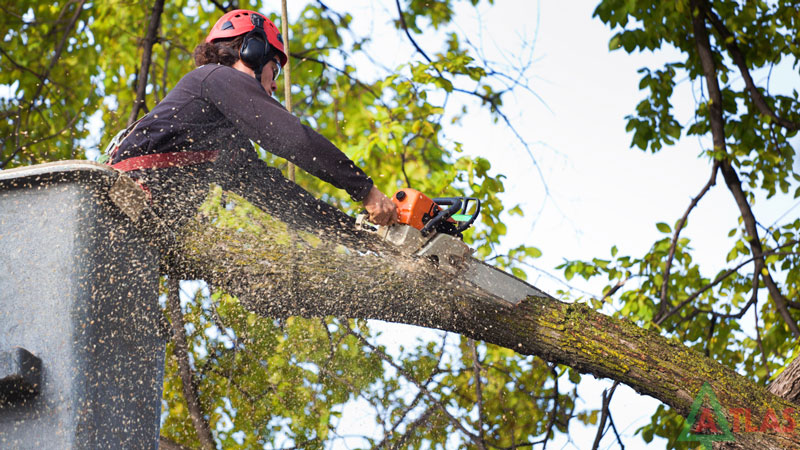
Common Cost Components of Tree Removal-removal
Tree removal cost typically includes several elements:
Tree Size and Height Tall or large trees require more labor, safety precautions, and equipment. Larger trees often need lifts, rigging, or cranes, which adds to the cost.
Location and Accessibility Trees close to structures, power lines, fences, or on slopes are harder to remove. Limited access can mean more time and specialized tools, which increases labor charges.
Tree Condition A healthy tree may be easier to remove than one that’s dead, decayed, or infested with pests. Sick or unstable trees are riskier and usually cost more to remove safely.
Equipment and Tools Small removals might use handheld saws and basic tools. Larger removals can require chainsaws, rigging equipment, stump grinders, bucket trucks, or cranes — each adding to the overall cost.
Labor and Time Tree removal is labor‑intensive. The more time it takes, the higher the labor cost will be. Professional crews typically bill based on the estimated hours and crew size needed.
Cleanup and Disposal Costs can also include removing debris, chipping branches, hauling wood, and grinding or removing the stump. Some services offer wood recycling or splitting for firewood, which might be included or optional.
Typical Cost Ranges (Examples)
While prices vary widely by region and provider, here are some example ranges that many homeowners encounter:
- Small trees (up to ~30 ft) – usually lower cost because no heavy equipment is needed
- Medium trees (30–60 ft) – requires more labor and possibly mechanical assistance
- Large trees (60+ ft) – highest range due to equipment, complexity, and safety precautions
- Stump removal/grinding – often quoted separately and depends on stump diameter and depth
These ranges are illustrative — actual costs depend on the specifics of your property and tree.
Hidden Costs to Watch For
When planning your tree removal cost, consider these potential extra charges:
- Emergency or same‑day service fees
- Permit or municipal fees if local regulations require approval
- Utility line protection or utility disconnection costs
- Pest or disease treatment recommendations
- Insurance claims or damage mitigation
Getting a detailed quote that lists each component helps prevent surprises.
How Quotes Are Typically Structured
Professionals often provide estimates that include:
- A breakdown of labor, equipment, and disposal costs
- Clarification on what is and isn’t included (e.g., stump removal, haul‑away)
- Safety planning for nearby structures and power lines
- Insurance and liability coverage details
Asking for multiple quotes and comparing specifics — not just the bottom line — gives you a clearer picture of fair pricing.
DIY vs Professional Cost Considerations
Some homeowners consider DIY removal to save money. While small saplings or very accessible trees might be manageable, larger trees or tricky locations involve significant risk. Mistakes can lead to property damage, personal injury, or even higher costs when emergency corrections are needed.
Professional services carry insurance, expertise, and tools designed for safe and efficient removal. These factors may make professional quotes seem higher upfront but can save money and stress in the long run.
Conclusion: Planning for Tree Removal Cost Wisely
Tree removal cost depends on many variables, and understanding them helps homeowners make informed plans. By considering tree size, location, condition, equipment needs, and cleanup requirements, you can evaluate quotes more effectively and budget appropriately.
While basic information empowers you to anticipate reasonable costs, the complexity and potential risks of tree removal often make professional services a practical choice — especially for medium and large trees, or trees near structures and utilities. Certified arborists can provide accurate estimates, ensure safety, and handle cleanup efficiently, helping protect your property and prevent unexpected expenses.