Troubleshooting Your Water Heater: Tips, Risks, and Maintenance Advice
A functioning water heater is essential for every household, providing hot water for showers, cleaning, and cooking. While it may seem simple, water heater systems are complex, and issues can affect comfort, safety, and energy efficiency. Homeowners searching for water heater repair usually want to know how to identify problems, perform basic troubleshooting, and decide whether professional service is needed.
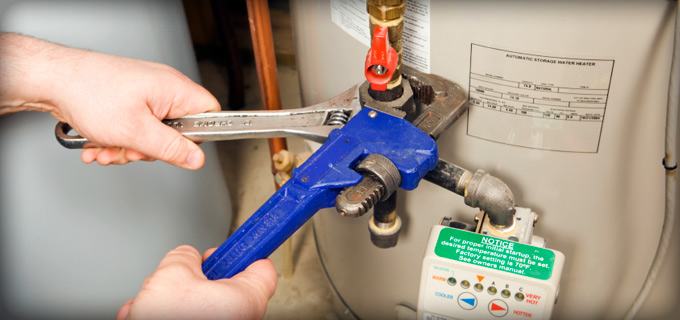
Common Water Heater Problems
Understanding typical water heater issues helps homeowners respond promptly:
- No hot water – caused by a malfunctioning thermostat, heating element, or power supply
- Inconsistent temperature – fluctuating water temperature due to sediment buildup or worn components
- Leaking tank – corrosion, loose fittings, or cracks in the tank
- Strange noises – popping or rumbling sounds from sediment accumulation
- Discolored or foul-smelling water – signs of rust or bacterial growth
Early detection can prevent small issues from becoming more costly repairs.
Types of Water Heaters
Knowing the type of water heater is important when diagnosing problems:
- Tank water heaters – store and heat a set volume of water; common in many homes
- Tankless water heaters – heat water on demand; more energy-efficient but complex
- Hybrid water heaters – combine tank and on-demand technology for efficiency
- Gas vs. Electric models – each has unique components, repair methods, and safety considerations
Different systems require different maintenance approaches and repair methods.
Maintenance Tips to Extend Lifespan
Regular maintenance can reduce repair frequency:
- Flush the tank annually to remove sediment
- Inspect the pressure relief valve to ensure proper operation
- Check the anode rod to prevent corrosion
- Monitor temperature settings to avoid overheating or energy waste
- Test for leaks around fittings and connections
Routine upkeep keeps the system efficient and minimizes unexpected breakdowns.
DIY Troubleshooting
Some minor issues can be checked safely by homeowners:
- Resetting the thermostat or circuit breaker
- Checking pilot lights on gas models
- Ensuring water supply valves are fully open
However, other problems—especially leaks, corrosion, or internal component failures—can be dangerous if handled without experience.
When to Call a Professional
Certain situations clearly warrant professional attention:
- Persistent leaks or water pooling near the tank
- Electrical or gas issues that pose safety hazards
- Tank corrosion or cracks
- Sediment buildup causing inefficiency or noise
- Complex repairs for tankless or hybrid systems
Certified water heater technicians have the tools and knowledge to diagnose, repair, and replace components safely and efficiently.
Safety Considerations
Water heater repairs can involve electricity, gas, or high-pressure water. Improper handling may lead to:
- Burns or scalding
- Gas leaks or carbon monoxide hazards
- Water damage from ruptured tanks
- Short circuits or fire hazards
Professional service reduces these risks and ensures compliance with safety standards.
Cost and Efficiency Factors
Repair costs vary depending on:
- Type and age of the water heater
- Extent of damage or malfunction
- Labor and parts required
- Location and accessibility of the unit
Regular maintenance and timely professional repairs often reduce overall costs by preventing major breakdowns and improving energy efficiency.
Conclusion: Combining Knowledge with Professional Support
Understanding water heater problems, maintenance needs, and safety concerns empowers homeowners to make informed decisions. While minor troubleshooting can be done safely at home, the complexity and risks of many water heater repairs often make professional service the practical choice. Certified technicians not only fix the problem efficiently but also ensure safety, compliance, and long-term performance. Combining personal care with expert support provides peace of mind and keeps your household hot water system running reliably for years to come.