Understanding Kitchen Redesign: Costs, Planning Factors, and Practical Choices for Homeowners
The goal behind a kitchen redesign is usually not only visual change but also improved layout efficiency, better lighting, and more practical use of available space. Many people at this stage are unsure about how much change is realistic, what drives costs, and which decisions have long-term impact. This guide explains the process in a structured way so readers can understand options, trade-offs, and planning considerations before speaking with professionals.
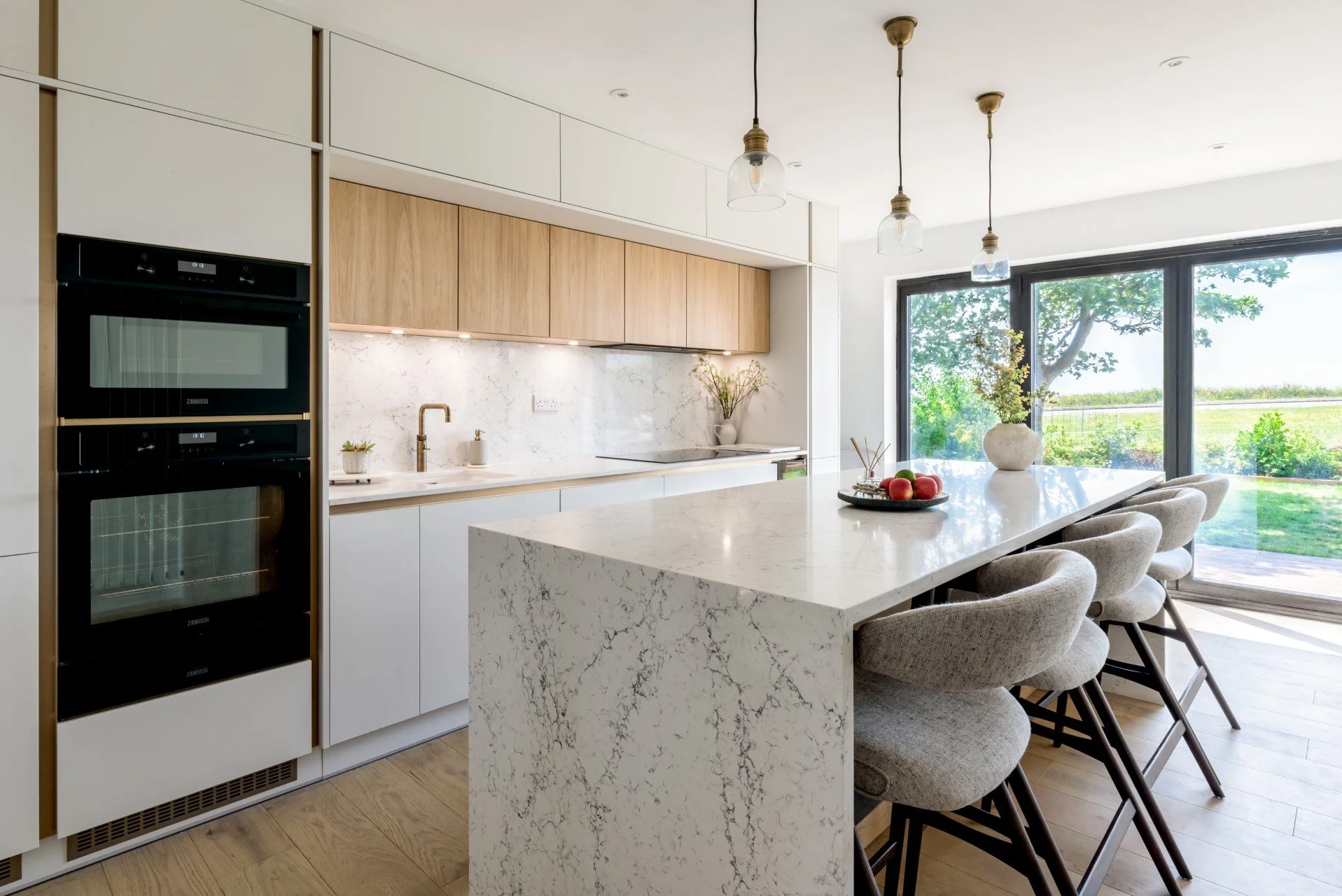
What Kitchen Redesign Really Involves
Some people assume kitchen redesign means replacing cabinets and countertops only. In practice, the scope can range from surface updates to structural layout adjustments. Understanding this difference helps prevent budget surprises.
Surface-level redesign may include cabinet refacing, new hardware, updated lighting fixtures, and backsplash replacement. These changes affect visual feel without altering plumbing or wall positions.
A layout-focused kitchen redesign involves moving work zones such as sink, cooktop, or refrigerator. This may require plumbing adjustments, electrical rewiring, and new flooring continuity. Structural changes like removing a wall to create an open-plan space fall into a deeper level of redesign and often require permits and professional planning.
Because scope directly affects budget and timeline, homeowners benefit from defining whether their kitchen redesign goal is aesthetic refresh, workflow improvement, or spatial transformation.
Planning the Layout for Daily Workflow
The layout is often the core reason behind a kitchen redesign. Designers frequently refer to the relationship between sink, stove, and refrigerator, but modern households may also need space for coffee stations, charging areas, or shared cooking.
Open layouts can create visual continuity with living areas, but they also expose clutter. Some families prefer partial separation using islands or peninsulas to keep cooking zones defined.
Storage planning plays a major role. Deep drawers for cookware, pull-out pantry units, and vertical dividers for trays can reduce the need for overhead cabinets. During a kitchen redesign, thinking in terms of activity zones—prep, cooking, cleaning, storage—can help clarify placement decisions.
Lighting layout should also align with workflow. Task lighting under cabinets, ambient ceiling lighting, and accent lighting over islands serve different purposes. Many homeowners researching kitchen redesign discover that lighting adjustments can change how spacious the room feels without expanding square footage.
Materials and Finishes: Practical Considerations
Material selection is often where homeowners feel overwhelmed. During a kitchen redesign, balancing durability, maintenance, and visual preference is more practical than focusing on appearance alone.
Countertop materials vary in maintenance needs. Engineered surfaces may resist stains better, while natural stone offers unique patterns but may require periodic sealing. Cabinet finishes range from painted surfaces to laminates and wood veneers, each reacting differently to humidity and wear.
Flooring decisions also influence comfort and longevity. Hard surfaces such as tile or engineered wood are common, but slip resistance and cleaning ease should be considered, especially in households with children or pets.
Backsplashes serve both protective and decorative roles. Larger-format tiles or slab backsplashes can reduce grout lines, which some homeowners find easier to maintain. These small choices collectively shape the overall experience of a kitchen redesign.
Understanding Cost Ranges
Cost is one of the first questions people ask when exploring kitchen redesign. Instead of a single figure, expenses usually fall within broad ranges depending on region, material choices, and structural complexity.
A surface-focused kitchen redesign may fall into a lower cost range because plumbing and electrical systems remain in place. A mid-level project that includes cabinet replacement, countertop updates, and lighting changes generally requires a higher budget bracket. Layout modifications, custom cabinetry, or structural adjustments often increase costs further due to labor, permits, and engineering considerations.
Unexpected expenses can arise from hidden issues such as outdated wiring or water damage behind cabinets. Setting aside a contingency range is commonly recommended in planning discussions to accommodate such discoveries.
Because pricing varies by market and material availability, homeowners often gather multiple estimates and compare scope descriptions rather than relying only on total numbers.
Timeline Expectations
A kitchen redesign timeline depends on scope and coordination. Cosmetic updates may take several weeks, while layout changes or structural work can extend over a few months including design, material ordering, and construction phases.
Delays often relate to custom cabinet lead times or permit approvals. During active construction, temporary kitchen arrangements may be necessary, which is another factor families consider when scheduling.
Planning ahead and finalizing design decisions before construction begins can help reduce mid-project changes, which sometimes extend timelines and budgets.
Working With Design Professionals
Many homeowners researching kitchen redesign are unsure whether to consult designers, contractors, or both. Designers often focus on layout optimization, material coordination, and space planning. Contractors typically handle construction, installation, and compliance with building codes.
Some people choose to take introductory interior design courses online to better understand terminology and layout principles before discussions with professionals. Educational platforms or community college design programs can provide basic knowledge about space planning and material performance, helping homeowners communicate preferences more clearly.
Clear communication about budget range, daily habits, and storage challenges can lead to more practical design proposals. Visual tools such as mood boards or example photos also help align expectations.
Common Mistakes to Avoid
One common issue in kitchen redesign projects is focusing heavily on appearance while underestimating storage. Attractive surfaces may not compensate for limited functionality.
Another challenge is insufficient lighting planning. Relying on a single ceiling fixture often leaves work areas in shadow. Layered lighting usually creates a more comfortable environment.
Ignoring ventilation can also affect long-term comfort. Proper range hood capacity and airflow planning influence air quality, especially in open layouts.
Finally, making last-minute material changes after installation begins can affect schedules and costs. Taking time during the planning phase to confirm finishes and layouts often leads to smoother execution.
Deciding If Kitchen Redesign Is the Right Step
Not every kitchen concern requires a full kitchen redesign. Sometimes improving lighting, repainting cabinets, or reorganizing storage can address daily frustrations. Evaluating how much change is needed helps homeowners align expectations with budget and disruption levels.
For those experiencing layout limitations, storage shortages, or aging materials, a structured kitchen redesign plan can provide a clearer path forward. Understanding the process, cost ranges, and design principles allows homeowners to approach consultations with informed questions and realistic goals.