Explore Solar Panels Cleaning: Costs, Best Practices, and Choosing the Right Service
Solar panels generate clean energy efficiently, but dust, dirt, and debris can reduce their performance. Regular solar panel cleaning helps maintain output and extends the lifespan of your system. This guide explains the cleaning process, common issues, estimated costs, and tips for choosing professional services, helping homeowners and businesses make informed decisions.
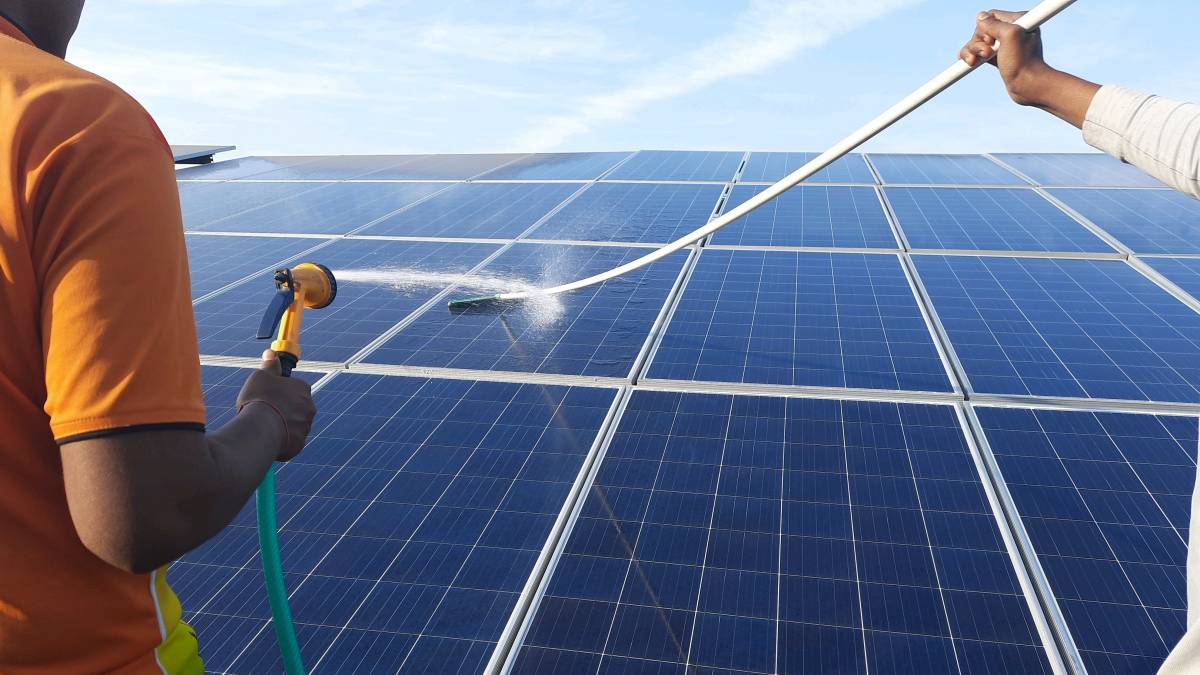
Understanding the Importance of Solar Panel Cleaning
Solar panels are designed to capture sunlight and convert it into electricity. However, over time, they accumulate dust, bird droppings, leaves, and other debris. This buildup can reduce energy efficiency by 5-25%, depending on the severity and location of the panels. Solar panel cleaning ensures that the system operates at its intended efficiency, helping to protect your investment and maintain reliable energy output.
While some panels may be self-cleaning due to rainfall, dry or dusty regions often require regular maintenance. Ignoring cleaning needs can lead to lower energy yields, potential hotspots, or long-term damage to the panels.
Common Cleaning Challenges
Cleaning solar panels is not just about wiping off dust. Several challenges can arise:
- Hard Water Stains: Using tap water for cleaning may leave mineral deposits.
- Delicate Surfaces: Panels can scratch easily; abrasive tools or chemicals can damage the surface.
- Safety Concerns: Roof access may be risky for DIY cleaning, requiring proper safety equipment.
- Environmental Conditions: High temperatures or intense sunlight during cleaning can cause streaks or thermal stress.
Understanding these issues helps homeowners decide whether professional services are necessary.
Solar Panel Cleaning Methods
Manual Cleaning: Using a soft brush, microfiber cloth, and water can remove dirt and debris. Mild, non-abrasive soaps are sometimes used to address stubborn stains.
Automated Cleaning Systems: Some solar installations have automated systems or robotic cleaners. These systems reduce manual labor but may increase upfront costs.
Professional Services: Experienced service providers use specialized tools, deionized water, and appropriate safety measures. Professionals can also inspect panels for damage or loose connections while cleaning.
Estimated Costs of Solar Panel Cleaning
The cost of solar panel cleaning varies depending on system size, panel type, and location. Here’s a general guide:
Costs may increase for rooftop panels with difficult access, panels located in very dusty or industrial areas, or if additional maintenance services are included.
How to Choose a Solar Panel Cleaning Service
Selecting a reliable cleaning service ensures both safety and optimal panel performance. Consider the following factors:
- Experience and Reputation: Look for companies specializing in solar panel maintenance with positive reviews.
- Cleaning Methods: Confirm that the service uses non-abrasive tools and deionized water.
- Safety Standards: Professional providers follow roof safety protocols and provide insurance coverage.
- Inspection Services: Some services include checking for micro-cracks, loose wiring, or shading issues.
- Scheduling Flexibility: Regular cleaning intervals may depend on weather, dust levels, and panel orientation.
It is recommended to obtain multiple quotes and understand what each service includes before hiring.
Additional Maintenance Tips
Regular inspection and minor maintenance can complement professional cleaning:
- Remove Debris Promptly: Leaves or bird droppings can be gently cleared using a soft brush.
- Check for Shading: Trim nearby trees or vegetation to reduce shading and maximize output.
- Monitor Performance: Comparing energy output before and after cleaning helps assess effectiveness.
- Avoid Harsh Chemicals: Stick to mild soap and water; abrasive cleaners can void warranties.
By combining routine checks and periodic professional cleaning, solar panels can maintain efficiency and longevity.
Conclusion
Solar panel cleaning plays a crucial role in maintaining system performance and prolonging lifespan. While some homeowners may perform minor cleaning themselves, professional services provide safer and more effective results. Understanding costs, common challenges, and the cleaning process helps property owners make informed decisions, protecting both energy production and investment.