How Much Does HVAC Replacement Cost?
Replacing an HVAC system is a major investment, and costs can vary widely depending on system type, home size, location, and installation complexity.Unlike routine maintenance or minor repairs, HVAC replacement involves both equipment and labor, making accurate cost estimation more complex. Understanding how HVAC replacement costs are calculated helps homeowners plan budgets, compare options, and make informed decisions before requesting local quotes or estimates.
What Is HVAC Replacement?
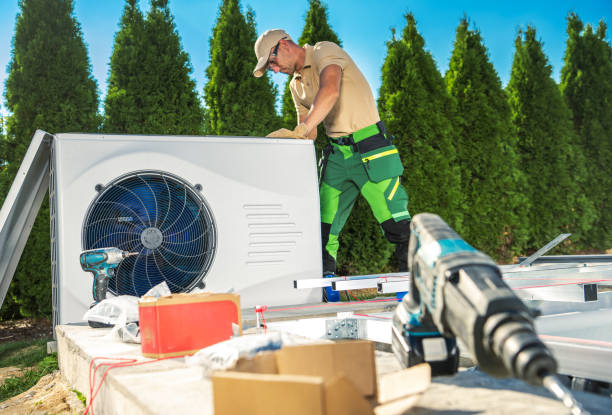
HVAC replacement refers to removing an existing heating, ventilation, and air conditioning system and installing a new one. This may involve replacing:
- Central air conditioners
- Furnaces (gas, electric, or oil)
- Heat pumps
- Ductwork or ventilation components
In many homes, HVAC replacement includes both indoor and outdoor units, as well as thermostats and system controls.
Average HVAC Replacement Cost Overview
Many homeowners search for an “average HVAC replacement cost,” but averages alone can be misleading. National averages combine small residential systems with large, high-efficiency installations, resulting in a wide cost range.
HVAC replacement costs typically depend on:
- System size (measured in tons or BTUs)
- Efficiency rating (SEER, AFUE, HSPF)
- Type of system installed
- Labor and installation requirements
- Local market pricing
Because of these variables, reviewing local estimates is often more accurate than relying on national figures.
HVAC Replacement Cost by System Type
Central Air Conditioner Replacement
Replacing a central air conditioning unit often involves the outdoor condenser and indoor evaporator coil.
Cost factors include:
- Cooling capacity required
- Energy efficiency rating
- Compatibility with existing ductwork
Higher-efficiency systems usually have higher upfront costs but may reduce long-term energy expenses.
Furnace Replacement Cost
Furnace replacement costs vary based on fuel type:
- Gas furnaces
- Electric furnaces
- Oil furnaces
Gas furnaces are common in many U.S. regions and typically offer a balance of efficiency and operating cost. Electric furnaces may have lower installation costs but higher energy usage.
Heat Pump Replacement Cost
Heat pumps provide both heating and cooling and are increasingly popular in moderate climates.
Replacement costs are influenced by:
- Climate zone
- System efficiency
- Whether auxiliary heating is required
Heat pump installations may qualify for energy efficiency incentives depending on location.
HVAC Replacement Cost by Home Size
Home size plays a major role in HVAC replacement pricing. Larger homes require higher-capacity systems, which increases both equipment and labor costs.
Factors related to home size include:
- Square footage
- Ceiling height
- Insulation quality
- Number of zones
Proper system sizing is critical, as oversized or undersized systems can reduce efficiency and comfort.
Labor Costs for HVAC Replacement
Labor is a significant portion of HVAC replacement cost. Labor pricing varies by:
- Region and local labor rates
- Complexity of installation
- Accessibility of equipment
- Required permits and inspections
In some cases, older homes require additional work to meet current building codes, increasing labor costs.
Ductwork and Additional Installation Costs
Not all HVAC replacements are “swap-out” installations. Additional costs may include:
- Ductwork repair or replacement
- Electrical upgrades
- Gas line modifications
- Venting or drainage improvements
Homes with damaged or outdated duct systems often face higher replacement costs, but upgraded ductwork can improve system efficiency and airflow.
Energy Efficiency and HVAC Replacement Cost
Energy efficiency ratings significantly affect HVAC replacement pricing.
Common efficiency metrics include:
- SEER (Seasonal Energy Efficiency Ratio) for air conditioners
- AFUE (Annual Fuel Utilization Efficiency) for furnaces
- HSPF (Heating Seasonal Performance Factor) for heat pumps
Higher-efficiency systems cost more upfront but may reduce monthly energy bills and qualify for rebates or tax credits.
HVAC Replacement Cost by Location
HVAC replacement costs vary by region due to:
- Climate demands
- Local labor rates
- State and city regulations
- Seasonal demand
For example, areas with extreme temperatures often have higher demand for HVAC services, which can affect pricing during peak seasons.
Permits, Inspections, and Code Requirements
Most HVAC replacements require permits and inspections to ensure safety and code compliance. These requirements vary by jurisdiction and may add to total cost.
Permit-related costs may include:
- Permit application fees
- Inspection fees
- Code upgrade requirements
Licensed contractors typically handle permits as part of the installation process.
HVAC Replacement vs Repair Cost Comparison
Homeowners often compare HVAC replacement cost to repair cost before making a decision.
Replacement may be more cost-effective when:
- The system is over 10–15 years old
- Repairs are frequent or expensive
- Energy efficiency is poor
- Replacement improves comfort and reliability
Evaluating long-term operating costs is just as important as upfront pricing.
HVAC Replacement Cost Timeline
HVAC replacement is usually completed within one to three days, depending on system complexity.
Timeline factors include:
- Equipment availability
- Installation difficulty
- Inspection scheduling
Understanding the installation timeline helps homeowners plan around work schedules and weather conditions.
Financing and Payment Options
Because HVAC replacement is a significant expense, many homeowners explore financing options such as:
- Contractor financing plans
- Manufacturer promotions
- Home improvement loans
- Credit-based payment options
Financing availability and terms vary by provider and location.
How to Estimate Your HVAC Replacement Cost
To estimate HVAC replacement cost more accurately, homeowners should consider:
- Home size and layout
- Existing system condition
- Desired efficiency level
- Local labor rates
- Additional installation requirements
Requesting multiple local estimates helps identify realistic pricing and avoid overpaying.
Common Mistakes That Increase HVAC Replacement Cost
Avoiding common mistakes can help control costs:
- Choosing the wrong system size
- Ignoring ductwork issues
- Focusing only on upfront price
- Skipping efficiency considerations
- Hiring unlicensed installers
Well-informed decisions often lead to better long-term value.
When to Get Professional Advice
Professional HVAC guidance is especially helpful when:
- System sizing is unclear
- Home comfort issues persist
- Energy bills are unusually high
- Multiple replacement options exist
Local HVAC professionals can evaluate home-specific needs and provide tailored recommendations.
Conclusion
HVAC replacement cost depends on many factors, including system type, home size, efficiency level, labor, and location. Because pricing varies widely, homeowners benefit most from understanding cost components and comparing local estimates rather than relying on general averages.
By researching HVAC replacement options carefully and exploring location-specific pricing, homeowners can make informed decisions that balance comfort, efficiency, and long-term value.