How Much Does Flooring Installation Cost?
Installing new flooring can dramatically improve a home’s appearance, comfort, and value, but installation costs vary widely. Prices depend on material type, room size, local labor rates, and project complexity. Because averages can be misleading, the most accurate way to estimate your flooring installation cost is to compare quotes from local contractors based on your specific needs and location.
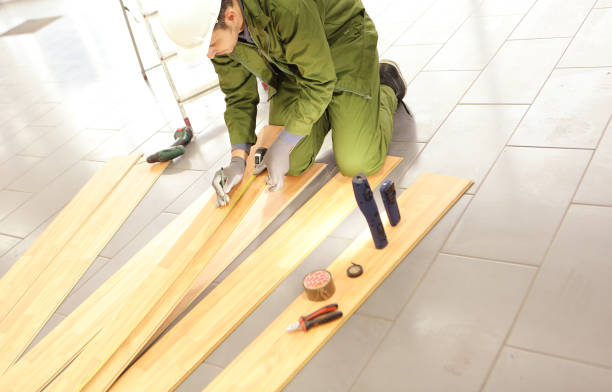
Why Flooring Installation Costs Vary So Much
Many homeowners are surprised by how different flooring installation quotes can be, even for similar homes. This is because flooring costs are influenced by multiple factors working together rather than a single fixed price.
Key reasons for cost variation include material selection, subfloor condition, labor availability, and regional pricing differences. Understanding these factors helps explain why searching for local estimates is essential before making a decision.
Major Factors That Affect Flooring Installation Cost
Flooring Material Type
The type of flooring you choose has the greatest impact on total cost. Each material comes with different material prices, labor requirements, and installation complexity.
- Vinyl Flooring Vinyl is one of the most affordable flooring options. It is easy to install, durable, and available in a wide range of styles. Installation costs are generally lower due to faster labor times.
- Laminate Flooring Laminate offers the look of hardwood at a lower price point. Installation costs are moderate and depend on the locking system and subfloor preparation.
- Hardwood Flooring Hardwood flooring is a premium option with higher material and labor costs. Installation requires skilled labor, especially for nail-down or glue-down methods.
- Engineered Wood Flooring Engineered wood costs slightly less than solid hardwood and can be installed in more environments, including basements.
- Tile Flooring (Ceramic or Porcelain) Tile installation is labor-intensive and often among the most expensive due to cutting, leveling, and grout work.
- Carpet Flooring Carpet material may be affordable, but padding and labor can increase total costs depending on room size and layout.
Flooring Installation Cost Per Square Foot
Many contractors price flooring installation on a per-square-foot basis. However, this number changes based on the material and job complexity.
Typical installation cost ranges per square foot (labor only):
- Vinyl: $1.50 – $4.00
- Laminate: $2.00 – $5.00
- Hardwood: $4.00 – $10.00+
- Tile: $5.00 – $15.00+
- Carpet: $1.00 – $3.50
These figures are general estimates. Actual costs vary depending on location and contractor availability.
Labor Costs and Local Market Rates
Labor costs differ significantly by region. Urban areas and regions with high construction demand tend to have higher installation prices. In contrast, smaller towns or rural areas may offer lower labor rates.
Labor costs are also influenced by:
- Installer experience and licensing
- Project timeline and urgency
- Seasonal demand
Because labor rates fluctuate, checking current local pricing through search is often the most accurate way to estimate your project cost.
Subfloor Condition and Preparation
Subfloor preparation is often overlooked but can dramatically impact total flooring installation cost.
Common subfloor-related expenses include:
- Removing old flooring
- Leveling uneven surfaces
- Repairing moisture damage
- Installing underlayment
Homes with older subfloors or structural issues typically face higher installation costs.
Room Size and Layout
Larger rooms may have a lower cost per square foot but a higher total project cost. Complex layouts with corners, stairs, or built-in fixtures increase labor time and material waste, raising the overall price.
Typical Flooring Installation Cost by Project Type
While no two projects are the same, flooring installation projects generally fall into three categories:
Small Flooring Projects
- Bedrooms, offices, or single rooms
- Lower material volume
- Easier installation
- Lower total cost
Medium-Sized Projects
- Living rooms or multiple connected rooms
- Moderate labor and preparation
- Mid-range budget requirements
Whole-Home Flooring Installation
- Entire house replacement
- Significant labor coordination
- Higher total investment
- Potential for volume pricing discounts
To understand which category your project fits into, reviewing local contractor estimates is recommended.
Flooring Installation Cost by Material (Installed)
Approximate installed cost ranges:
- Vinyl Flooring: $3 – $8 per sq ft
- Laminate Flooring: $4 – $9 per sq ft
- Hardwood Flooring: $8 – $20+ per sq ft
- Tile Flooring: $10 – $30+ per sq ft
- Carpet Flooring: $3 – $7 per sq ft
These ranges include both material and labor but exclude unusual subfloor repairs or custom design work.
Hidden Costs in Flooring Installation
Many homeowners underestimate flooring installation costs by focusing only on visible materials. Common hidden expenses include:
- Old flooring removal and disposal
- Furniture moving
- Floor transitions and trim
- Stairs and custom cuts
- Permits in certain regions
DIY vs Professional Flooring Installation Cost
DIY Installation
DIY flooring installation may reduce labor costs, but it comes with risks:
- Potential mistakes that require reinstallation
- Limited warranty protection
- Time investment and tool costs
DIY is most suitable for simple vinyl or laminate projects in small spaces.
Professional Installation
Professional installers offer:
- Faster completion
- Proper subfloor preparation
- Manufacturer warranty compliance
- Higher-quality finish
For hardwood, tile, and whole-home projects, professional installation is usually the safer long-term option.
Regional Differences in Flooring Installation Costs
Flooring installation prices vary widely across the United States.
- West Coast & Northeast: Higher labor and material costs
- Midwest: Moderate pricing with wide contractor availability
- Southern States: Often lower labor costs, but material prices vary
How to Get Accurate Flooring Installation Estimates
Because averages rarely reflect actual project costs, the best way to estimate flooring installation expenses is to compare multiple local quotes.
When reviewing estimates, pay attention to:
- Material specifications
- Labor scope
- Subfloor preparation
- Warranty coverage
Tips to Control Flooring Installation Costs
- Define your material and budget range early
- Compare multiple contractor quotes
- Choose mid-range materials for best value
- Schedule installation during lower-demand seasons
- Confirm what is included in each estimate
Common Flooring Installation Cost Mistakes
- Relying on national averages only
- Ignoring subfloor condition
- Choosing materials without understanding labor costs
- Skipping quote comparisons
Avoiding these mistakes can prevent budget overruns.
Flooring Installation ROI and Home Value
New flooring improves resale value and buyer appeal. While ROI varies by material and market, flooring upgrades are consistently ranked among high-impact home improvements.
Hardwood and tile typically offer higher resale value, while vinyl and laminate provide strong value for budget-conscious upgrades.
Conclusion
Flooring installation cost depends on many factors, including material choice, labor rates, subfloor condition, and location. Because no two projects are the same, searching for local pricing and contractor estimates is the most reliable way to plan your budget.
Ready to Compare Flooring Installation Costs?
Use the search options above to explore current flooring installation prices in your area and find solutions that match your home and budget.