Paint Protection Film Explained: What It Is, Benefits, Costs, and Installation Tips
Paint protection film (PPF) is a thin, transparent layer applied over a vehicle’s paint surface to protect it from scratches, chips, and environmental damage. Many car owners in the U.S. consider PPF to maintain their vehicle’s appearance and resale value. Understanding the benefits, costs, and installation process is essential for anyone thinking about this protective solution.
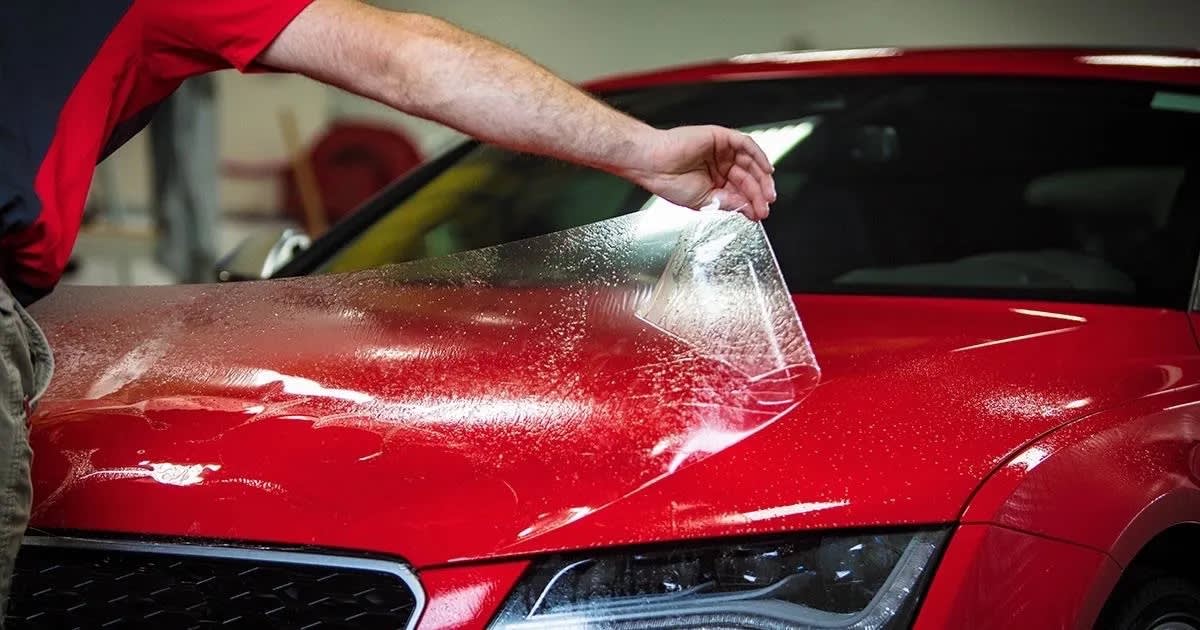
What Is Paint Protection Film? Paint protection film, sometimes called clear bra, is made from durable polyurethane. It acts as a barrier against minor abrasions, rock chips, bug splatters, and UV rays. Modern films are self-healing, meaning minor scratches disappear over time with heat exposure. PPF is available in various finishes, including gloss, matte, and satin, to match the vehicle’s original paint.
Benefits of Using Paint Protection Film
- Scratch and Chip Prevention: Protects against everyday hazards like road debris and shopping carts.
- Maintains Vehicle Appearance: Keeps paint looking new for longer, preserving the car’s aesthetic and resale value.
- UV and Chemical Resistance: Shields paint from sun fading and chemical stains, such as bird droppings or acid rain.
- Self-Healing Technology: Minor scratches often disappear with natural heat or sunlight exposure.
Cost Overview The cost of PPF depends on the coverage area, quality, and professional installation. On average:
- Partial Coverage (hood, mirrors, front bumper): $500–$1,500
- Full Front Coverage: $1,500–$3,000
- Full Vehicle Coverage: $3,000–$7,000 DIY kits are available at lower costs ($100–$500), but professional installation is recommended for the best results and warranty coverage.
Choosing the Right PPF When selecting a paint protection film:
- Look for brands with proven durability and self-healing features.
- Decide whether you want partial or full coverage based on your vehicle usage and budget.
- Check manufacturer warranties for installation and longevity.
Installation Tips
- Professional installation ensures a smooth finish without bubbles or wrinkles.
- The process usually takes a few hours to a full day, depending on coverage.
- Maintain the film with gentle washing and avoid harsh chemicals.
Alternatives and Complementary Options PPF can be combined with ceramic coatings for enhanced protection against dirt and water spots. Some car owners choose PPF only for high-risk areas, like the front bumper, while using a ceramic coating on the rest of the vehicle.
Conclusion Paint protection film is a practical solution for preserving your car’s paint against daily wear and environmental damage. Understanding costs, benefits, and installation considerations helps car owners make informed decisions. By selecting the right film and installation method, PPF can help maintain a vehicle’s appearance and value over time.