Low Cost 3D Printers: Balancing Price, Quality, and Features
3D printing has grown from a niche hobby to a widely accessible technology, and more people are searching for a low cost 3D printer to explore prototyping, creative projects, and DIY solutions. This guide provides a detailed overview for beginners and hobbyists looking to invest in a budget-friendly 3D printer while understanding the key features, limitations, and practical considerations.
Understanding Low Cost 3D Printers
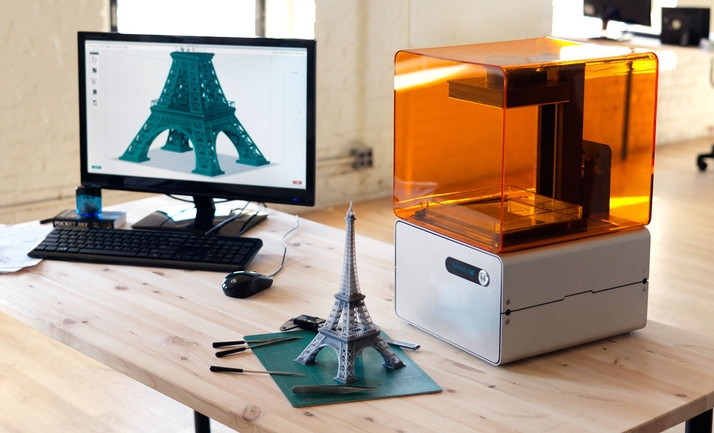
Low cost 3D printers typically range from $150 to $500, offering basic functionality for home or small workshop use. They allow users to print objects using filament-based technologies, most commonly PLA or ABS. While they may not have advanced features found in high-end models, they provide a practical introduction to 3D printing.
Key Features to Consider
When evaluating a low cost 3D printer, users should pay attention to:
Build Volume: This determines the maximum size of objects you can print. Budget printers usually offer a build volume between 120mm³ and 250mm³.
Print Resolution: Resolution affects print quality. Low cost printers often offer layer heights of 0.1mm to 0.3mm, sufficient for most small-scale projects.
Ease of Use: Look for printers with user-friendly interfaces, pre-assembled components, or straightforward assembly guides.
Material Compatibility: Most budget printers support PLA, while some also handle ABS or PETG. Choosing a versatile printer increases the range of projects you can attempt.
Advantages of Low Cost 3D Printers
- Accessibility: Affordable entry point for beginners or students.
- Educational Value: Great tool for learning CAD software and printing techniques.
- Creativity and Prototyping: Enables testing ideas, creating custom tools, or making decorative objects.
Limitations to Keep in Mind
- Speed and Accuracy: Lower-cost models generally print slower and may require more calibration.
- Durability: Components such as print beds and nozzles may wear faster.
- Support and Maintenance: Manufacturer support can be limited; community forums often serve as primary troubleshooting resources.
Popular Use Cases
Low cost 3D printers are often used for:
- DIY home projects like custom phone stands or key holders
- Educational projects in schools or makerspaces
- Rapid prototyping for hobby electronics or small mechanical parts
- Creative applications such as cosplay props or miniatures
Tips for Getting Started
- Start with smaller projects to minimize wasted filament.
- Use online resources and forums to troubleshoot issues and improve print quality.
- Consider investing in quality filament within your budget range ($20–$50 per kg) to ensure consistent results.
- Explore beginner-friendly 3D modeling software like TinkerCAD or FreeCAD.
Choosing the Right Model
Some budget printers balance cost, ease of use, and print quality effectively. Compare features such as assembly requirements, build volume, and community support. Reading reviews and watching demonstration videos can help understand how each model performs in real-world conditions.
Maintenance and Longevity
Regular maintenance can extend the lifespan of a low cost 3D printer:
- Clean the print bed and nozzle regularly
- Lubricate moving parts if recommended
- Calibrate the printer periodically Even with basic care, budget printers can provide years of productive use for hobbyists and beginners.
Final Thoughts
Investing in a low cost 3D printer can open the door to experimentation, learning, and creative projects without a significant financial commitment. By understanding the trade-offs between cost and capabilities, users can select a printer that meets their needs while enjoying the hands-on experience of 3D printing.