Solar Panels Cleaning: A Comprehensive Guide for Homeowners and Businesses
Solar panel cleaning is an essential aspect of maintaining an efficient solar energy system. While solar panels are designed to withstand the elements, dust, dirt, bird droppings, and pollution can accumulate on the surface, reducing their efficiency. Understanding the importance of proper cleaning, the methods available, and the associated costs can help homeowners and businesses make informed decisions. This guide provides a detailed overview of solar panel cleaning, addressing common concerns and practical tips.
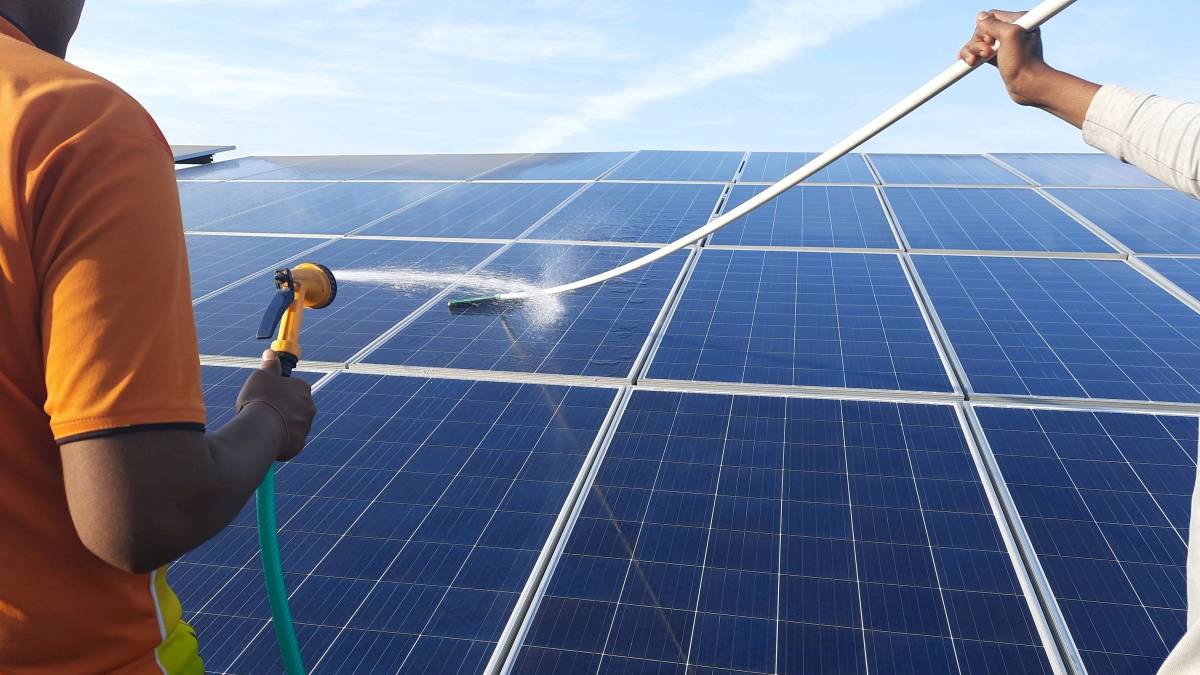
Why Solar Panel Cleaning Matters
Even though modern solar panels are relatively low-maintenance, cleanliness directly affects their performance. Studies suggest that accumulated dirt can reduce energy production by 5% to 20%, depending on location and environmental conditions. Areas with frequent dust, pollen, or bird activity may require more frequent cleaning. Keeping panels clean ensures optimal energy output and protects the long-term investment in solar technology.
Factors Affecting Solar Panel Dirt Accumulation
Several factors influence how quickly solar panels accumulate dirt:
- Location and Climate: Urban areas with pollution or windy regions with dust can see faster dirt accumulation.
- Weather Patterns: Rain can wash away some dirt naturally, but it may not remove sticky residues like pollen or bird droppings.
- Panel Angle and Position: Panels installed at steeper angles may accumulate less dust than flat installations.
- Nearby Trees or Wildlife: Areas with overhanging trees or frequent bird activity may require more regular cleaning.
Understanding these factors helps determine cleaning frequency and method, ensuring panels remain efficient without unnecessary maintenance costs.
DIY vs. Professional Solar Panel Cleaning
Homeowners often face the decision of cleaning panels themselves or hiring professionals.
DIY Cleaning:
- Tools required include soft brushes, squeegees, and mild soap or specialized cleaning solutions.
- Panels should be cleaned early in the morning or late in the evening when surfaces are cooler to avoid cracking from temperature shock.
- Safety is a primary concern for rooftop installations; using ladders or roof access equipment requires caution.
Professional Cleaning:
- Professionals have specialized equipment like water-fed poles and purified water systems to clean panels without leaving residue or causing damage.
- Service providers may offer periodic maintenance plans, helping to maintain consistent panel performance.
- Costs typically range depending on the number of panels, roof accessibility, and cleaning frequency, often between $100 and $300 for residential installations.
Choosing between DIY and professional services depends on the homeowner’s comfort level, safety considerations, and budget.
Effective Cleaning Methods
Several methods are commonly used for cleaning solar panels:
- Water-Only Rinse: Simple rinsing with water can remove loose dust but may not eliminate sticky residue.
- Soft Brushes or Cloths: Non-abrasive brushes or microfiber cloths prevent scratching while removing dirt.
- Purified Water Systems: Some professionals use deionized or distilled water, which leaves no streaks or mineral deposits.
- Avoid Harsh Chemicals: Abrasive cleaners or detergents can damage the panel coating and reduce lifespan.
Regular inspection can identify whether panels require a light rinse or a more thorough professional cleaning.
Frequency of Solar Panel Cleaning
Cleaning frequency varies depending on local conditions:
- Moderate Pollution Areas: Panels may only need cleaning once or twice a year.
- Dusty or High-Pollen Areas: Cleaning every 3-6 months may be necessary.
- After Severe Weather Events: Dust storms, heavy pollen, or snow accumulation can warrant immediate cleaning.
Monitoring energy output through a solar inverter or monitoring system can also indicate when cleaning is needed, as drops in efficiency may signal surface dirt.
Costs and Considerations
While solar panel cleaning is not prohibitively expensive, costs can accumulate over time. Consider the following:
- Number of Panels: More panels increase labor and water usage costs.
- Accessibility: Rooftop panels may require specialized equipment, increasing service costs.
- Frequency: Regular maintenance plans can be more cost-effective than ad-hoc cleaning.
- DIY Supplies: Soft brushes, microfiber cloths, and mild cleaning agents are relatively affordable but require time and care.
Investing in safe and effective cleaning practices can help maximize panel efficiency without unnecessary expenditure.
Safety Precautions
Cleaning solar panels involves working at heights and handling water around electrical equipment. Safety measures include:
- Wearing appropriate fall protection equipment.
- Avoiding cleaning during wet or windy conditions.
- Using insulated tools if working near electrical connections.
- Considering professional services if unsure about safe procedures.
Prioritizing safety ensures that cleaning does not result in accidents or damage to the panels.
Conclusion
Solar panel cleaning is a practical step for maintaining energy efficiency and extending the lifespan of solar installations. While some cleaning can be done safely at home, professional services provide expertise, equipment, and thorough results. Understanding local conditions, the potential impact of dirt on performance, and associated costs allows homeowners and businesses to make informed decisions without risking safety or panel damage. Regular monitoring and careful maintenance help ensure consistent solar energy production over time.