Solar Panels Explained: Costs, Benefits, and Practical Considerations
Solar panels have become an increasingly discussed topic as energy costs fluctuate and environmental awareness grows. Understanding how solar panels work, what they cost, and what practical factors influence their performance can help homeowners and businesses make informed decisions. This article explains solar panels in a clear, practical way, focusing on real-world considerations rather than sales claims.
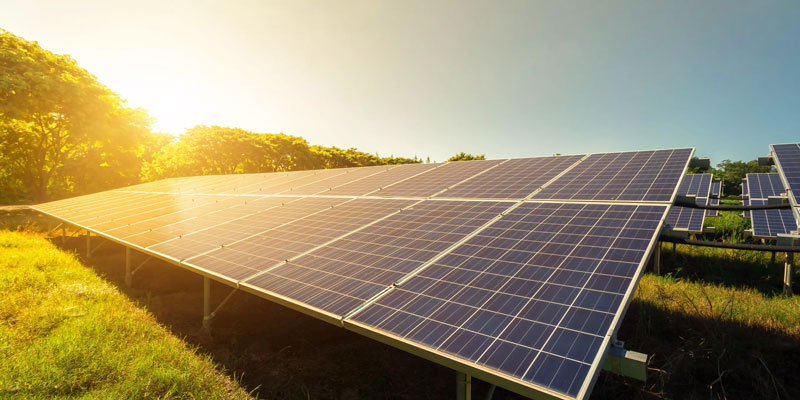
What Are Solar Panels and How Do They Work
Solar panels are systems designed to convert sunlight into electricity. They are made up of photovoltaic cells that absorb sunlight and generate direct current (DC) electricity. An inverter then converts this DC power into alternating current (AC), which is commonly used in homes and commercial buildings.
Solar panels operate whenever there is daylight, not only during strong sunshine. While output is higher on clear days, modern systems can still produce electricity under cloudy conditions. The amount of energy generated depends on panel efficiency, system size, orientation, and local climate.
Common Types of Solar Panels
There are several types of solar panels commonly used today. Monocrystalline panels are made from single-crystal silicon and are known for their consistent performance and compact design. Polycrystalline panels use multiple silicon crystals and are often slightly less efficient but more accessible in terms of pricing.
Thin-film solar panels are lighter and flexible, making them suitable for specific installations, though their energy output is generally lower. Each type has different characteristics, and the choice often depends on available space, budget range, and intended usage rather than a single “best” option.
Solar Panel Costs: What Influences the Price
The cost of solar panels can vary significantly depending on multiple factors. System size is one of the main influences, as larger systems require more panels and equipment. Installation complexity also affects cost, especially for roofs with unusual shapes or older electrical systems.
Equipment quality, inverter type, and mounting structures contribute to overall expenses. In many regions, the total installation cost for a residential system may range approximately from several thousand to over ten thousand dollars, depending on local conditions and system design. Additional costs such as permits, inspections, and grid connection should also be considered when planning.
Financial and Environmental Benefits of Solar Panels
One of the main reasons people explore solar panels is the potential to reduce long-term electricity expenses. By generating part of their own electricity, households and businesses may rely less on the power grid over time. The financial impact varies based on electricity rates, usage patterns, and sunlight availability.
From an environmental perspective, solar panels produce electricity without direct emissions during operation. This can contribute to lower overall carbon output compared to conventional energy sources. For many users, the combination of cost awareness and environmental responsibility makes solar panels an appealing option to explore.
Practical Considerations Before Installing Solar Panels
Before installing solar panels, it is important to evaluate whether a property is suitable. Roof orientation, shading from trees or nearby buildings, and structural condition can all influence system effectiveness. South-facing roofs generally receive more consistent sunlight, though other orientations may still be viable.
Local regulations, homeowner association rules, and grid connection policies may also affect installation options. Understanding these practical considerations in advance can help avoid unexpected limitations later in the process.
Maintenance, Lifespan, and Performance Expectations
Solar panels are generally designed for long-term use, with many systems functioning for 20 to 25 years or more. Maintenance requirements are usually limited, often involving periodic cleaning and basic inspections to ensure optimal performance.
Performance may gradually decrease over time, which is considered normal. Factors such as dust accumulation, weather exposure, and component aging can influence output. Monitoring systems are often used to track energy production and identify potential issues early.
Are Solar Panels a Good Fit for Different Situations
Solar panels can be used in a variety of settings, including residential homes, commercial buildings, and even remote locations. However, they may not be equally suitable for every situation. Properties with limited sunlight exposure or restrictive building conditions may experience reduced benefits.
Evaluating energy needs, available space, and long-term plans can help determine whether solar panels align with specific goals. Rather than viewing solar energy as a universal solution, it is more practical to consider it as one option within a broader energy strategy.