How Much Does Window Replacement Cost in 2026? Insights for Homeowners
Understanding how much window replacement cost in 2026 is an important step for U.S. homeowners planning upgrades or repairs. As material prices, labor rates, and energy standards continue to evolve, window replacement costs can vary widely depending on several key factors. This guide explains typical pricing ranges, what those costs include, and why estimates may differ from one home to another.
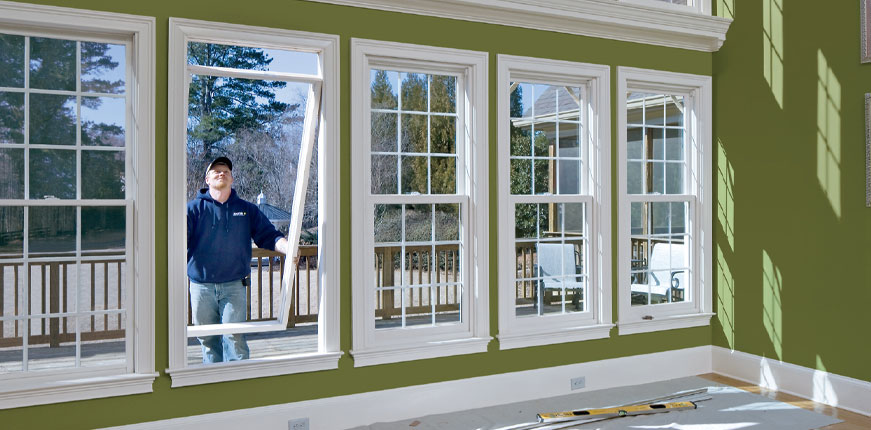
What Window Replacement Cost Means for Homeowners in 2026
Window replacement cost generally refers to the total expense of removing old windows and installing new ones. In 2026, this cost reflects changes in labor availability, material sourcing, and efficiency requirements. Homeowners often look for clear cost expectations to plan budgets, compare options, and understand which features influence pricing the most.
Rather than a single fixed number, window replacement cost should be viewed as a range shaped by choices related to window type, frame material, installation complexity, and home condition.
Average Window Replacement Cost in the U.S. in 2026
In the U.S. market, the average window replacement cost in 2026 typically falls within a broad range. For standard residential projects, homeowners may see average costs per window ranging from about $450 to $1,200, including materials and installation. Whole-house projects naturally increase total spending, depending on the number of windows involved.
These figures are estimates and may differ based on location, project scale, and specific product selections.
Cost Breakdown: What You’re Paying For
When reviewing a window replacement estimate, it helps to understand how costs are commonly divided. Most pricing includes the window unit itself, labor for removal and installation, and basic materials such as flashing, insulation, and sealing components.
In some cases, additional work like trim repair or minor structural adjustments may affect the final price. Understanding these elements helps homeowners evaluate quotes more effectively and ask informed questions.
How Window Types Affect Replacement Cost
Different window styles play a significant role in overall window replacement cost. Single-hung and double-hung windows are often priced lower due to simpler designs. Sliding and casement windows may fall into a mid-range category, while bay, bow, or specialty windows tend to increase costs because of size and complexity.
Choosing a window type that aligns with both functional needs and budget considerations can help manage expenses in 2026.
Frame Materials and Their Cost Differences
Frame material selection directly impacts window replacement cost. Vinyl frames are commonly chosen for their balance of affordability and durability. Wood frames often carry higher costs due to material quality and maintenance considerations. Fiberglass and composite frames may sit in a higher price range, offering strength and thermal stability.
Each material comes with trade-offs related to appearance, insulation performance, and long-term upkeep.
Labor and Installation Factors That Impact Pricing
Labor costs account for a significant portion of window replacement cost in 2026. Installation complexity, access to window openings, and regional labor rates all influence pricing. Homes with upper-story windows or custom-sized openings may require additional time and expertise.
Professional installation aims to ensure proper sealing, alignment, and performance, which can help reduce future maintenance concerns.
How Home Age and Condition Influence Costs
Older homes often present unique challenges that can affect window replacement cost. Issues such as outdated framing, uneven openings, or historical construction methods may require extra preparation work. Newer homes typically allow for more straightforward installations, which may help control costs.
Assessing the home’s structure beforehand can provide more accurate budgeting expectations.
Energy-Efficient Windows and Cost Considerations
Energy-efficient windows may increase upfront window replacement cost, but they are often considered for their insulation performance and comfort benefits. Features such as double or triple glazing, low-emissivity coatings, and improved spacers contribute to higher prices.
Homeowners often weigh these added costs against long-term considerations such as indoor comfort and reduced energy usage.
Additional Expenses to Be Aware Of
Beyond standard installation, certain additional expenses may arise. These can include disposal fees for old windows, permit requirements, or optional upgrades like custom finishes or hardware. In some cases, interior or exterior trim work may add to the overall project cost.
Factoring in these possibilities can help avoid unexpected budget adjustments.
How to Plan a Window Replacement Budget in 2026
Planning ahead is key when evaluating window replacement cost in 2026. Gathering multiple estimates, understanding what each quote includes, and prioritizing essential features can help homeowners make informed decisions. Establishing a flexible budget range allows room for adjustments if additional work is discovered during installation.
Clear planning helps balance cost considerations with performance and durability goals.
Final Thoughts for Homeowners
Window replacement is a significant home improvement decision that involves more than just upfront pricing. By understanding how window replacement cost is structured in 2026, homeowners can better navigate options, ask informed questions, and plan projects with greater confidence. A thoughtful approach to budgeting and selection supports long-term satisfaction and home value.