Understanding Window Replacement Cost: A Practical Guide for U.S. Homeowners
Understanding window replacement cost is essential for U.S. homeowners planning upgrades. This article breaks down typical costs, including materials, labor, and installation, and explains how factors like window type, home age, and location affect pricing. It focuses on cost ranges rather than a single price to help homeowners budget, compare options, and prepare before requesting quotes or starting a window replacement project.
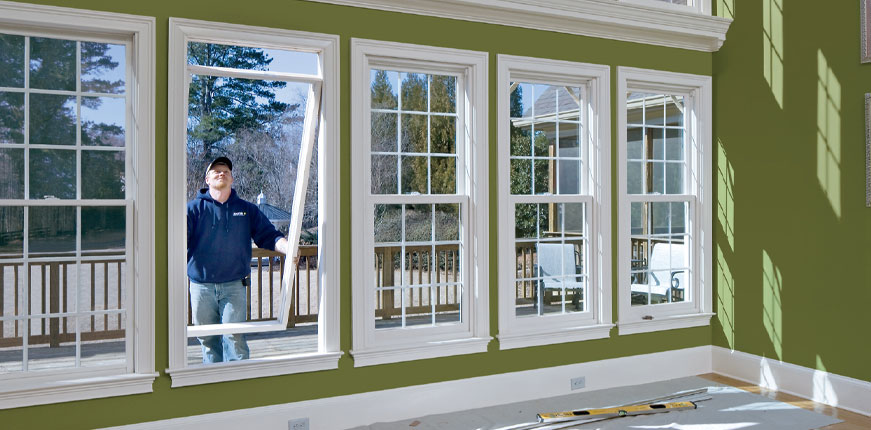
What Is Included in Window Replacement Cost
Window replacement cost generally refers to the total expense involved in removing existing windows and installing new ones. This cost typically includes the price of the window unit itself, labor for installation, and additional materials required during the process. In some cases, related expenses such as disposal of old windows or minor structural adjustments may also be part of the total cost.
In the U.S., window replacement cost is usually discussed as a price range rather than a fixed number, because each home and project has different requirements.
Average Window Replacement Cost in the United States
For most homeowners, window replacement cost falls within a broad range depending on window type, size, and installation complexity. On average, replacing a single standard window may cost several hundred to over a thousand dollars when materials and labor are combined. Full-home window replacement projects naturally involve higher overall costs.
It is important to note that these figures are general estimates. Homes with custom window sizes, older construction, or specific architectural features may experience different pricing.
How Window Type Affects Replacement Cost
The type of window selected has a significant impact on window replacement cost. Common window styles such as single-hung, double-hung, sliding, and casement windows are usually more affordable than specialty designs like bay or bow windows.
Standard window styles are easier to manufacture and install, which helps keep costs within a moderate range. In contrast, larger or more complex window designs require additional materials and labor, increasing the overall expense.
Window Frame Materials and Pricing Differences
Frame material is another major factor influencing window replacement cost. Vinyl windows are commonly chosen due to their balance of affordability, durability, and low maintenance requirements. Wood windows often come at a higher price point because of material costs and ongoing maintenance considerations.
Aluminum and fiberglass frames fall somewhere in between, offering different advantages related to strength, appearance, and insulation. Each material choice impacts both the initial replacement cost and long-term maintenance expectations.
Labor Costs and Installation Complexity
Labor is a key component of window replacement cost. Installation prices can vary depending on how easy or difficult it is to remove the old window and install the new one. Homes with standard-sized windows and accessible installation areas generally incur lower labor costs.
Older homes, especially those with structural modifications or non-standard window openings, may require additional labor. This can increase the total window replacement cost due to extended installation time and specialized skills.
Regional Cost Variations Across the U.S.
Window replacement cost can vary significantly depending on location. Urban areas and regions with higher living costs often have higher labor rates, which can affect total pricing. Climate also plays a role, as certain regions may require windows with enhanced insulation or impact resistance.
Local building codes and permit requirements may further influence costs. Some areas require inspections or specific installation standards, which can add to the overall expense.
Energy Efficiency and Long-Term Cost Considerations
Many homeowners consider window replacement cost alongside potential energy efficiency improvements. Energy-efficient windows are designed to reduce heat transfer, which may help lower heating and cooling expenses over time.
While energy-efficient models may have a higher upfront cost, they are often chosen for their insulation performance and comfort benefits. Understanding how energy ratings and glazing options affect window replacement cost helps homeowners make informed decisions.
Additional Expenses to Be Aware Of
Beyond the basic window and labor costs, there may be additional expenses involved in window replacement projects. These can include removal and disposal of old windows, minor repairs to surrounding walls or frames, and upgrades such as improved hardware or glass coatings.
Although these costs are not always significant individually, they can influence the final window replacement cost when combined.
Planning a Budget for Window Replacement
Planning ahead is essential when estimating window replacement cost. Homeowners are encouraged to consider both immediate expenses and longer-term considerations such as maintenance and energy efficiency. Requesting multiple quotes can help clarify realistic price ranges for a specific home and project scope.
A clear understanding of window replacement cost allows homeowners to prioritize upgrades and make decisions that align with their budget and home improvement goals.
Conclusion
Window replacement cost in the United States depends on a variety of factors, including window type, materials, labor, and location. By understanding these elements, homeowners can approach window replacement projects with realistic expectations and better financial planning.
Rather than focusing on a single price point, evaluating window replacement cost as a range helps ensure informed decisions and smoother project outcomes.