Energy Efficient Window Replacement: What You Need to Know (2026 Guide)
Replacing windows in your home is more than a cosmetic upgrade—it can significantly impact your home's energy efficiency. Homeowners considering energy efficient window replacement often aim to reduce energy bills, improve comfort, and enhance overall home value. However, the process involves many factors, including types of windows, materials, installation methods, and potential costs. This guide will help you understand the essentials and make informed decisions.
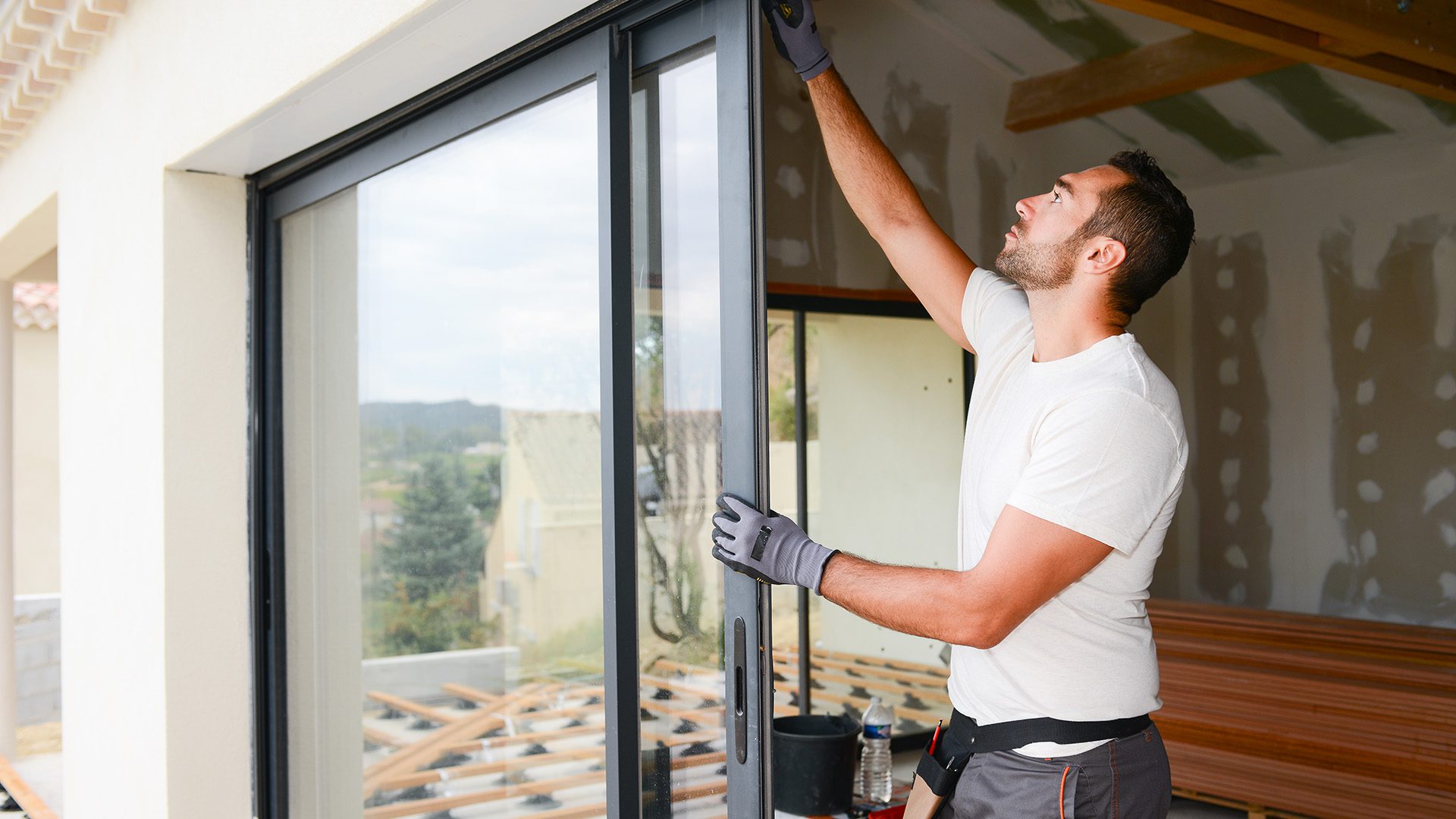
Why Consider Energy Efficient Windows
Energy efficiency in windows primarily refers to the ability of a window to reduce heat transfer, keeping your home warmer in winter and cooler in summer. Modern windows are designed with multiple features to achieve this:
- Double or Triple Glazing: Multiple layers of glass with gas fills reduce heat transfer.
- Low-E Coatings: Special coatings reflect infrared energy, helping maintain indoor temperatures.
- Quality Frames: Materials like vinyl, fiberglass, or wood-clad frames contribute to insulation performance.
Homeowners often choose energy efficient windows to:
- Lower monthly heating and cooling costs
- Improve comfort by reducing drafts and uneven temperatures
- Minimize environmental impact by reducing energy consumption
Understanding these benefits helps you weigh the potential value against the replacement cost.
Types of Energy Efficient Windows
When selecting new windows, there are several popular options in the market:
- Double-Hung Windows: Traditional design, easy to clean, often available with energy-efficient upgrades.
- Casement Windows: Hinged on the side, provide excellent sealing when closed.
- Sliding Windows: Horizontal movement, typically used for wide openings.
- Picture Windows: Large, fixed windows that maximize light but may require high-performance glass for energy efficiency.
Each type can be fitted with energy-saving features, and the choice depends on aesthetics, functionality, and budget considerations.
Installation Considerations
Proper installation is crucial for achieving energy efficiency. Poor installation can reduce the performance of even the highest-rated windows. Key considerations include:
- Accurate Measurement: Ensuring windows fit perfectly in the opening.
- Sealing and Insulation: Proper weatherstripping and caulking to prevent air leakage.
- Professional Installation: Experienced installers are more likely to avoid gaps and errors that compromise efficiency.
DIY installation may save money initially but could impact long-term performance. Many homeowners opt for certified professionals to ensure the windows perform as intended.
Costs of Energy Efficient Window Replacement
The cost of replacing windows varies based on factors such as:
- Window Type and Material: Vinyl windows are generally less expensive, while wood or fiberglass options cost more.
- Size and Quantity: Larger or custom-sized windows increase total cost.
- Installation Complexity: Simple replacement versus structural modifications can affect labor costs.
Typical costs in the U.S. for energy efficient window replacement range from approximately $300 to $1,000 per window, including installation. While this is an investment, many homeowners find long-term energy savings help offset the initial expense.
Potential Savings and Benefits
Investing in energy efficient windows can offer several advantages:
- Reduced Utility Bills: Improved insulation helps maintain indoor temperatures, reducing heating and cooling costs.
- Enhanced Comfort: Fewer drafts and better temperature control create a more comfortable living environment.
- Noise Reduction: Quality windows can also help reduce outside noise.
- Environmental Impact: Using less energy contributes to lower carbon emissions.
While savings vary depending on climate, window type, and home size, the combination of comfort, cost efficiency, and environmental benefit often justifies the investment.
Maintenance Tips for Longevity
To maintain the performance of energy efficient windows:
- Regularly clean glass surfaces to prevent debris buildup.
- Check seals and weatherstripping for wear or gaps.
- Lubricate moving parts such as hinges and locks.
- Inspect frames for signs of damage or moisture intrusion.
Proper maintenance can extend the life of windows and ensure energy efficiency is preserved.
Additional Considerations
Homeowners should also consider:
- Local Climate: Areas with extreme temperatures benefit more from high-performance windows.
- Orientation of Windows: South-facing windows may require additional sun control features.
- Potential Rebates: Some states or utility companies offer rebates for energy-efficient upgrades.
Understanding your specific needs helps in selecting the right window solutions.
Conclusion
Energy efficient window replacement is a strategic investment for homeowners looking to improve comfort, reduce energy costs, and enhance home value. While the upfront cost can be significant, careful selection of window type, material, and professional installation can maximize long-term benefits. By considering your home's climate, orientation, and budget, you can choose windows that provide lasting energy efficiency and comfort.