Energy Star Windows Cost & Tax Credits: What Homeowners Need to Know
Upgrading your home windows to Energy Star-certified models can improve energy efficiency and potentially reduce utility bills. Homeowners often ask about the cost of Energy Star windows and whether any tax credits are available to offset the investment. Understanding the expenses and incentives can help you make informed decisions for long-term savings and environmental benefits.
What Are Energy Star Windows?
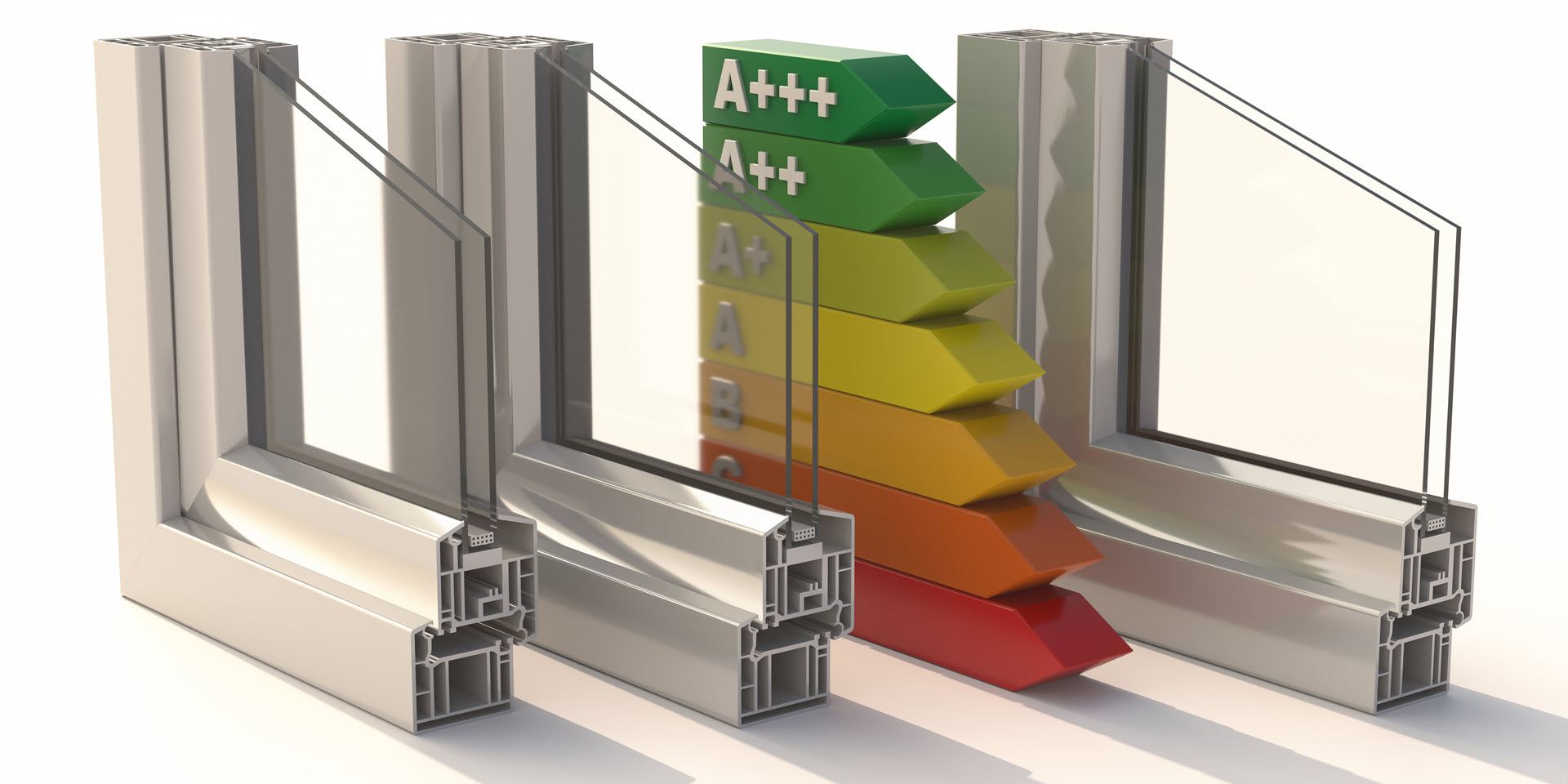
Energy Star windows are products that meet strict energy efficiency guidelines set by the U.S. Environmental Protection Agency (EPA). These windows are designed to minimize heat transfer, reduce air leakage, and enhance overall insulation. They come in various styles, including double-hung, casement, sliding, and picture windows, suitable for different architectural designs.
The key features that distinguish Energy Star windows include low-emissivity (Low-E) coatings, multiple panes of glass, and gas fills such as argon or krypton. These elements help maintain indoor temperatures, which is particularly valuable in regions with extreme seasonal variations.
Typical Cost of Energy Star Windows
The cost of Energy Star windows can vary depending on several factors: window type, frame material, size, and installation complexity. On average, homeowners can expect to pay:
- Single-hung or double-hung windows: $250–$700 per window
- Casement windows: $300–$900 per window
- Sliding or picture windows: $400–$1,000 per window
Installation fees can add $100–$300 per window depending on labor rates and whether any structural modifications are required. For a full home replacement, the total cost may range from $5,000 to $15,000 or more. Choosing premium materials, such as fiberglass or wood frames, typically increases costs but may offer better longevity and insulation.
Factors Influencing Cost
Several factors can affect the total Energy Star windows cost:
- Window Size and Quantity: Larger windows or more windows naturally increase expenses.
- Frame Material: Vinyl frames are generally more affordable, while wood or fiberglass options cost more but offer enhanced aesthetics and durability.
- Glass Type: Triple-pane glass or specialized coatings improve efficiency but add to the price.
- Installation Complexity: Difficult access, custom shapes, or replacing old frames can increase labor costs.
- Regional Factors: Local climate, labor rates, and building codes can influence overall expenses.
Energy Efficiency Savings
Investing in Energy Star windows can reduce heating and cooling costs over time. According to the Department of Energy, properly installed energy-efficient windows can save 7%–15% on annual utility bills compared to older, single-pane windows. While savings vary by climate and existing home efficiency, the long-term reduction in energy consumption is a valuable benefit for homeowners looking to improve comfort and lower bills.
Tax Credits and Incentives
Homeowners may qualify for federal, state, or local tax credits when installing Energy Star windows. Some key points to consider:
- Federal Tax Credits: Certain Energy Star-certified windows may qualify for a federal tax credit covering 10% of the purchase price, up to a maximum limit, depending on the program year and current legislation.
- State Incentives: Many states offer rebates or incentives for energy-efficient home upgrades. For example, California, New York, and Massachusetts provide programs that partially offset window replacement costs.
- Utility Company Rebates: Some utility providers offer rebates or discounts to encourage energy-efficient improvements.
Eligibility and amounts vary, so it’s important to check current programs before planning a purchase. Tax credits may require documentation such as manufacturer certification, invoices, and proof of installation by a licensed contractor.
Choosing the Right Windows
Selecting Energy Star windows involves balancing cost, performance, and aesthetics. Consider the following:
- Climate Zone: Energy Star ratings differ by region. Make sure the windows you choose are rated for your climate to maximize efficiency.
- Frame Material and Maintenance: Vinyl is low-maintenance, while wood may require periodic upkeep.
- Glass Options: Double or triple-pane windows with Low-E coatings provide better insulation.
- Installation Quality: Proper installation is crucial for realizing energy savings; poorly installed windows can negate efficiency benefits.
Financing and Budget Considerations
While the upfront cost of Energy Star windows can be significant, financing options are often available. Home improvement loans, personal loans, or energy efficiency financing programs can help spread costs over time. Combining tax credits, rebates, and energy savings can make the investment more manageable.
Summary
Understanding the cost of Energy Star windows and available tax credits can help homeowners make informed choices. While the initial investment can be substantial, the long-term energy savings, potential incentives, and improved home comfort make it a worthwhile consideration. Researching options, comparing materials, and checking eligibility for incentives are key steps before proceeding with installation.