Energy Efficient Windows Cost: Are They Worth It?
Investing in energy efficient windows has become a popular consideration for homeowners looking to reduce utility bills and improve home comfort. The keyword “Energy Efficient Windows Cost: Are They Worth It?” reflects a common question: is the upfront expense justified by long-term benefits? Understanding the costs, potential savings, and overall impact on your home can help homeowners make informed decisions.
Understanding Energy Efficient Windows
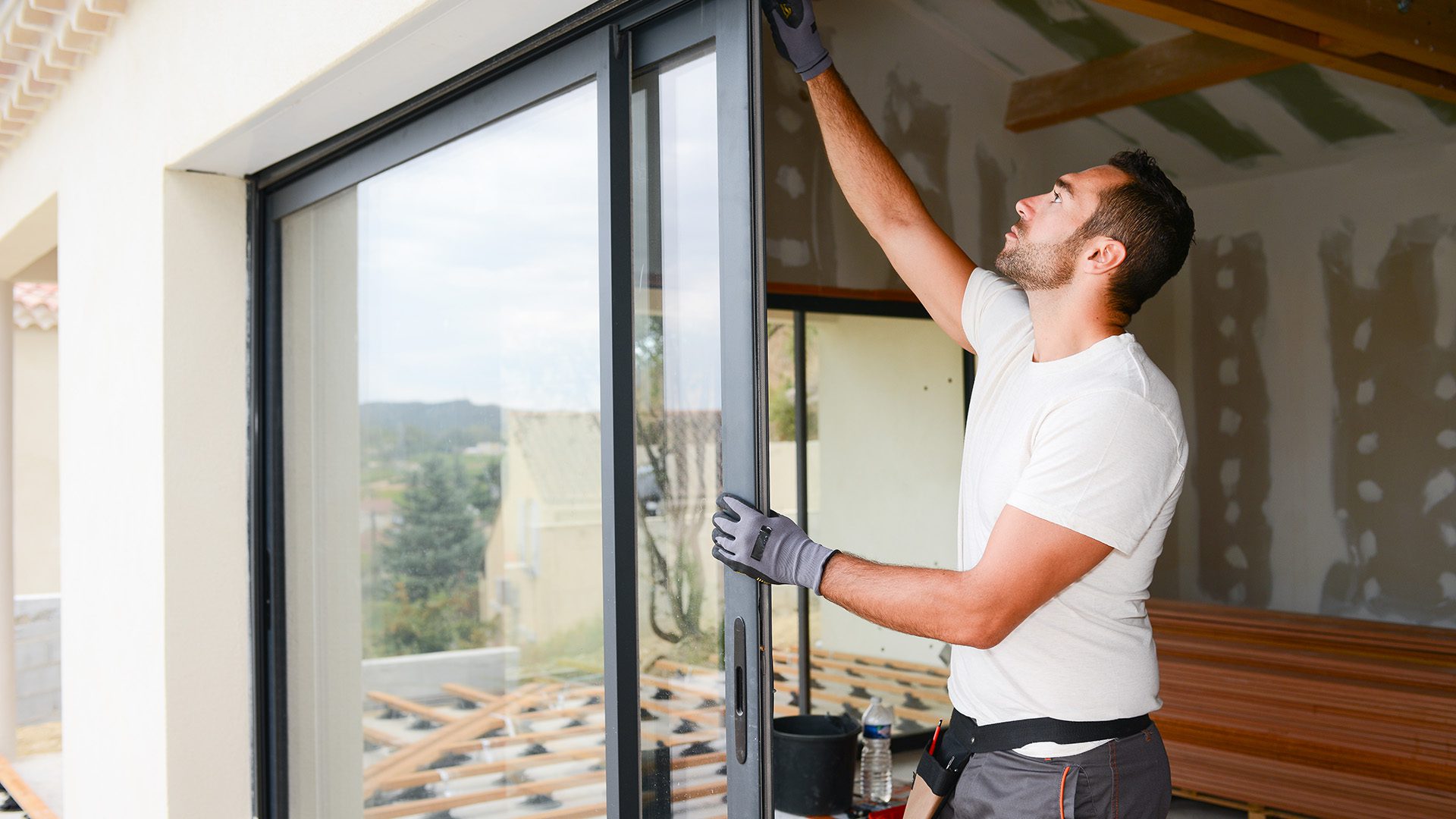
Energy efficient windows are designed to reduce heat transfer between the interior and exterior of a home. They typically feature multiple panes of glass, low-emissivity (Low-E) coatings, gas fills like argon or krypton, and high-quality frames that improve insulation. These features help maintain a consistent indoor temperature, reduce reliance on heating and cooling systems, and can potentially lower energy bills.
Types of Energy Efficient Windows
There are several options for energy efficient windows, including double-pane and triple-pane designs. Double-pane windows have two layers of glass with an air or gas-filled space between them, while triple-pane windows add an extra layer for enhanced insulation. Low-E coatings reflect infrared energy, helping to keep homes warmer in winter and cooler in summer. The frame materials—vinyl, wood, fiberglass, or composite—also impact overall energy performance.
Energy Performance Ratings
Windows are rated based on metrics such as U-factor, Solar Heat Gain Coefficient (SHGC), and Visible Transmittance (VT). The U-factor measures how well a window insulates, with lower numbers indicating better insulation. SHGC indicates how much solar radiation is blocked, which affects cooling costs in warmer climates. VT measures the amount of visible light that passes through the glass, which can influence lighting and heating needs inside the home.
Costs of Energy Efficient Windows
The cost of energy efficient windows varies widely depending on materials, size, brand, and installation. On average, homeowners can expect:
- Basic double-pane vinyl windows: $300–$700 per window
- Mid-range double-pane windows with Low-E coatings: $500–$900 per window
- Triple-pane or premium energy-efficient windows: $800–$1,500+ per window
Installation costs typically add $100–$300 per window, depending on the complexity of the project and labor rates in your area. Replacing all windows in a home can become a significant investment, often ranging from $5,000 to $20,000 or more.
Factors Affecting Costs
Several factors influence the overall cost, including:
- Window size and style (casement, sliding, bay windows)
- Material choice (vinyl tends to be more affordable than wood or fiberglass)
- Brand and warranty options
- Installation complexity, such as custom sizing or difficult access
Understanding these factors can help homeowners budget appropriately and choose windows that balance performance and cost.
Potential Savings and Benefits
Energy efficient windows can reduce heating and cooling costs by minimizing heat loss in winter and heat gain in summer. While savings vary depending on climate, home size, and energy rates, homeowners might see reductions of 10–25% in heating and cooling bills.
Additional benefits include:
- Improved indoor comfort with fewer drafts and temperature fluctuations
- Reduced exterior noise, especially with double or triple-pane options
- Increased home value due to energy efficiency improvements
- Potential eligibility for tax credits or utility rebates in some regions
It is important to note that savings accumulate over time, and initial costs may take several years to offset.
Realistic Expectations
While energy efficient windows contribute to lower energy costs, they are not a cure-all solution. Home insulation, HVAC system efficiency, and window placement also play key roles in overall energy performance. Using energy efficient windows in conjunction with other upgrades, such as adding insulation or sealing air leaks, maximizes long-term benefits.
Maintenance and Longevity
Proper maintenance extends the lifespan and performance of energy efficient windows. Cleaning frames and glass, checking seals for damage, and repairing or replacing weatherstripping when necessary helps maintain efficiency. On average, high-quality windows last 20–30 years, depending on materials and local climate conditions.
Conclusion: Are They Worth It?
The decision to invest in energy efficient windows depends on your priorities, budget, and long-term plans for your home. While upfront costs can be substantial, the potential savings on energy bills, improved comfort, and increased property value often make them a worthwhile consideration. Evaluating your home’s specific needs, comparing products and installation options, and setting realistic expectations can help you make a well-informed decision.