Trailer Home Windows Replacement Costs & Options (2026 Guide)
Replacing windows in a trailer home can improve comfort and energy efficiency while reducing maintenance costs. Because trailer homes have unique construction, window selection, installation methods, and pricing differ from traditional houses. This guide outlines key considerations, common window types, and typical U.S. cost ranges to help homeowners make informed replacement decisions.
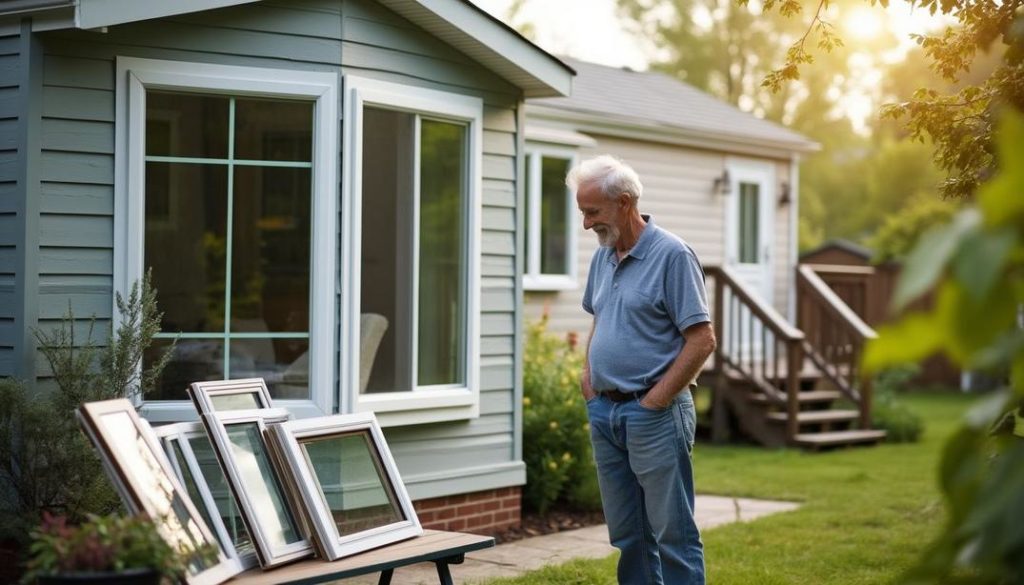
Understanding Trailer Home Window Construction
Trailer homes, also referred to as mobile homes or manufactured homes, are built differently from conventional houses. Their walls are generally thinner, and window openings are often standardized according to manufacturing specifications.
Most older trailer homes were equipped with single-pane aluminum windows. While functional, these windows tend to allow heat loss, air leakage, and moisture buildup over time. Newer models may include double-pane or vinyl-framed windows, but replacement is still common as homes age.
Trailer home windows replacement often requires attention to precise measurements, as even small size differences can complicate installation. Unlike standard residential windows, mobile home windows are typically designed to fit exact openings rather than allowing structural adjustments.
Common Reasons for Replacing Trailer Home Windows
Many homeowners begin researching trailer home windows replacement due to comfort or efficiency concerns rather than aesthetics alone.
Drafts and temperature fluctuations are common complaints, especially in regions with hot summers or cold winters. Poor insulation around older windows can lead to higher heating and cooling costs throughout the year.
Condensation between glass panes or water intrusion during rainstorms may indicate seal failure or frame deterioration. Over time, moisture issues can affect surrounding walls and interior finishes.
Noise reduction is another factor. Updated window designs can help limit outside noise, which is particularly relevant for homes located near roads or shared communities.
Window Types Suitable for Trailer Homes
Several window styles are commonly used in trailer home windows replacement projects. Selection usually depends on climate, budget, and personal preferences.
Vinyl Frame Windows
Vinyl windows are frequently chosen due to their resistance to moisture and relatively low maintenance needs. They can provide improved insulation compared to older aluminum frames and are available in multiple glazing options.
Aluminum Frame Windows
While less energy-efficient than vinyl, aluminum windows are still used in some cases due to their lighter weight and compatibility with older trailer home designs.
Single-Pane vs Double-Pane Glass
Single-pane windows are generally less expensive upfront but provide limited insulation. Double-pane windows, which include an air or gas-filled space between glass layers, can help reduce heat transfer and improve indoor comfort.
Energy-efficient glass options may include low-emissivity coatings designed to reflect heat while allowing natural light.
Approximate Cost of Trailer Home Windows Replacement
Costs for trailer home windows replacement in the U.S. can vary based on several factors. On average, homeowners may encounter the following ranges:
Window materials and glass type typically range from approximately $200 to $800 per window. Installation costs may add another $150 to $400 per unit, depending on labor rates and site conditions.
Total project costs depend on the number of windows being replaced, accessibility, and whether additional repairs are required. Homes with older framing or water damage may require preparatory work, which can influence overall expenses.
These figures are approximate and intended for general planning rather than exact budgeting.
Installation Considerations and Limitations
Proper installation is essential for performance and durability. Trailer home windows replacement often differs from standard residential installation due to thinner wall systems and integrated window flanges.
Accurate measurement is critical, as resizing openings is not always feasible. Many replacement windows designed for mobile homes are intended to be installed from the exterior using screw flanges that attach directly to the wall structure.
Weather sealing, insulation, and moisture barriers play a key role in preventing future problems. Improper installation can lead to air leakage or water intrusion, even with high-quality windows.
Permits, Codes, and Energy Standards
In some regions, trailer home windows replacement may be subject to local building codes or community regulations. Manufactured homes are often required to meet HUD standards, especially if structural modifications are involved.
Energy efficiency guidelines may vary by state or climate zone. Homeowners researching replacement options often review ENERGY STAR criteria or similar benchmarks to understand potential efficiency improvements.
Checking local requirements before starting a project helps avoid compliance issues or delays.
Maintenance and Long-Term Performance
After replacement, regular inspection and basic maintenance can extend window lifespan. Cleaning tracks, checking seals, and monitoring for condensation can help identify issues early.
Modern replacement windows generally require less upkeep than older models, particularly when vinyl frames and updated glazing systems are used.
Over time, improved insulation and reduced air leakage may contribute to more stable indoor temperatures and lower seasonal energy usage.
Is Trailer Home Windows Replacement Worth Considering?
For many homeowners, trailer home windows replacement is considered when balancing comfort, efficiency, and long-term maintenance. While it involves an upfront investment, the potential benefits often include improved indoor conditions and reduced energy loss.
Evaluating window condition, climate factors, and budget constraints helps determine whether replacement aligns with current housing goals. Gathering information, comparing window specifications, and understanding installation requirements are essential steps in the decision process.