Forklift Leasing Companies Near You: Costs and Deals Compared
This article explains how forklift leasing companies near you operate in the U.S. market, focusing on costs, lease structures, and key factors that influence pricing. It addresses common user concerns such as whether leasing is more practical than buying, what monthly lease ranges typically look like, and how maintenance and service responsibilities are handled. The content helps readers understand differences between short-term and long-term leases, how location and usage hours affect costs, and what to review when comparing local leasing providers. By breaking down contract terms, service coverage, and common use cases, the article supports informed decision-making without promoting specific companies or guaranteeing outcomes. It is designed for businesses seeking clarity before contacting forklift leasing providers.
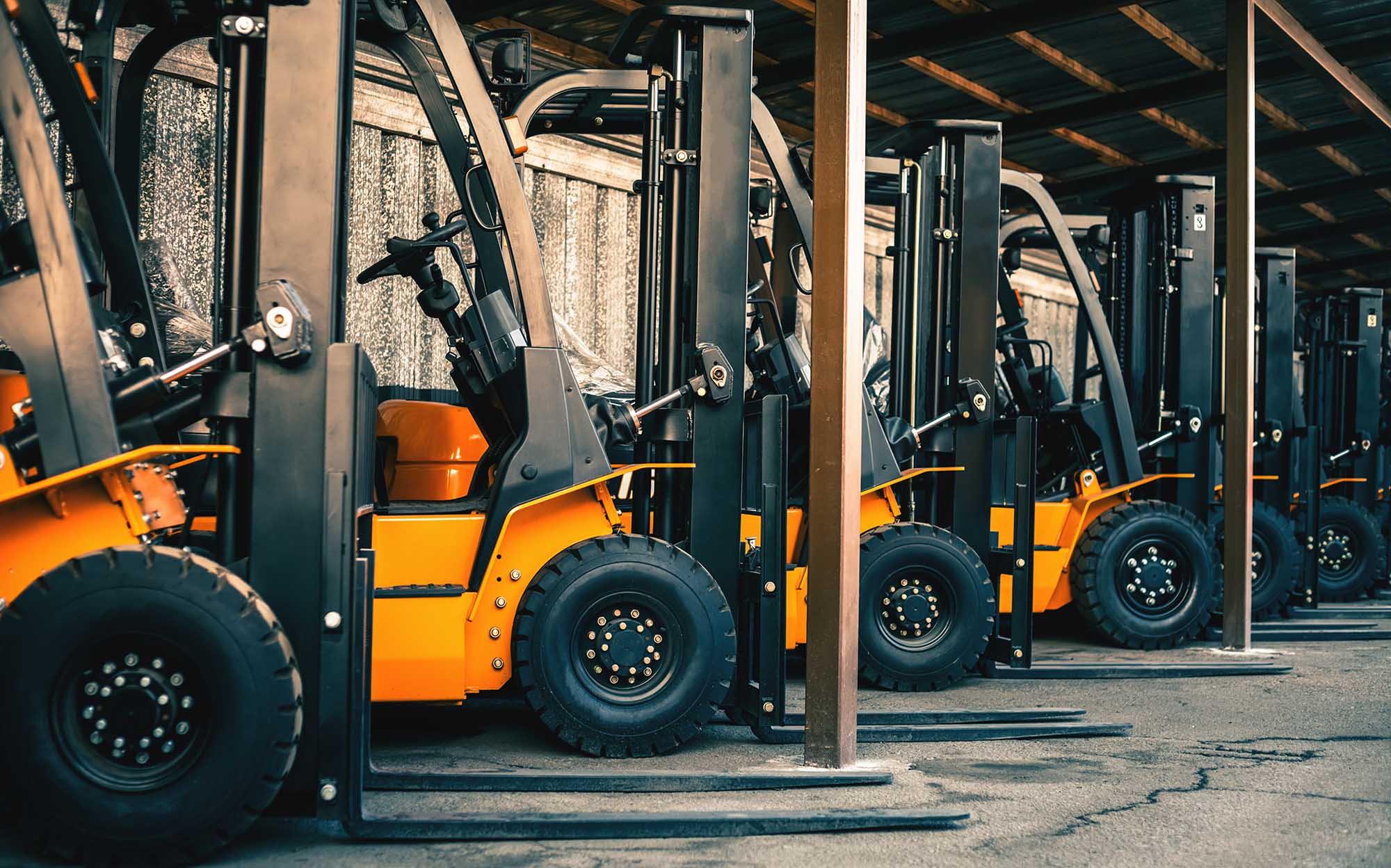
What Is Forklift Leasing and How Does It Work?
Forklift leasing allows businesses to use material handling equipment for a fixed period in exchange for monthly payments. Instead of paying the full purchase price upfront, companies spread costs over time, often preserving cash flow and improving budgeting predictability.
Leasing agreements in the U.S. generally fall into short-term and long-term categories. Short-term leases may last from a few days to several months, while long-term leases often range from one to five years. The structure depends on usage intensity, project duration, and operational needs.
Forklift leasing companies near you usually offer a selection of equipment types, including electric forklifts, propane models, diesel forklifts, reach trucks, and pallet jacks. Availability varies by region, which is why many users prioritize local providers.
Typical Costs of Forklift Leasing in the United States
One of the first questions users ask is how much forklift leasing costs. Pricing can vary widely depending on equipment type, load capacity, lease length, and included services.
For basic electric forklifts, monthly leasing costs often fall within a range of approximately $250 to $600. Larger internal combustion forklifts used outdoors may range from about $400 to $1,200 per month. Short-term rentals are usually priced higher per day or week compared to long-term leases.
Additional cost factors may include delivery fees, fuel type, operator training requirements, and optional attachments. Some forklift leasing companies near you bundle maintenance and servicing into the lease, while others charge separately.
What Affects Forklift Lease Pricing the Most?
Lease pricing is influenced by more than just the forklift itself. Usage hours play a major role, as higher usage typically increases wear and maintenance costs. Lease agreements often specify hourly limits, with additional charges for exceeding them.
Location also matters. Urban and industrial hubs may have more competition among forklift leasing companies near you, which can impact pricing flexibility. In contrast, rural areas may have fewer providers and less inventory availability.
Contract length significantly affects monthly payments. Longer leases generally result in lower monthly costs, while short-term flexibility comes at a premium. Understanding these trade-offs helps users align leasing decisions with operational realities.
Comparing Local Forklift Leasing Companies
When evaluating forklift leasing companies near you, most users look beyond just price. Reliability, service response time, and equipment condition often matter just as much.
Local providers typically offer faster delivery and quicker on-site service compared to national providers with centralized fleets. This can be valuable when downtime directly affects productivity. Some national companies, however, may offer broader equipment selection or standardized lease terms across multiple locations.
Many users compare leasing companies by reviewing contract transparency, maintenance coverage, replacement policies, and customer support availability. These factors often influence long-term satisfaction more than initial pricing alone.
Maintenance, Repairs, and Service Responsibilities
Maintenance responsibilities vary by lease agreement. Many forklift leasing companies near you include routine maintenance, inspections, and standard repairs as part of the monthly fee. This reduces unexpected expenses and simplifies equipment management.
However, some leases exclude damage caused by misuse or accidents, which may result in additional charges. Understanding what is considered normal wear versus billable damage is an important step before signing a lease.
Service response time is another key concern. Businesses often ask how quickly technicians can be dispatched and whether replacement equipment is available if repairs take longer than expected.
Leasing vs Buying a Forklift: Key Considerations
A common question is whether leasing or buying is more cost-effective. Leasing is often favored by businesses with fluctuating demand, limited capital budgets, or short-term operational needs.
Buying may make sense for companies with stable, long-term usage and in-house maintenance capabilities. However, ownership also comes with depreciation, resale uncertainty, and higher upfront costs.
Forklift leasing companies near you often provide consultations to help businesses assess usage patterns and determine whether leasing aligns with their operational strategy.
Contract Terms and What to Look For
Lease contracts typically outline duration, payment structure, usage limits, maintenance coverage, and end-of-lease options. Some agreements allow upgrades or equipment swaps if operational needs change.
End-of-lease terms vary. Options may include returning the forklift, renewing the lease, or purchasing the equipment at an agreed-upon residual value. Understanding these options in advance helps avoid surprises.
Clear contract language and transparent pricing are especially important when comparing forklift leasing companies near you, as terms can differ significantly between providers.
Who Benefits Most from Forklift Leasing?
Forklift leasing is commonly used by warehouses, distribution centers, manufacturing facilities, construction sites, and retail operations with backroom logistics needs. Seasonal businesses often rely on leasing to handle peak demand without long-term commitments.
Startups and growing companies may also choose leasing to preserve capital while scaling operations gradually. Leasing provides access to newer equipment without the financial burden of ownership.
For many users, the appeal lies in flexibility, predictable costs, and access to professional maintenance support.
How to Start Comparing Forklift Leasing Options Near You
Most users begin by identifying operational requirements such as lift capacity, indoor or outdoor use, and expected usage hours. With these details, contacting multiple forklift leasing companies near you allows for meaningful comparisons.
Requesting written quotes, clarifying what services are included, and reviewing contract terms carefully can help users make informed decisions. While pricing matters, service quality and reliability often determine long-term value.
Understanding leasing basics empowers businesses to choose equipment solutions that support productivity without unnecessary financial strain.