How Much Does Commercial HVAC Installation Really Cost in 2026?
Installing a commercial HVAC system is a significant investment for any business. Understanding the costs involved in 2026 can help organizations plan their budgets and make informed decisions. Commercial HVAC installation costs vary depending on system type, building size, energy efficiency requirements, and additional features such as smart controls or zoning systems.
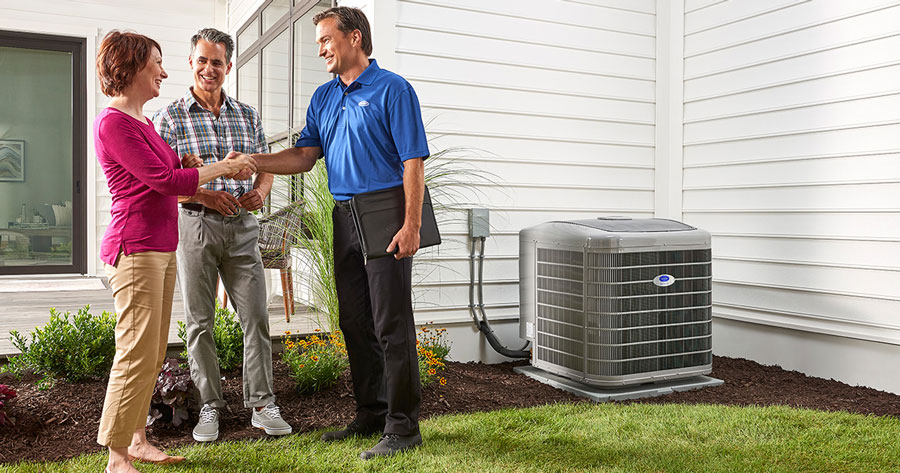
Factors That Influence Commercial HVAC Costs
Several factors determine the final cost of installing a commercial HVAC system. One of the most important is the size and layout of the building. Larger spaces generally require more extensive ductwork, higher-capacity units, and more labor, all of which contribute to higher expenses.
System type also plays a crucial role. Options include packaged systems, split systems, rooftop units, and VRF/VRV systems. Each type has unique installation requirements, efficiency levels, and maintenance considerations. While some systems may have lower upfront costs, they may incur higher operating expenses over time.
Energy efficiency standards are increasingly important in 2026. Businesses often aim to meet or exceed local codes and sustainability goals. High-efficiency systems can reduce long-term energy bills but may require higher initial investment. Similarly, smart controls, zoning, and other modern features may increase installation costs but provide better comfort and operational flexibility.
Average Cost Ranges for Commercial HVAC Installation
Commercial HVAC installation costs can vary widely. For small to mid-sized offices, installation typically ranges from $15,000 to $50,000. Larger facilities, such as warehouses, retail spaces, or multi-story office buildings, may see costs ranging from $50,000 to $200,000 or more, depending on complexity and required capacity.
Labor costs are a significant part of the total expense. Licensed HVAC contractors in the U.S. charge between $50 to $150 per hour, depending on experience, location, and project complexity. Permits and inspections may add additional costs, generally $500 to $2,000.
Equipment selection also impacts the budget. High-efficiency or specialized systems often cost more upfront. For example, a VRF system may cost $30,000 to $100,000 for a medium-sized building, while a standard rooftop unit might fall within $10,000 to $40,000.
Installation Process Overview
A typical commercial HVAC installation involves several stages. First, contractors assess the building layout and determine system requirements. This may include load calculations to ensure proper capacity and energy efficiency.
Next, ductwork, piping, and electrical connections are installed. This stage can be time-consuming, especially for older buildings that require upgrades or modifications to accommodate modern HVAC systems. Equipment installation follows, including indoor units, condensers, or rooftop units, along with any necessary controls or smart features.
Finally, the system undergoes testing and commissioning to ensure it operates correctly. Technicians check airflow, refrigerant levels, thermostat operation, and safety controls. Proper commissioning helps maximize efficiency and longevity while minimizing potential issues.
Common Challenges and Considerations
Businesses often encounter challenges during HVAC installation. Older buildings may require structural modifications or electrical upgrades. Coordinating installation with ongoing business operations can also be complex, requiring phased work or temporary solutions to minimize disruption.
Maintenance and long-term costs are another consideration. While installation costs are important, ongoing expenses such as filter replacement, annual inspections, and emergency repairs should be factored into budgeting. Many businesses also evaluate the availability of local contractors and service agreements to ensure reliable support.
Tips for Managing Costs
Understanding the factors that influence commercial HVAC costs can help businesses manage their budgets. Requesting multiple quotes from licensed contractors allows organizations to compare costs and services. Prioritizing energy efficiency can reduce long-term expenses, even if upfront costs are higher.
Phased installation or combining HVAC upgrades with other building improvements can sometimes offer cost savings. Additionally, exploring financing options or utility incentives for energy-efficient equipment may reduce the financial burden. Planning ahead and clearly defining project requirements helps avoid unexpected expenses.
Summary
Commercial HVAC installation costs in 2026 are influenced by building size, system type, energy efficiency requirements, and additional features. For small to mid-sized offices, expect costs around $15,000 to $50,000, while larger facilities may range from $50,000 to $200,000 or more.
Careful planning, understanding system requirements, and working with licensed contractors are essential for managing costs and ensuring a reliable HVAC system. Considering both upfront and long-term expenses allows businesses to make informed decisions that balance comfort, efficiency, and budget.