Home Addition Explained: Costs, Contractors, and Planning Considerations
This article provides a clear and practical overview of home addition projects in the United States, focusing on cost considerations and the role of home addition contractors. It explains what a home addition is, why homeowners consider expanding their living space, and the most common types of additions, including room additions, second-story additions, bump-outs, and garage conversions. Readers will find a structured explanation of the key factors that influence home addition cost, such as project size, design complexity, location, materials, and labor. Approximate cost ranges are included to help set realistic expectations before speaking with contractors. The article also outlines what home addition contractors typically handle, how cost estimates are prepared, and how homeowners can prepare for the planning and construction process. The goal is to help readers understand their options and make informed decisions without promoting specific services.
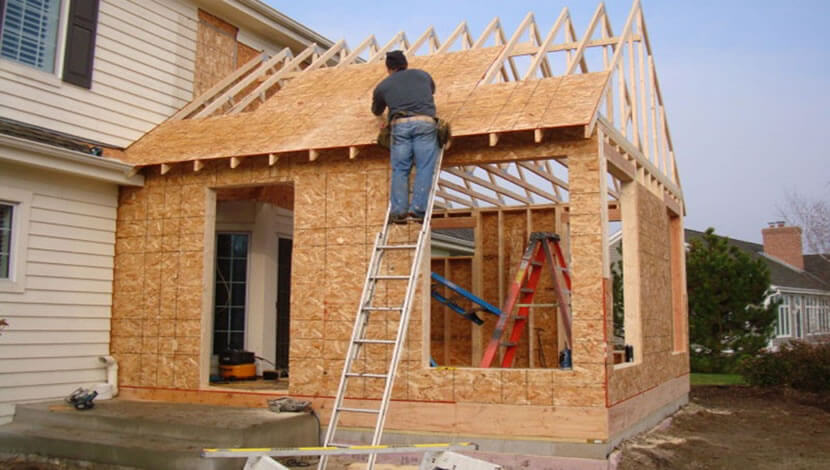
What Is a Home Addition and Why Homeowners Consider It
A home addition refers to expanding the existing structure of a house, either outward or upward, to create additional usable space. This can include adding a new room, extending an existing area, or building an additional story.
Many homeowners consider a home addition when their current space no longer fits daily needs, yet the location and overall condition of the home remain suitable. Compared with purchasing a new property, a home addition allows homeowners to adapt their living environment while staying in a familiar neighborhood.
Common Types of Home Addition in the U.S.
Different types of home addition projects serve different functional goals, and each type comes with distinct planning and cost considerations.
Room Additions
Room additions involve building a fully enclosed new space, such as a bedroom, bathroom, or family room. This type of home addition usually requires new foundations, roofing, and connections to electrical and plumbing systems, all of which influence home addition cost.
Second-Story Additions
A second-story home addition increases living space vertically. This option is often considered when property size limits outward expansion. Structural assessments are typically required, and home addition contractors must evaluate whether the existing foundation can support the additional load.
Bump-Out Additions
A bump-out addition expands a limited portion of an existing room, such as extending a kitchen or bathroom wall. While smaller in scale, a bump-out home addition still involves permits and professional construction, though the cost is usually lower than that of full room additions.
Garage Conversions and Extensions
Some homeowners choose to convert or extend an attached garage into living space. This type of home addition may reduce structural work, but insulation, ventilation, and zoning regulations still play an important role in planning and cost estimation.
Key Factors That Influence Home Addition Cost
Home addition cost in the United States varies widely because each project is influenced by multiple factors rather than a single fixed rate.
Size and Square Footage
Larger additions generally require more materials and labor. Home addition cost is often discussed in terms of price per square foot, although this is only a starting point and does not reflect all project details.
Design Complexity and Structural Changes
Projects that involve modifying load-bearing walls, altering rooflines, or reinforcing foundations typically increase overall cost. Architectural design and engineering services may also be required in these cases.
Location and Local Regulations
Local building codes, permit requirements, and inspection processes affect both cost and timeline. In some areas, labor rates and material availability can further influence home addition cost.
Material Choices and Finishes
Material selection has a noticeable impact on cost. Standard finishes generally keep expenses within a moderate range, while customized or higher-grade materials increase the budget.
Labor and Contractor Experience
Experienced home addition contractors may charge higher rates, but their familiarity with permitting processes and construction sequencing can help reduce delays and unexpected adjustments.
Typical Home Addition Cost Ranges in the United States
While exact pricing depends on individual circumstances, reviewing typical cost ranges can help homeowners form realistic expectations before speaking with home addition contractors.
The following table summarizes approximate home addition cost ranges commonly seen in the U.S. market. These figures are provided for general understanding and may vary by location, design, and material choices.
These ranges typically include labor and basic construction costs but may not cover design services, permit fees, or higher-end finishes. A detailed evaluation by home addition contractors is necessary to develop a project-specific estimate.
The Role of Home Addition Contractors
Home addition contractors are responsible for coordinating multiple aspects of the project, from planning to completion.
What Home Addition Contractors Typically Handle
Contractors often manage construction schedules, subcontractors, material sourcing, and on-site supervision. They may also help coordinate inspections and ensure the project aligns with local building requirements.
Licensing, Insurance, and Permits
In most U.S. states, home addition contractors are required to hold appropriate licenses and insurance. Permits are usually necessary for structural changes, electrical systems, plumbing, and other regulated components of a home addition.
How Contractors Estimate Project Costs
Cost estimates are typically based on scope, materials, labor, and potential contingencies. Clear, itemized estimates help homeowners understand how home addition cost is distributed across different phases of the project.
How to Prepare Before Contacting Home Addition Contractors
Before reaching out to contractors, homeowners benefit from clarifying their goals, functional needs, and approximate budget range. Having a general understanding of home addition cost factors makes early discussions more productive and realistic.
Collecting reference photos or basic layout ideas can also help communicate expectations more clearly.
Planning, Timeline, and Expectations During Construction
A home addition project usually progresses through design, permitting, construction, and inspection stages. Timelines vary depending on project complexity and local approval processes.
During construction, some disruption to daily routines is common, so planning for temporary adjustments can reduce stress.
Long-Term Considerations: Value, Maintenance, and Flexibility
A thoughtfully planned home addition can improve daily usability and long-term flexibility. While resale value may be influenced positively, results depend on design quality, neighborhood context, and market conditions.
Maintenance requirements may also increase, especially for additions involving roofing, exterior finishes, or mechanical systems.
Is a Home Addition the Right Choice for Your Situation?
A home addition represents a significant commitment of time and resources. By understanding home addition cost ranges, working with qualified home addition contractors, and planning with long-term needs in mind, homeowners can approach the decision with greater clarity and confidence.