How to Plan a Smart Home Renovation on Any Budget
Smart home renovation has become an increasingly important part of modern Home Improvement in the United States. As homeowners look for ways to improve comfort, safety, and energy efficiency, smart technology is no longer viewed as a luxury add-on, but as a practical upgrade that enhances how a home functions on a daily basis. Unlike traditional renovations that focus mainly on appearance or structural repairs, smart home renovation emphasizes intelligent systems that can be automated, monitored, and controlled remotely. This article explains what smart home renovation is, what it typically includes, and how different budget levels can shape renovation decisions.
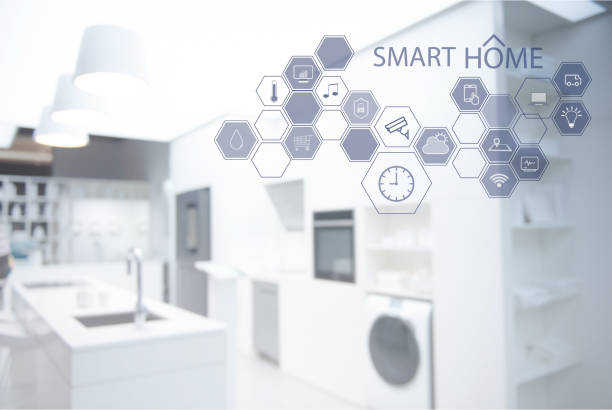
What Is Smart Home Renovation and What Does It Include?
Smart home renovation refers to the process of upgrading a home by integrating smart technologies into existing or newly renovated spaces. These technologies allow homeowners to automate routines, improve efficiency, and gain better control over their living environment.
From a Home Improvement perspective, smart home renovation focuses on functionality and long-term usability rather than short-term visual changes alone.
Common Areas Included in Smart Home Renovation
Smart Lighting Systems Smart lighting is one of the most common components of smart home renovation. It includes smart switches, dimmers, and app-controlled lights that can be scheduled or adjusted based on occupancy and time of day. These systems improve convenience while helping reduce unnecessary energy usage.
Smart Security and Access Control Security upgrades are a major reason homeowners invest in smart home renovation. Common solutions include smart door locks, video doorbells, security cameras, and door or window sensors. These systems provide real-time monitoring and remote access, improving overall home safety.
Smart HVAC and Climate Control Heating and cooling systems are a significant part of household energy consumption. Smart thermostats and zoning systems allow homeowners to optimize indoor temperatures based on habits and occupancy, making this a valuable Home Improvement upgrade.
Smart Curtains and Window Treatments Motorized curtains or blinds can be automated based on sunlight, temperature, or preset schedules. In addition to convenience, they support energy efficiency by helping regulate indoor temperatures.
Smart Appliances Integration Many modern Home Improvement projects now include smart kitchen and laundry appliances. These devices offer remote monitoring, usage alerts, and energy management features that improve daily efficiency.
Central Control and Automation Platforms A well-planned smart home renovation connects multiple systems through a central platform. This integration allows lighting, climate, security, and entertainment systems to work together instead of operating as isolated devices.
Smart Home Renovation by Budget Level
The cost of smart home renovation varies widely depending on the size of the home, system complexity, and level of automation. Below are common budget-based renovation examples for the U.S. market. Actual costs are approximate and may vary by location and provider.
Entry-Level Smart Home Renovation
Approximate budget: USD 1,500–4,000
This level is suitable for homeowners who want to begin exploring smart home renovation with minimal investment.
Typical upgrades include:
- Smart lighting in main living areas
- Smart door locks
- Video doorbells
- Basic voice control integration
This approach delivers noticeable improvements in convenience and security and is often used in apartments or smaller homes as a starter Home Improvement project.
Mid-Range Smart Home Renovation
Approximate budget: USD 5,000–15,000
Mid-range smart home renovation is the most common option for single-family homes and long-term homeowners.
Typical upgrades include:
- Whole-home smart lighting zones
- Integrated security systems with cameras and sensors
- Smart thermostats and climate control
- Automated curtains or blinds
- Wi-Fi or network infrastructure upgrades
This level offers a balanced combination of comfort, automation, and energy efficiency and represents a strong value-driven Home Improvement investment.
High-End Smart Home Renovation
Approximate budget: USD 20,000 and above
High-end projects focus on full automation and advanced system integration.
Typical upgrades include:
- Centralized smart home control platforms
- Whole-home audio and entertainment systems
- Energy management systems and solar integration
- Advanced security monitoring
- Customized automation scenes
These renovations are common in large homes or luxury properties and can significantly enhance property appeal and long-term Home Improvement value.
Summary: Is Smart Home Renovation Worth It?
Smart home renovation represents a forward-looking approach to Home Improvement that prioritizes comfort, efficiency, and adaptability. Rather than simply adding smart devices, successful renovation projects focus on creating an integrated system that supports daily living.
The value of smart home renovation depends on careful planning, realistic budgeting, and choosing solutions that match actual lifestyle needs. Even entry-level upgrades can improve convenience and security, while more comprehensive renovations can enhance energy efficiency and long-term property value.
As smart technology continues to evolve, smart home renovation is likely to remain an important part of modern Home Improvement strategies in the United States. Homeowners who plan thoughtfully and invest incrementally often achieve the most sustainable and cost-effective results.