How Interior Paint Color Choices Can Transform Your Home Improvement Results
Interior paint color is one of the most influential and cost-effective elements in any Home Improvement project. Whether homeowners are refreshing a single room or planning a full interior renovation, the right interior paint color can dramatically transform how a space looks, feels, and functions. In recent years, interior paint color trends have shifted toward comfort, versatility, and long-term value, making paint selection a key decision in modern Home Improvement planning.From enhancing natural light to increasing resale appeal, interior paint color plays a central role in shaping interior environments across American homes.
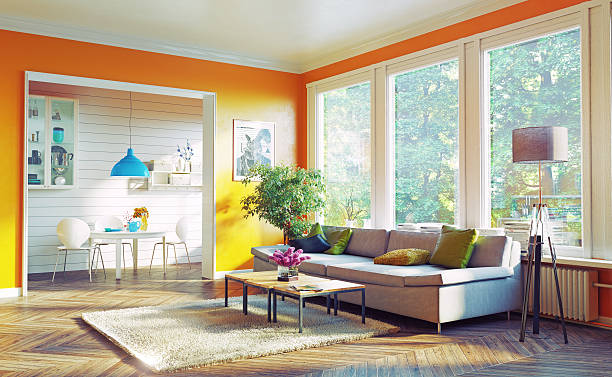
Why Interior Paint Color Is Essential in Home Improvement
Interior paint color is more than a decorative choice; it is a foundational component of effective Home Improvement. Thoughtful color selection can:
- Influence mood and emotional comfort
- Improve perceived room size and brightness
- Create visual cohesion between rooms
- Complement furniture, flooring, and architectural details
- Increase overall property appeal and usability
Compared with major renovations, updating interior paint color offers a high visual return with relatively controlled costs, which is why it remains one of the most popular Home Improvement upgrades in the United States.
Recent Interior Paint Color Trends in Home Improvement
Interior paint color trends evolve gradually, reflecting lifestyle changes, design preferences, and cultural influences. In recent years, the following interior paint color trends have become especially prominent in Home Improvement projects:
Earthy and Warm Neutrals
Warm neutrals such as beige, taupe, and greige continue to dominate interior paint color choices. These tones provide flexibility and timeless appeal, making them ideal for homeowners seeking long-term Home Improvement value.
Calming Blues and Greens
Muted blues and soft greens are widely used for bedrooms, living areas, and home offices. These interior paint colors support relaxation and balance, aligning well with wellness-focused Home Improvement trends.
Dark and Moody Accent Colors
Deep charcoal, forest green, and navy blue are increasingly applied as accent walls. This approach allows homeowners to embrace bold interior paint color trends without overwhelming the space.
Nature-Inspired Tones
Terracotta, clay, and muted earth tones reflect a growing preference for organic aesthetics. These interior paint colors pair well with wood finishes and natural textures commonly seen in modern Home Improvement designs.
Soft, Muted Pastels
Pastels with gray or warm undertones—such as dusty rose or muted lavender—offer subtle personality while maintaining sophistication, especially in bedrooms and secondary living spaces.
Where Interior Paint Color Can Be Applied in Home Improvement Projects
Interior paint color can be used throughout the home, making it one of the most versatile Home Improvement tools available.
Living Rooms and Family Spaces
Living rooms are central to daily life and entertaining, making interior paint color especially impactful.
- Light neutrals enhance openness and brightness
- Accent walls add depth and visual interest
- Consistent interior paint color choices help unify open floor plans
These areas often set the tone for the entire Home Improvement design.
Bedrooms and Guest Rooms
Interior paint color in bedrooms should support comfort and rest.
- Soft blues, greens, and warm grays remain popular
- Neutral palettes appeal to a wide range of preferences
- Guest rooms often benefit from calm, universally accepted interior paint colors
These choices align with current Home Improvement priorities focused on livability.
Kitchens and Dining Areas
Interior paint color plays both a functional and aesthetic role in kitchens.
- Light colors enhance cleanliness and brightness
- Accent colors can be applied to islands or dining walls
- Coordinated interior paint color helps connect kitchens to adjacent living areas
In Home Improvement projects, kitchen paint choices are often designed to complement cabinetry and countertops.
Bathrooms and Powder Rooms
Bathrooms offer opportunities to experiment with interior paint color.
- Light shades visually expand small spaces
- Soft greens and blues create spa-like environments
- Powder rooms frequently feature bold interior paint colors for visual impact
Moisture-resistant finishes are an important consideration in these Home Improvement applications.
Home Offices and Workspaces
With more people working remotely, home offices have become a major focus of Home Improvement.
- Muted blues and greens support focus and productivity
- Neutral tones paired with darker accents create professional environments
- Interior paint color helps define work zones within shared spaces
Hallways, Entryways, and Staircases
These transitional spaces benefit significantly from thoughtful interior paint color selection.
- Light tones prevent hallways from feeling confined
- Entryways use interior paint color to establish first impressions
- Accent trim or subtle contrasts highlight architectural details
Ceilings, Trim, and Accent Surfaces
Interior paint color is not limited to walls.
- Light-colored ceilings increase perceived height
- Trim painted in complementary tones adds structure
- Built-ins, doors, and fireplaces can be highlighted using accent colors
These applications allow homeowners to incorporate trends into Home Improvement projects with minimal disruption.
Estimated Costs for Interior Paint in Home Improvement
Understanding cost expectations is essential when planning a Home Improvement project involving interior paint color.
Paint Material Costs (Approximate)
- Standard paint: $30–$60 per gallon
- Mid-range paint with improved durability: $60–$90 per gallon
- Premium paint (low-VOC, designer lines): $90–$150+ per gallon
Professional Painting Costs
- Single room: approximately $300–$800
- Whole-house interior painting (2,000–2,500 sq ft): roughly $2,000–$6,000+
Actual costs vary depending on region, surface preparation, paint quality, and labor rates, which should be factored into Home Improvement budgeting.
Recommended Interior Paint Color Combinations
Selecting the right interior paint color combinations improves overall Home Improvement outcomes.
- Living rooms: Warm white walls with navy or charcoal accents
- Bedrooms: Sage green or muted blue with soft white trim
- Kitchens: Light gray walls with darker cabinetry accents
- Home offices: Neutral bases with focused accent walls
These combinations reflect current interior paint color trends while remaining practical and adaptable.
How to Find High-Value Interior Paint Color Options
To achieve cost efficiency in Home Improvement projects, homeowners should:
- Test interior paint color samples under different lighting conditions
- Balance price and performance by selecting reliable mid-range brands
- Watch for seasonal sales at home improvement retailers
- Consider low-VOC paints for healthier indoor environments
- Use free in-store or online color consultation services
These strategies help reduce unnecessary expenses while maximizing Home Improvement results.
Conclusion: Interior Paint Color as a Core Home Improvement Strategy
Interior paint color remains one of the most effective tools in Home Improvement. By understanding interior paint color trends, identifying appropriate applications throughout the home, managing costs, and selecting complementary palettes, homeowners can achieve meaningful visual and functional improvements.
Whether updating a single room or planning a complete interior refresh, interior paint color offers flexibility, impact, and value—making it a foundational element in successful Home Improvement projects.