How Much Does AC Furnace Replacement Really Cost?
Replacing your AC furnace can be a significant investment, but understanding the costs involved can help you make informed decisions. Whether your furnace is outdated, inefficient, or broken, knowing the expected costs for replacing it is essential for budgeting and planning. This guide will break down the factors influencing AC furnace replacement costs and provide helpful insights to navigate the process smoothly.
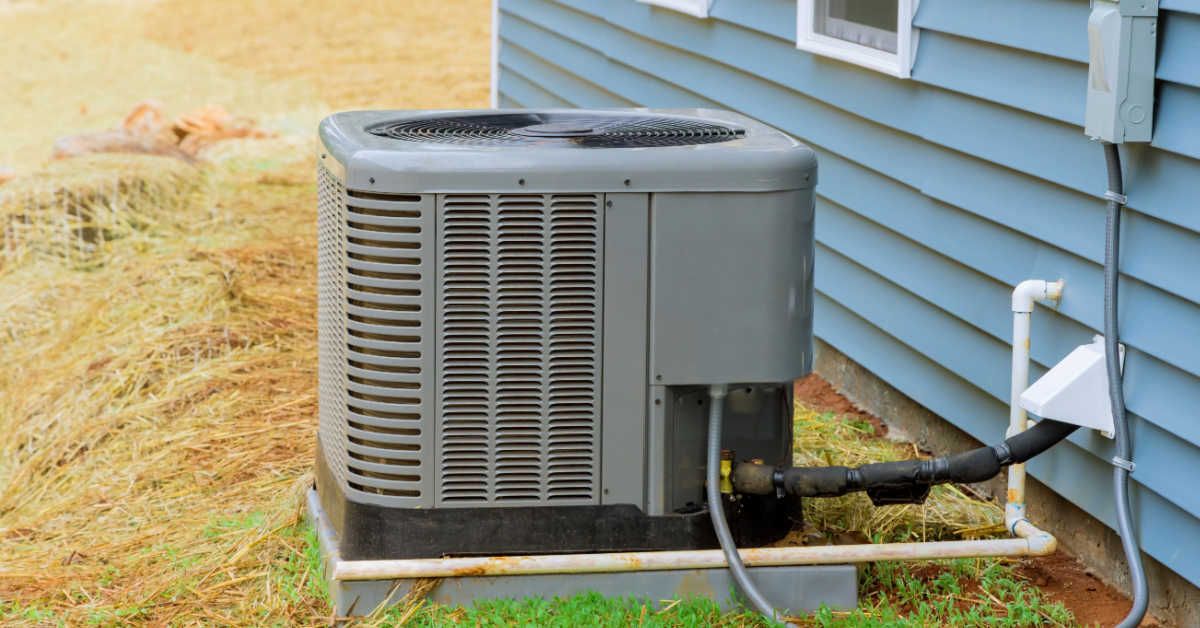
What Affects the Cost of AC Furnace Replacement?
Several factors influence the price of replacing an AC furnace. These factors range from the type and efficiency of the furnace to installation costs. Below are the key elements that determine how much you’ll pay:
1. Type of Furnace The type of furnace you choose plays a crucial role in determining the overall cost. Furnaces come in different fuel types—gas, electric, and oil—and each has varying upfront costs and operational efficiencies.
- Gas Furnaces are the most popular due to their efficiency and relatively lower operating costs.
- Electric Furnaces tend to have lower installation costs but higher operating expenses in the long run.
- Oil Furnaces are typically more expensive to install and maintain, but they are effective in colder climates.
2. Furnace Efficiency Furnace efficiency is measured by the Annual Fuel Utilization Efficiency (AFUE) rating. The higher the AFUE, the more energy-efficient the furnace.
- Standard Efficiency: AFUE between 80-85%
- High Efficiency: AFUE of 90% and above While high-efficiency models may cost more upfront, they can save you money in the long run by reducing energy consumption.
3. Installation Costs Installation costs can vary depending on the complexity of the job. Replacing a furnace typically includes labor, permits, and any required modifications to your home’s ventilation system. On average, installation can cost between $1,500 and $3,000.
4. Size of the Furnace The size of your furnace must match your home’s heating needs. Larger homes will require more powerful furnaces, which can increase both the purchase price and installation costs. An HVAC professional will calculate the necessary furnace size based on factors like square footage, insulation, and local climate conditions.
5. Additional Costs Sometimes, additional work or components may be required for the installation, such as upgrading ductwork, adding a new thermostat, or replacing old electrical wiring. These extras can add several hundred dollars to the overall cost.
Average AC Furnace Replacement Costs
Here’s a general breakdown of AC furnace replacement costs, including both the furnace and installation:
- Basic Furnace Replacement: $2,500 - $4,000 This includes a standard efficiency furnace and installation for a small to medium-sized home.
- High-Efficiency Furnace Replacement: $4,000 - $7,500 This range applies to high-efficiency models with better performance and lower energy consumption.
- Luxury Furnace Replacement: $7,500 - $12,000+ For top-of-the-line systems with advanced features like zoning, variable speed motors, and smart home integration.
How to Save on Furnace Replacement Costs
While replacing your furnace is an inevitable expense, there are ways to reduce the cost:
- Get Multiple Quotes: Always get at least three quotes from different contractors to ensure you're getting a fair price.
- Rebates and Tax Credits: Look for manufacturer rebates, local utility company incentives, or federal tax credits available for energy-efficient furnace models.
- Consider Financing: Many HVAC companies offer financing plans to spread out the cost of installation over time.
How Long Does an AC Furnace Last?
On average, a well-maintained furnace can last anywhere from 15 to 20 years. However, if your furnace is nearing the end of its lifespan, replacing it early can save you money on repairs and improve energy efficiency.
When Should You Replace Your Furnace?
If your furnace is over 15 years old and experiencing frequent breakdowns or poor heating performance, it may be time to replace it. Also, if you notice rising utility bills despite regular maintenance, it could indicate that your furnace is no longer running efficiently.
Conclusion
Replacing an AC furnace is a significant investment, but understanding the factors that affect its cost and exploring options to save can make the process more manageable. Ensure you choose a reputable HVAC contractor who can assess your needs and provide a detailed quote. Whether you're replacing a worn-out furnace or upgrading to a more energy-efficient model, proper planning can help ensure a smooth installation process.