Comprehensive Guide to Basement Crack Repair: Causes, Solutions, and Cost Estimates
Basement cracks are a common issue in many homes, often causing significant concerns for homeowners. These cracks can lead to water leakage, structural instability, and potential damage to your property. If you're dealing with basement cracks, it's crucial to understand their causes, the repair methods available, and the estimated costs involved. This comprehensive guide will help you navigate the process of basement crack repair, from identifying the problem to choosing the right repair option.
Understanding Basement Cracks: What Causes Them?
Basement cracks can develop for a variety of reasons, and understanding the underlying causes is essential for determining the most effective repair solution. Some of the most common causes include:
- Foundation Settling: Over time, the foundation of your home can settle or shift, creating cracks in the basement walls or floor. This is particularly common in homes built on expansive soils or areas prone to soil movement.
- Water Damage: Excessive water pressure against the basement walls, caused by poor drainage systems, heavy rainfall, or plumbing leaks, can cause cracks to form.
- Hydrostatic Pressure: When the ground around your foundation becomes saturated with water, it exerts pressure on the basement walls, potentially leading to cracks. This is especially problematic in basements that are below the water table.
- Temperature Changes: In regions with extreme weather fluctuations, the freeze-thaw cycle can cause the concrete to expand and contract, leading to cracks in the basement walls.
- Poor Construction: In some cases, cracks can be a result of poor construction practices, such as using low-quality materials or improper pouring of the concrete.
Types of Basement Cracks
There are various types of cracks that can appear in your basement. Some of the most common include:
- Hairline Cracks: These are small, narrow cracks often caused by the settling of your foundation or minor shifts in the concrete. While they may not seem like a major issue, they can still allow moisture to seep in over time.
- Vertical Cracks: These cracks typically occur in poured concrete walls and are often caused by settling or shifting foundations. Vertical cracks can be signs of structural movement, but they are not always a major concern if they are small.
- Horizontal Cracks: Horizontal cracks are a more serious issue, as they are often caused by hydrostatic pressure. These cracks can compromise the structural integrity of your foundation and require immediate attention.
- Stair-Step Cracks: Often found in masonry or brick foundations, stair-step cracks follow the mortar joints and can be a sign of foundation settlement or shifting.
How to Repair Basement Cracks: Solutions and Methods
Repairing basement cracks depends on the type and severity of the cracks. Here are some common methods for repairing basement cracks:
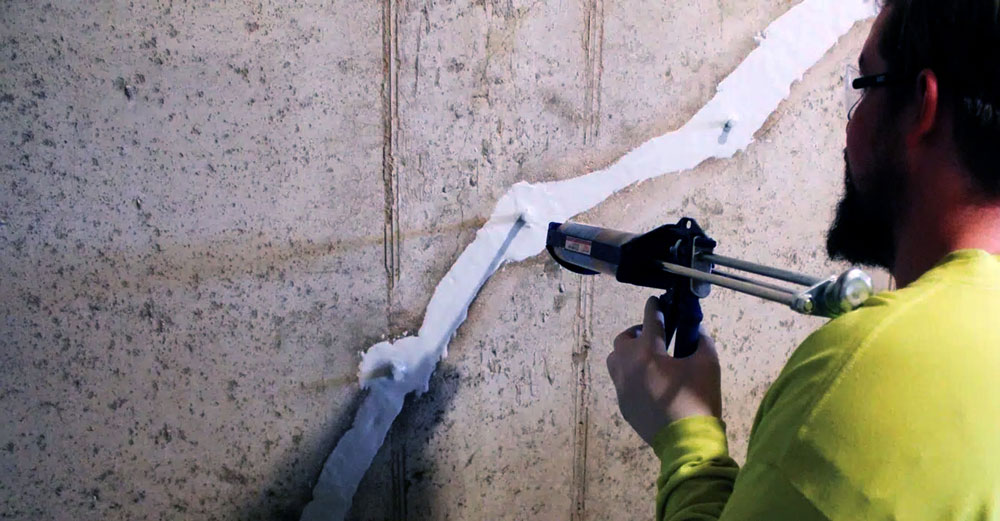
- Epoxy Injection Epoxy injections are one of the most effective methods for repairing cracks in poured concrete walls. This method involves injecting epoxy resin into the crack to fill and seal it. The epoxy hardens, creating a permanent bond that prevents water infiltration.
- Polyurethane Foam Injection Similar to epoxy injection, polyurethane foam injections are used to fill cracks and prevent water from leaking into the basement. Polyurethane foam expands when injected, filling the crack and creating a waterproof seal.
- Crack Stitching Crack stitching involves installing stainless steel bars or "stitches" into the wall to reinforce the structure and prevent further cracking. This method is typically used for more serious structural cracks and is effective in stabilizing the foundation.
- Foundation Piering For severe foundation issues, such as large, horizontal cracks, foundation piering may be necessary. This involves installing steel piers under the foundation to lift and stabilize the structure, preventing further movement and cracking.
- Waterproofing In cases where water infiltration is a major concern, basement waterproofing can help prevent future damage. This may involve installing a sump pump, improving drainage around the foundation, and applying a waterproof coating to the basement walls.
Cost of Basement Crack Repair: What to Expect
The cost of basement crack repair varies depending on the size and severity of the cracks, as well as the repair method used. Here's a general breakdown of costs:
- Epoxy Injection: The cost for epoxy injection typically ranges from $300 to $800 per crack, depending on the size and accessibility of the crack.
- Polyurethane Foam Injection: Polyurethane foam injection costs between $500 and $1,000 per crack, depending on the extent of the damage and the method used.
- Crack Stitching: This method can cost anywhere from $1,000 to $3,000, depending on the size and number of cracks that need to be repaired.
- Foundation Piering: Foundation repair with piering can be one of the most expensive options, with costs ranging from $3,000 to $10,000 or more, depending on the extent of the foundation issues.
- Waterproofing: Basement waterproofing systems can range from $2,000 to $6,000 or more, depending on the scope of the work and the materials used.
It's important to get multiple quotes from reputable contractors to ensure you are getting a fair price for your basement crack repair.
Preventing Basement Cracks: Maintenance Tips
While it may not always be possible to prevent basement cracks entirely, there are several maintenance practices that can help minimize the risk:
- Proper Drainage: Ensure that the ground around your foundation slopes away from your home, directing water away from the basement walls.
- Maintain Gutters and Downspouts: Regularly clean and maintain gutters and downspouts to prevent water from pooling around your foundation.
- Fix Plumbing Leaks: Repair any plumbing leaks promptly to prevent water from seeping into the basement.
- Control Indoor Humidity: Use a dehumidifier in your basement to keep humidity levels in check, which can prevent mold growth and reduce the chances of cracks caused by moisture.
Conclusion
Basement crack repair is a necessary part of maintaining the structural integrity of your home. Understanding the causes of cracks, the different repair methods available, and the associated costs can help you make informed decisions. While some cracks may require professional repair, others can be addressed with DIY methods. Regular maintenance and proper drainage are essential in preventing future issues. If you're unsure about the best solution for your basement cracks, consult a professional contractor to assess the situation and recommend the most effective repair options.