How to Safely Remove Black Mold and Prevent Future Growth?
Black mold (Stachybotrys chartarum) can be a significant concern for homeowners, as it can grow in damp and humid environments, particularly in areas like basements, bathrooms, and kitchens. Apart from being unsightly, black mold poses health risks, including respiratory problems, allergic reactions, and other complications, particularly for individuals with weakened immune systems. This guide will walk you through how to remove black mold effectively, safely, and prevent its recurrence.
What is Black Mold?
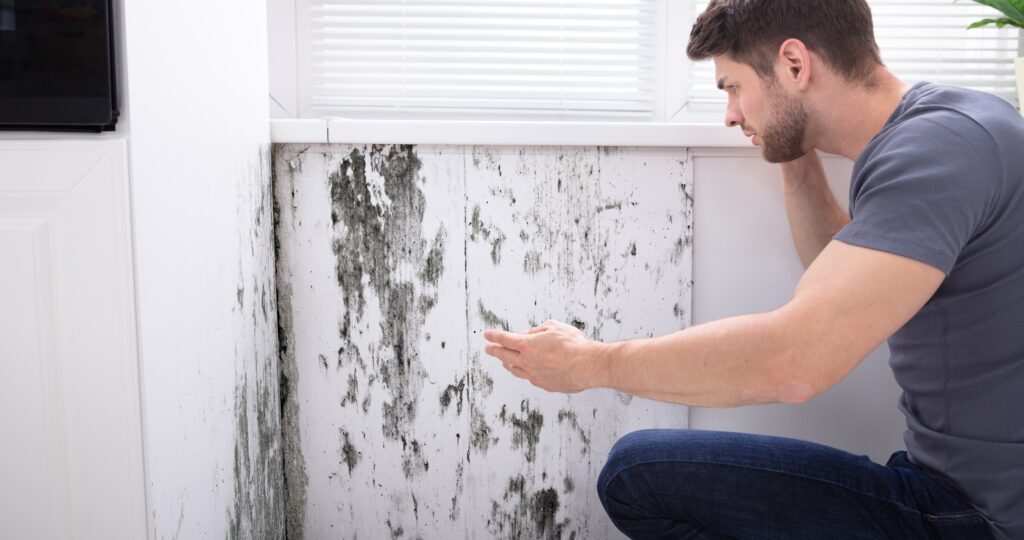
Black mold is a type of fungus that thrives in areas with high moisture levels. It appears as dark greenish-black spots and often grows in places like walls, ceilings, carpets, and even furniture. While it may seem harmless at first glance, exposure to black mold can lead to various health issues, including asthma, sinus infections, skin irritation, and fatigue. Mold removal is critical not only for maintaining a clean environment but also for safeguarding your health.
Common Causes of Black Mold Growth
Understanding why black mold develops is the first step toward effective mold removal. Some of the most common causes include:
- Leaking Pipes: Water leaks from pipes can create the perfect environment for mold to grow, especially if the area is not dried properly.
- High Humidity: Areas with excess moisture, such as bathrooms or basements, are prime spots for mold growth.
- Poor Ventilation: Lack of air circulation can cause moisture to accumulate, fostering mold development.
- Flooding: Water damage from flooding, whether from a storm or an indoor leak, can lead to mold growth if not cleaned up promptly.
By identifying the root cause of the mold issue, you can prevent future infestations.
How to Safely Remove Black Mold
Removing black mold requires the right tools, cleaning agents, and safety precautions. Here is a step-by-step guide to help you safely and effectively get rid of black mold:
Step 1: Gather Your Supplies
Before you begin the mold removal process, ensure that you have the following items:
- Protective gloves
- N95 respirator mask (to avoid inhaling mold spores)
- Goggles (to protect your eyes from mold particles)
- Mold removal cleaning solution (e.g., bleach, hydrogen peroxide, or specialized mold cleaners)
- Scrubbing brush or sponge
- Clean towels or rags
- A bucket of warm water
- Plastic sheets or plastic bags (to prevent mold spores from spreading)
Step 2: Ensure Proper Ventilation
Before starting the mold removal, ensure that the affected area is well-ventilated. Open windows and use fans to improve air circulation and reduce the risk of inhaling harmful mold spores.
Step 3: Clean the Moldy Surfaces
Using your chosen mold cleaning solution, scrub the affected areas thoroughly. For small areas, a solution of bleach and water (1 part bleach to 10 parts water) is effective. If you prefer a natural option, hydrogen peroxide or white vinegar can also be used. Apply the cleaning solution to the moldy surface, and let it sit for at least 10-15 minutes before scrubbing.
Use a brush or sponge to scrub the mold from surfaces. Be sure to clean all areas around the mold, including cracks and corners, where spores may hide.
Step 4: Dispose of Contaminated Materials
If mold has grown on porous materials like carpet, drywall, or insulation, it may not be possible to remove it completely. In such cases, it’s best to dispose of these items to prevent further mold growth. Seal contaminated materials in plastic bags and dispose of them carefully.
Step 5: Dry the Area Completely
After removing the mold, thoroughly dry the area. Mold thrives in damp conditions, so it’s crucial to eliminate any remaining moisture. Use fans, dehumidifiers, or open windows to ensure the area is completely dry.
How to Prevent Black Mold from Returning
Prevention is key to keeping your home mold-free. Here are some effective strategies to prevent black mold from growing again:
- Fix Leaks Immediately: Regularly inspect your plumbing and repair leaks as soon as they occur to prevent mold from forming.
- Control Humidity: Keep indoor humidity levels below 60% by using dehumidifiers, especially in moisture-prone areas like basements and bathrooms.
- Increase Ventilation: Open windows or use exhaust fans in high-moisture areas like kitchens and bathrooms to improve airflow.
- Regular Cleaning: Clean surfaces that are prone to mold growth, such as shower walls and window sills, regularly to prevent mold buildup.
When to Call a Professional
In some cases, mold removal can be a complex task that requires professional help. If you have a large mold infestation, mold has spread through the HVAC system, or the mold keeps returning despite your efforts, it may be time to consult a mold remediation specialist. Professionals have the expertise, equipment, and training to handle severe mold problems safely and effectively.
Conclusion
Removing black mold is essential for maintaining a healthy home environment. While DIY methods can be effective for smaller infestations, larger or recurring mold problems may require professional intervention. By understanding the causes of mold, following proper removal procedures, and taking preventive measures, you can keep your home free from black mold and ensure a safer, healthier living space.