Wedding Venue: The Ultimate Guide to Choosing Your Perfect Location
Choosing the right Wedding Venue is a crucial part of wedding planning, influencing ambiance, guest experience, and budget. This guide covers venue types, selection criteria, budgeting, working with a Wedding Planner, and coordinating Wedding Vendors Near You. It also includes advice on Wedding Dresses, Wedding Rings, and planning timelines. By following practical tips and systematic planning, couples can ensure a smooth, organized, and memorable celebration for themselves and their guests.
Why the Wedding Venue Matters
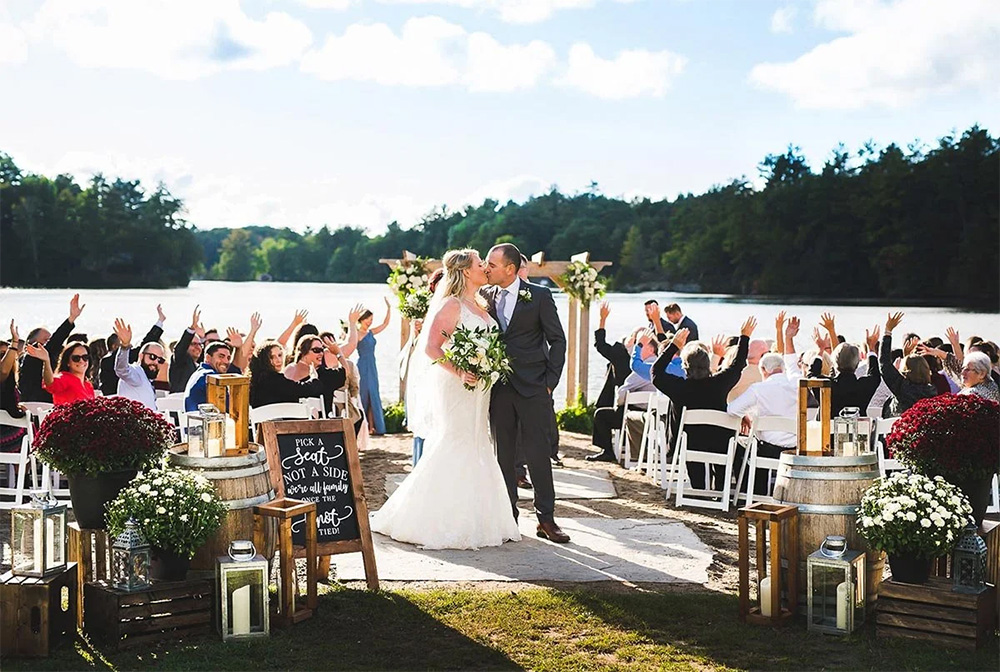
The Wedding Venue is more than just a location—it shapes the overall atmosphere of your celebration. A well-chosen venue enhances the wedding theme, ensures guest comfort, and simplifies logistics. It can also influence your budget and the selection of other vendors, such as photographers, caterers, and florists.
Key Considerations
- Ambiance: Reflects the desired theme and style of the wedding.
- Capacity: Must comfortably accommodate all guests.
- Location: Should be convenient for attendees and accessible.
- Facilities: Include necessary amenities like restrooms, parking, and AV equipment.
- Services: Some venues provide in-house catering, furniture, or decoration.
Popular Wedding Venue Types
Different couples prefer different types of venues depending on their vision, budget, and guest list.
1. Hotels and Resorts
Hotels and resorts are convenient for large weddings, often offering on-site catering, accommodations, and event coordination. They simplify logistics and are ideal for out-of-town guests.
2. Banquet Halls and Ballrooms
Banquet halls are versatile for formal weddings, offering ample space and professional staff to manage the event. They are suitable for couples seeking a traditional and structured setup.
3. Outdoor Spaces
Gardens, vineyards, beaches, and parks provide natural beauty. Outdoor venues are perfect for couples looking for a relaxed, scenic, or romantic setting. Backup options for weather are crucial.
4. Historic Estates and Mansions
Historic estates and mansions offer unique charm and exclusivity. They often have stunning architecture and picturesque grounds that make a wedding memorable.
5. Rustic and Countryside Venues
Barns, farms, and countryside venues appeal to couples seeking a casual, rustic, or themed aesthetic. They provide a cozy, intimate environment with flexible design options.
Factors to Consider When Choosing a Wedding Venue
Selecting a Wedding Venue requires careful thought. Key factors include:
Guest Capacity and Layout
Ensure the venue can accommodate your guest list comfortably and has appropriate spaces for the ceremony, reception, and other activities.
Budget Alignment
Venue costs often make up a large portion of the wedding budget. Always consider rental fees, service charges, and potential overtime costs.
Availability
Popular venues can book months or even years in advance. Confirm the date and ensure it aligns with your overall wedding timeline.
Accessibility and Parking
Choose a venue that is easy to reach for all guests, with adequate parking or transportation options.
Services Provided
Some venues include tables, chairs, linens, and catering. Others may allow outside vendors, giving more flexibility but requiring additional coordination.
Ambiance and Decor Potential
Check if the venue fits your wedding style or if it allows decoration to achieve the desired look.
Wedding Planner: Enhancing Venue Selection
A Wedding Planner can be invaluable when choosing a Wedding Venue. Planners provide:
- Venue Recommendations: Based on your style, budget, and guest list.
- Vendor Coordination: Liaising with photographers, florists, and caterers who are familiar with the venue.
- Logistics Management: Ensuring timelines, setup, and breakdowns run smoothly.
- Design Advice: Helping decorate the venue to match the theme.
Budgeting for Your Wedding Venue
Wedding Costs are heavily influenced by the venue. Typically, 30–40% of the total budget is allocated to venue rental. Other related expenses include catering, furniture rentals, decor, and transportation.
Budgeting Tips
- Set a realistic budget before venue hunting.
- Compare multiple venues to understand cost ranges.
- Consider weekday or off-season dates to reduce costs.
- Account for hidden fees, such as service charges, taxes, or overtime.
Sample Venue Budget (for 100 Guests)
Wedding Vendors Near You
Finding trusted Wedding Vendors Near You is easier when the venue is finalized. Many venues have preferred vendors, which can simplify planning. Common vendor categories include:
- Photographers and Videographers: Capture the ceremony and reception.
- Florists and Decorators: Design floral arrangements and set the ambiance.
- Caterers: Provide meals and drinks, sometimes coordinated by the venue.
- Music and Entertainment: DJs, bands, or solo performers enhance the atmosphere.
- Hair and Makeup Artists: Ensure bridal styling aligns with the theme.
Vendor Selection Tips
- Review past work and references
- Ensure compatibility with the venue’s rules
- Sign clear contracts to avoid misunderstandings
Wedding Dresses and Attire
While the Wedding Venue provides the backdrop, your Wedding Dress and attire bring the celebration to life. Popular options include:
- A-line or ball gowns
- Fitted or mermaid dresses
- Simple, modern, or themed designs
- Fabrics like lace, satin, or chiffon
Tips for Dress Selection
- Begin shopping 6–9 months before the wedding
- Schedule multiple fittings to ensure comfort
- Match dress style to venue ambiance (formal, rustic, or outdoor)
Wedding Rings: The Final Touch
Wedding Rings symbolize commitment and are integral to the ceremony. Consider:
- Metal choice: gold, platinum, or white gold
- Gemstones: diamonds or other precious stones
- Matching or complementary sets
- Comfort and durability for daily wear
Ring Planning Tips
- Allow time for sizing and engraving
- Coordinate styles with the overall wedding theme
- Compare jewelers to balance quality and budget
Organizing the Timeline Around the Venue
Once the Wedding Venue is booked, a clear timeline ensures a seamless celebration:
- Finalize guest list and seating arrangements
- Schedule vendor deliveries and setups
- Plan ceremony and reception timing
- Coordinate photography and videography schedules
- Include buffer times for transitions and unforeseen delays
Using apps or checklists can help manage tasks efficiently and ensure smooth communication with vendors.
Additional Tips for a Venue-Centric Wedding
- Decor Flexibility: Choose venues that allow creative decoration to match your theme.
- Backup Plan: Always have an alternative in case of bad weather for outdoor venues.
- Guest Comfort: Ensure adequate shade, heating, or air conditioning.
- Logistics: Consider guest transport and parking; make directions clear.
- Photography Opportunities: Scenic venues enhance memorable photos.
Conclusion
Choosing the right Wedding Venue is a cornerstone of wedding planning. It impacts budget, style, guest experience, and vendor coordination. By carefully selecting a venue that matches your vision, managing costs, and working with trusted planners and vendors, couples can ensure a cohesive, well-organized, and unforgettable wedding. Thoughtful venue selection transforms a simple event into a lasting celebration of love.