Wedding: A Complete Guide to Planning Your Perfect Celebration
A Wedding is a celebration of love and commitment, combining personal style, careful planning, and reliable vendors to create a memorable experience. This guide covers essential aspects of wedding planning, including selecting a Wedding Venue, working with a Wedding Planner, managing Wedding Costs, choosing trusted Wedding Vendors Near You, and selecting the perfect Wedding Dresses and Wedding Rings. It also provides practical advice on defining wedding style, allocating budget, choosing vendors, and organizing a planning timeline. A systematic approach ensures the wedding runs smoothly, creating a cohesive, well-coordinated, and unforgettable celebration that leaves lasting memories for both the couple and their guests.
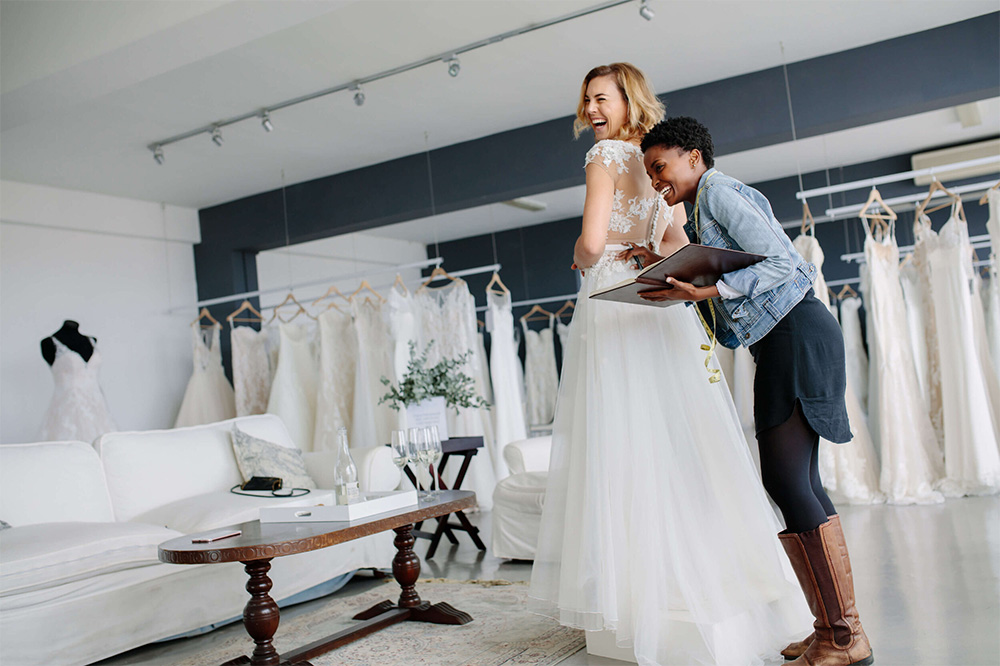
Understanding the Concept of a Wedding
A Wedding is more than a ceremony—it is a personalized celebration that brings together family, friends, and traditions that are meaningful to the couple. Each wedding begins with a vision: deciding on the scale, style, and overall atmosphere. This early decision influences all subsequent choices, from venues to attire, and from floral arrangements to entertainment.
Popular Wedding Styles
- Traditional Ceremonies: Classic church or religious ceremonies, often followed by a formal reception.
- Outdoor Weddings: Gardens, beaches, and parks offer natural beauty, ideal for a relaxed or scenic environment.
- Hotel or Ballroom Weddings: Convenient for larger guest lists, with built-in catering and accommodation options.
- Intimate Weddings: Small-scale gatherings focusing on close family and friends, offering a more personal and meaningful experience.
- Modern or Minimalist Weddings: Simplified design, clean aesthetics, often focusing on unique venues and personalized touches.
Planning Tips
- Define your vision early to maintain consistency.
- Consider season and location to match the desired ambiance.
- Identify cultural or family traditions to incorporate into the ceremony.
Wedding Venue: Choosing the Perfect Location
The Wedding Venue is one of the most important decisions in wedding planning. It sets the tone, affects logistics, and can influence nearly every aspect of the celebration.
Popular Venue Options
- Event halls and ballrooms
- Hotels and resorts
- Gardens, vineyards, beaches, and parks
- Historic estates or private properties
- Rustic barns or countryside venues
Factors to Consider
- Capacity and layout flexibility
- Indoor and outdoor options
- Accessibility and parking
- Available services such as furniture or catering
- Setup and breakdown schedules
Venue Planning Tips
- Visit multiple venues in person to evaluate ambiance and practicality.
- Check reviews and ask for references from previous clients.
- Consider seasonal availability and peak times, which may affect cost.
Wedding Planner: Coordinating a Seamless Celebration
A Wedding Planner provides professional guidance and ensures that every detail aligns with the couple's vision. While some couples plan independently, planners can save time, reduce stress, and manage complex logistics.
Types of Wedding Planner Services
- Full-Service Planning: End-to-end coordination from concept to execution.
- Partial Planning: Supports specific aspects, such as vendor selection or design consultation.
- Day-of Coordination: Manages the ceremony and reception logistics on the wedding day.
Responsibilities of a Wedding Planner
- Creating and maintaining detailed timelines
- Coordinating with Wedding Vendors Near You
- Supervising setup and ensuring schedules run smoothly
- Advising on décor, seating, and design to match the theme
- Managing contracts, payments, and vendor communication
Wedding Costs: Managing Your Wedding Budget
Understanding Wedding Costs is critical for effective Wedding planning. Costs can vary greatly depending on venue, number of guests, and services. A well-structured budget ensures you prioritize spending without compromising key experiences.
Typical Cost Categories and Approximate Allocation
- Venue Rental (30–40%): Often the largest expense, includes space rental, amenities, and sometimes furniture.
- Catering and Beverages (25–35%): Food and drink costs depend on guest count, menu, and style.
- Wedding Planner Services (5–15%): Full-service planners cost more but save time and stress.
- Photography and Videography (5–10%): Capturing memories is essential.
- Wedding Dresses and Attire (5–10%): Includes the bride’s dress, groom’s attire, and alterations.
- Wedding Rings (2–5%): Symbolic pieces that should fit the budget range.
- Florals and Décor (5–10%): Bouquets, centerpieces, and decorative elements.
- Entertainment and Rentals (3–7%): DJ, live music, AV equipment, or furniture rentals.
- Miscellaneous (5%): Invitations, favors, transportation, or unforeseen costs.
Budget Planning Tips
- Set a Total Budget Early: Decide on the maximum spending to guide decisions.
- Allocate by Priority: Focus on elements that matter most—venue, photography, or personal touches.
- Include a Contingency Fund: Reserve 5–10% for unexpected expenses.
- Track Expenses: Use spreadsheets or wedding planning apps to monitor spending.
- Save Strategically: Consider off-peak dates, local vendors, and DIY elements.
Sample Budget Scenario (100 Guests)
Wedding Vendors Near You: Building a Trusted Team
Wedding Vendors Near You provide essential services to bring your wedding vision to life. Local vendors often have experience with nearby venues, which helps streamline logistics.
Common Vendor Types
- Photographers and videographers
- Florists and decorators
- Hair and makeup artists
- DJs and live musicians
- Bakers and cake designers
Vendor Selection Tips
- Review portfolios and past work before booking.
- Meet in person to discuss expectations and style preferences.
- Sign clear contracts outlining services, pricing, and timelines.
Wedding Dresses: Finding the Perfect Dress
Wedding Dresses are a central element of any wedding, reflecting personal style while coordinating with the overall theme and venue.
Popular Styles
- A-line or Ball Gown
- Fitted or Mermaid
- Simple or Modern
- Lace, Satin, or Chiffon Fabrics
Dress Planning Tips
- Start shopping 6–9 months before the wedding.
- Schedule multiple fittings to ensure comfort and fit.
- Coordinate with venue and theme to maintain visual harmony.
Wedding Rings: Symbolism and Practicality
Wedding Rings symbolize commitment and continuity. Selecting the right ring balances design, comfort, and long-term wearability.
Ring Options
- Gold, platinum, or white metal bands
- Diamond or gemstone accents
- Matching or complementary sets
- Classic or minimalist designs
Ring Planning Tips
- Allow time for sizing and engraving.
- Consider lifestyle and daily wear.
- Compare multiple jewelers to find preferred style and budget alignment.
Organizing the Wedding Planning Timeline
A structured timeline ensures tasks are completed efficiently and reduces stress. Milestones may include:
- Define wedding vision and priorities
- Set the budget
- Book Wedding Venue
- Select Wedding Vendors Near You
- Choose Wedding Dresses and attire
- Select Wedding Rings
- Finalize schedules, seating, and logistics
Use checklists, apps, or planners to monitor progress and communicate with vendors effectively.
Extra Tips for a Memorable Wedding
- Personalized Touches: Incorporate meaningful vows, family traditions, or custom décor.
- Guest Experience: Plan seating, menu, and entertainment to maximize enjoyment.
- Backup Plans: For outdoor weddings, have weather contingencies.
- Timeline Buffers: Include extra time for vendor setup, photos, and transitions.
- Clear Communication: Keep all vendors informed to prevent misunderstandings.
Conclusion
Planning a Wedding involves blending creativity, coordination, and practical decision-making. From selecting the venue and vendors to managing costs, choosing dresses and rings, a structured approach ensures a cohesive and memorable celebration. Thoughtful planning transforms your vision into a day that couples and guests will cherish forever.