Wedding Planning Made Easy: Step-by-Step Tips for a Perfect Day
Wedding planning is a structured process that combines creativity with practical coordination. Clear planning, balanced budgeting, and collaboration with experienced professionals help shape a well-organized wedding. From defining the overall Wedding concept to selecting a suitable Wedding Venue, managing Wedding Costs, and working with reliable Wedding Vendors Near You, each step supports a cohesive event experience.This guide outlines key wedding planning elements, including Wedding Planner support, Wedding Dresses, and Wedding Rings, with an emphasis on clarity, organization, and lasting value.
Understanding the Concept of a Wedding
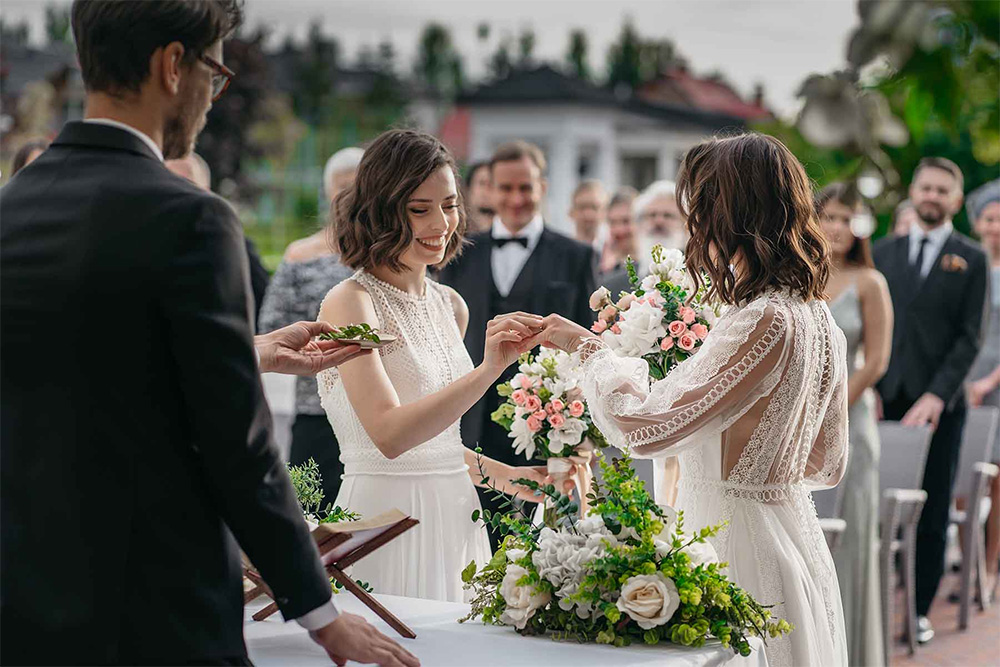
A Wedding is more than a ceremony; it is a personalized celebration of love that brings together family, friends, and meaningful traditions. Each wedding starts with a vision—deciding the scale, style, and overall atmosphere. This vision guides all subsequent choices, from venues and attire to décor and entertainment.
Popular Wedding Styles
- Traditional Ceremonies: Classic church or religious ceremonies, often followed by a formal reception.
- Outdoor Weddings: Gardens, beaches, and parks offer natural beauty for a relaxed or scenic atmosphere.
- Hotel or Ballroom Weddings: Suitable for larger guest lists, with on-site catering and accommodations.
- Intimate Weddings: Small gatherings focusing on close family and friends, creating a personal and meaningful experience.
- Modern or Minimalist Weddings: Simplified design with clean aesthetics, highlighting unique venues and personalized touches.
Planning Tips
- Define your vision early to ensure all elements align.
- Consider the season and location to match the desired ambiance.
- Incorporate cultural or family traditions for added significance.
Wedding Venue: Choosing the Perfect Location
The Wedding Venue sets the tone for the celebration, impacts logistics, and affects nearly every aspect of the event.
Popular Venue Options
- Event halls and ballrooms
- Hotels and resorts
- Gardens, vineyards, beaches, and parks
- Historic estates or private properties
- Rustic barns or countryside venues
Factors to Consider
- Capacity and space layout
- Indoor and outdoor options
- Accessibility and parking
- Available services such as furniture or catering
- Setup and breakdown schedules
Venue Planning Tips
- Visit multiple venues in person to evaluate ambiance and practicality.
- Read reviews and ask for references from previous clients.
- Consider seasonal availability and peak dates that may affect cost.
Selecting the right venue early establishes the foundation for the wedding and helps coordinate other elements smoothly.
Wedding Planner: Coordinating a Seamless Celebration
A Wedding Planner provides professional guidance to ensure all details align with the couple’s vision. Even for couples planning independently, a planner can save time, reduce stress, and manage complex logistics.
Types of Wedding Planner Services
- Full-Service Planning: End-to-end coordination from concept to execution.
- Partial Planning: Assistance with specific areas, such as vendor selection or design consultation.
- Day-of Coordination: Manages the ceremony and reception logistics on the wedding day.
Responsibilities of a Wedding Planner
- Creating and maintaining a detailed timeline
- Coordinating with Wedding Vendors Near You
- Supervising setup and ensuring the schedule runs smoothly
- Advising on décor, seating, and design alignment
- Managing contracts, payments, and vendor communications
Wedding Costs: Budgeting for Every Detail
Understanding Wedding Costs is essential for successful planning. Expenses vary depending on venue, guest count, services, and style. A clear budget ensures key priorities are funded without overspending.
Typical Wedding Cost Categories
- Venue Rental (30–40%): Often the largest single expense, includes space and amenities.
- Catering and Beverages (25–35%): Cost depends on guest count, menu, and service style.
- Wedding Planner (5–15%): Full-service planners cost more but save time and stress.
- Photography & Videography (5–10%): Capturing memories is essential; high-quality photographers command premium fees.
- Wedding Dresses & Attire (5–10%): Includes dress, suit, and alterations.
- Wedding Rings (2–5%): Symbolic but should fit your budget.
- Florals & Décor (5–10%): Bouquets, centerpieces, and other decorations.
- Entertainment & Rentals (3–7%): DJs, bands, AV equipment, or furniture rentals.
- Miscellaneous (5%): Invitations, favors, transportation, or unexpected costs.
Budget Planning Tips
- Set a Total Budget Early: Decide the maximum you’re willing to spend.
- Allocate by Priority: Spend more on elements that matter most to you.
- Include a Contingency Fund: Reserve 5–10% for unexpected expenses.
- Track Expenses: Use spreadsheets or wedding planning apps to monitor spending.
- Consider Cost-Saving Options: Off-peak dates, local vendors, or DIY décor and invitations.
Sample Budget for 100 Guests
Wedding Vendors Near You: Building a Reliable Team
Wedding Vendors Near You are essential to bring the wedding vision to life. Local vendors offer logistical advantages and familiarity with nearby venues.
Common Vendor Types
- Photographers and videographers
- Florists and decorators
- Hair and makeup artists
- DJs and live musicians
- Bakers and cake designers
Vendor Selection Tips
- Review portfolios and previous client reviews
- Meet in person to discuss expectations and style
- Sign clear contracts outlining services, pricing, and timelines
Wedding Dresses: Finding the Perfect Dress
Wedding Dresses are a central element of the celebration, reflecting personal style while coordinating with the theme and venue.
Popular Styles
- A-line and ball gowns
- Fitted or mermaid silhouettes
- Simple or modern designs
- Lace, satin, or chiffon fabrics
Dress Planning Tips
- Begin shopping 6–9 months before the wedding
- Schedule multiple fittings for comfort and fit
- Coordinate with venue and wedding theme for a cohesive look
Wedding Rings: Symbolic and Practical Choices
Wedding Rings symbolize commitment and continuity, making them an essential part of any wedding.
Ring Options
- Gold, platinum, or white metal bands
- Diamond or gemstone accents
- Matching or complementary sets
- Classic or minimalist designs
Ring Planning Tips
- Allow time for sizing and engraving
- Consider lifestyle and daily wear for durability
- Compare multiple jewelers to find the best style and price
Organizing the Wedding Planning Timeline
A structured timeline ensures tasks are completed efficiently and reduces stress. Typical milestones include:
- Define wedding vision and priorities
- Set the budget
- Book the Wedding Venue
- Select Wedding Vendors Near You
- Choose Wedding Dresses and attire
- Select Wedding Rings
- Finalize schedule, seating, and logistics
Use checklists, apps, or planners to track progress and communicate effectively with vendors.
Extra Tips for a Memorable Wedding
- Personalized Touches: Include meaningful vows, family traditions, or custom décor
- Guest Experience: Plan seating, menus, and entertainment to maximize enjoyment
- Backup Plans: For outdoor weddings, prepare for weather contingencies
- Timeline Buffers: Allocate extra time for setup, photos, and transitions
- Clear Communication: Keep all vendors informed to avoid misunderstandings
These details contribute to a seamless, enjoyable, and unforgettable celebration.
Conclusion
Planning a Wedding involves combining creativity, coordination, and practical decision-making. From selecting the perfect venue and trusted vendors to managing costs, choosing dresses, and picking rings, a structured approach ensures a cohesive and memorable event. Thoughtful planning transforms the wedding vision into a celebration that couples and guests will cherish forever.