Car Repair Services Explained: From Brakes Repair to Full Auto Collision Repair
Car repair is crucial not only for vehicles damaged in accidents but also for minor, everyday malfunctions. Regular vehicle inspections and maintenance are essential for ensuring a vehicle's safety, reliability, and comfort. Neglecting small problems can develop into serious malfunctions, such as brake issues, heating system problems, engine performance issues, or even structural damage. Seeking vehicle maintenance services is not only about resolving existing problems but also about preventing unnecessary accidents and extending the vehicle's lifespan.
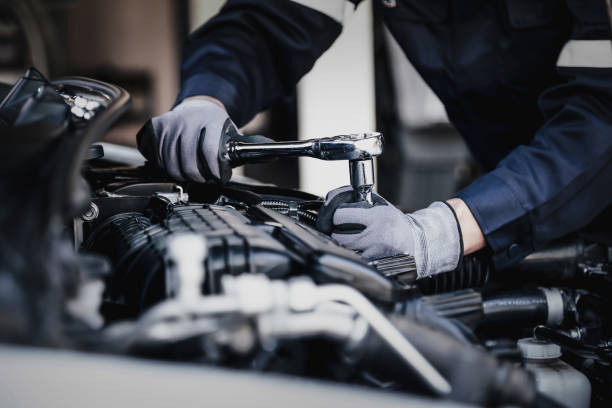
Understanding Modern Car Repair Services
Modern car repair services go far beyond basic mechanical work. Today’s vehicles include intricate electronic systems, emissions controls, automated safety features, and brand-specific design elements that require specialized expertise. Comprehensive car repair services typically include:
- Mechanical diagnostics
- Engine and transmission services
- Brake system service and brakes repair
- Suspension and steering repairs
- Electrical system troubleshooting
- Car heater repair and AC maintenance
- Autobody repair and paint work
- Scheduled maintenance according to manufacturer guidelines
Many shops also provide specialized services tailored to certain brands—Mini vehicles, for example, often require mini repair experts familiar with the brand’s layout.
As vehicles become more dependent on sensors and electronic controls, accurate diagnostic work is crucial. A check-engine light may indicate problems in fuel injection, emissions, or critical safety systems. Professional technicians use computerized tools to pinpoint issues and recommend repair strategies that are both cost-efficient and effective.
Brakes Repair: A Critical Component of Vehicle Safety
Among all car repair services, brakes repair is one of the most essential. A well-maintained braking system can prevent serious accidents and ensure precise vehicle handling. Brakes repair typically includes:
- Brake pad replacement
- Rotor resurfacing or replacement
- Brake fluid flush
- Caliper service
- ABS system diagnostics
Ignoring early warning signs—such as grinding noises, vibrating pedals, or reduced stopping power—can escalate repair costs and compromise safety.
In winter, road conditions become more hazardous due to ice, snow, and reduced visibility. Drivers rely on fully functional brakes to navigate slippery surfaces safely. Regular brakes repair and inspection become even more crucial during the colder months, especially in regions with heavy snowfall.
Auto Collision Repair: Restoring Structural Integrity After an Accident
Auto collision repair is a specialized sector within the car repair industry. When a vehicle is involved in an accident, its structural alignment, body panels, and mechanical systems may be compromised. Auto collision repair addresses:
- Frame straightening
- Body panel replacement or repair
- Auto body collision repair for crush zones
- Paint matching and refinishing
- Sensor calibration
- Alignment correction
Even low-speed accidents can damage electronic components such as blind-spot sensors or lane-keeping cameras. Proper auto body collision repair ensures safety features continue to function correctly.
A collision-repaired vehicle should undergo both mechanical and autobody repair inspections to verify that it meets manufacturer safety standards. Ignoring structural misalignment can result in uneven tire wear, poor handling, or increased accident risk.
Autobody Repair: Beyond Cosmetic Improvements
While many drivers associate autobody repair with cosmetic enhancements, it plays a significant role in maintaining vehicle safety and performance. Autobody repair includes:
- Dent removal
- Rust treatment
- Window and windshield replacement
- Door, hood, and trunk alignment
- Paint restoration
Corrosion and panel damage can weaken the car’s protective structure. Proper autobody repair restores the vehicle’s original fit and finish, ensuring optimal aerodynamics and structural stability. After accidents, a combination of autobody repair and auto collision repair is necessary to fully restore the vehicle.
Car Heater Repair: A Winter Essential
In many parts of the United States—especially the Midwest and Northeast—temperatures can drop dramatically during winter. Car heater repair becomes critical for:
- Cabin comfort
- Driver alertness
- Windshield defrosting
- Reducing humidity and fogging
- Preventing coolant system damage
Common heater issues include:
- Blower motor failure
- Thermostat malfunction
- Clogged heater core
- Coolant leaks
- Electrical wiring faults
Because the heating system is connected to the vehicle’s cooling system, unresolved heater issues can lead to engine overheating. Car heater repair should be prioritized before winter arrives.
Mini Repair: Brand-Specialized Services for Better Performance
Mini vehicles require mini repair experts due to their unique engineering. Minis have compact engine bays, specialized suspension layouts, and model-specific electronics that differ from other brands. Common mini repair needs include:
- Timing chain inspection
- Turbocharger maintenance (for specific models)
- Electrical issue diagnosis
- Cooling system repair
- Suspension bushing replacement
Using non-specialized service centers can lead to misdiagnosis or incorrect parts installation. Certified mini repair shops use proper tools, software, and OEM components to ensure precise service.
Auto Car Repair: The Comprehensive Approach
Auto car repair encompasses all areas of vehicle maintenance and repair. A full-service shop provides:
- Engine diagnostics
- Steering and suspension service
- Brakes repair
- Autobody repair
- Auto collision repair
- HVAC repair including car heater repair
- Battery and electrical diagnostics
- Tire services
Choosing a shop that offers full auto car repair allows owners to consolidate services and receive consistent maintenance records.
How to Choose a Reliable Car Repair Service Provider
When selecting a car repair provider, consider:
- Technician certification ASE-certified mechanics ensure high-quality work.
- Diagnostic capabilities Shops should have updated scanning tools compatible with modern vehicles.
- Transparency in pricing Reputable shops provide detailed estimates.
- Warranty on parts and labor This indicates confidence in their repair quality.
- Specialization For example, choose mini repair specialists for Mini models.
- Customer reviews Online feedback often reflects reliability and service consistency.
Cost Considerations and Long-Term Maintenance Strategy
While repair costs vary based on model, labor rates, and region, proactive maintenance can significantly reduce long-term expenses. For example:
- Regular brakes repair prevents rotor replacement.
- Early car heater repair avoids coolant leaks.
- Routine inspections reduce the likelihood of major auto car repair needs.
Car owners benefit from scheduling annual inspections and addressing small problems immediately.
Conclusion: A Strategic Approach to Car Repair Ensures Long-Term Vehicle Health
Car repair is not only about fixing broken components—it’s about preventive maintenance, safety, and ensuring the longevity of the vehicle. Whether the need involves brakes repair, mini repair, autobody repair, or full auto collision repair, choosing qualified professionals is essential.
A well-maintained vehicle performs better, lasts longer, and provides a safer driving experience. By understanding key car repair services and knowing when to seek professional help, drivers can protect both their vehicles and their wallets.