Fireplace Cleaning 101: Costs, Process, and Safety Inspections Explained
Fireplace cleaning is a crucial part of home safety and heating efficiency during the winter season. Regular cleaning of the firebox and chimney prevents creosote buildup, blockages, and fire hazards while improving indoor air quality and heat distribution. Professional services typically include cleaning the fireplace, sweeping the chimney, inspecting the damper, and checking for structural issues. Understanding fireplace cleaning cost and hiring a qualified service provider ensures thorough maintenance. Combined with routine at-home care, these practices extend the lifespan of your fireplace and maintain a safe and comfortable heating environment throughout the winter months.
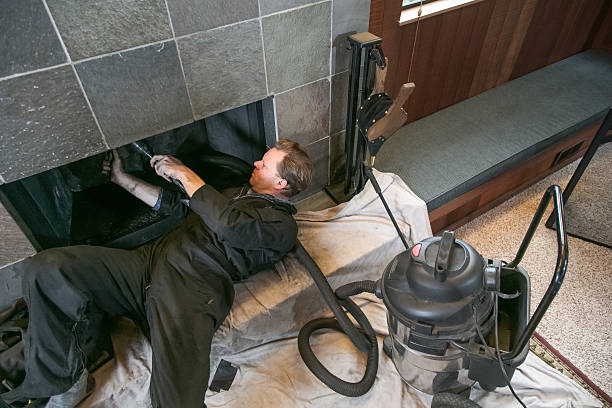
Introduction: Why Fireplace Cleaning is Essential
A well-maintained fireplace is a centerpiece of many homes, providing warmth, ambiance, and comfort during cold months. However, frequent use of wood-burning or gas fireplaces can lead to soot accumulation, creosote buildup, and debris inside the firebox and chimney. Regular fireplace cleaning is essential not only for aesthetics but also for safety. Without proper maintenance, blocked chimneys and dirty fireplaces can increase the risk of house fires, smoke damage, and carbon monoxide exposure. Understanding the fireplace cleaning process, associated costs, and professional services can help homeowners maintain both safety and efficiency throughout the year.
Typical Fireplace Cleaning Costs
Many homeowners are concerned about fireplace cleaning cost. For a basic wood-burning fireplace, professional cleaning typically ranges between $100 and $300, depending on the fireplace size and accessibility. Gas fireplaces generally require less intensive cleaning but still need routine inspection to ensure burners and vents are functioning properly.
Additional factors affecting cost include:
- Fireplace type: Wood-burning vs. gas or pellet stoves
- Chimney condition: Soot or creosote accumulation can increase labor time
- Accessibility: Chimneys on steep roofs or multi-story homes may require additional safety measures
- Extra services: Repairs, damper replacement, or liner inspection may add to the total fee
Hiring a certified professional ensures that cleaning is thorough and safety standards are met.
The Fireplace Cleaning Process
A professional fireplace cleaning typically includes:
- Removing ashes, soot, and debris from the firebox
- Sweeping or vacuuming the chimney flue to remove creosote buildup
- Inspecting the chimney liner and damper for damage
- Checking for any structural issues or blockages
Routine cleaning helps maintain airflow, prevent smoke backflow, and reduce fire risk. For wood-burning fireplaces, creosote removal is particularly important, as creosote is highly flammable and can accumulate rapidly during heavy usage.
Benefits of Regular Fireplace Cleaning
Regular fireplace cleaning offers multiple benefits:
- Fire Prevention: Removing soot and creosote reduces the risk of chimney fires.
- Improved Air Quality: A clean fireplace minimizes smoke and harmful particulate matter entering your home.
- Enhanced Heating Efficiency: Clean flues and properly functioning dampers allow better airflow and heat distribution.
- Longer Fireplace Lifespan: Regular inspections during cleaning can identify small issues before they become costly repairs.
Homeowners should aim to clean their fireplace at least once a year, ideally before the start of the heating season.
Safety Considerations
Maintaining a clean fireplace is vital for safety. Common hazards that fireplace cleaning addresses include:
- Soot and creosote buildup that could ignite during a fire
- Blocked flues that can cause smoke or carbon monoxide to enter the home
- Damage to the chimney liner or masonry that may worsen if not repaired
Certified professionals can provide a comprehensive fireplace inspection during cleaning, ensuring the structure is safe for continued use.
How to Choose a Professional Fireplace Cleaning Service
When hiring a service provider for fireplace cleaning, consider the following:
- Check certification and insurance to ensure the provider is qualified
- Ask whether chimney inspection, liner checks, and damper testing are included
- Obtain a written estimate detailing fireplace cleaning cost and additional services
- Compare 2–3 quotes to understand average pricing and included services
- Look for references or reviews from past clients
A professional approach guarantees thorough cleaning, safety compliance, and peace of mind.
DIY Fireplace Cleaning Tips
While professional cleaning is recommended, homeowners can maintain their fireplace between cleanings:
- Remove ashes after each use to prevent buildup
- Sweep or vacuum around the firebox to reduce soot accumulation
- Inspect visible portions of the chimney for debris or animal nests
- Avoid burning wet or treated wood, which produces more soot and accelerates creosote buildup
These practices complement professional fireplace cleaning and prolong the interval between full cleanings.
Conclusion
Regular fireplace cleaning is essential for maintaining a safe, efficient, and enjoyable fireplace. Understanding fireplace cleaning cost, scheduling annual inspections, and hiring qualified professionals ensures that your home stays warm and hazard-free. By keeping your fireplace and chimney well-maintained, you can enjoy a cozy winter season while minimizing risks associated with soot, creosote, and structural damage.