Your 2025 Guide to Chimney Cleaning and Inspection: Costs, Safety & Best Practices
As winter approaches, many American households with fireplaces or wood‑burning stoves rely on their chimneys to safely vent smoke and combustion gases. Frequent use during cold months often leads to soot and creosote buildup — conditions that significantly increase the risk of chimney fires, carbon‑monoxide leaks, and inefficient heating. Regular chimney inspection and chimney cleaning are essential. Whether you burn wood, pellets, or use a gas fireplace, hiring a professional chimney sweep ensures safe operation, better efficiency, and peace of mind.This guide explores typical chimney cleaning cost, what drives pricing, how inspections work (including fireplace inspection), common warning signs, what to expect from a sweep, and practical tips to keep your chimney safe and functional.
Introduction: The Importance of Chimney Cleaning
During the U.S. winter season, many households rely heavily on wood-burning stoves and fireplaces to keep their homes warm. While these heating sources are effective, frequent use increases soot and creosote buildup inside chimneys. Regular chimney cleaning is essential for both safety and efficiency. Without proper maintenance, chimneys can become fire hazards or allow dangerous carbon monoxide to enter living spaces. Understanding the chimney cleaning cost, how inspections work, and when to hire a professional chimney sweep can help homeowners maintain a safe and efficient heating system. Additionally, a thorough fireplace inspection ensures that both the chimney and hearth are in optimal condition before winter usage.
Typical Chimney Cleaning and Inspection Costs
Homeowners often ask about chimney cleaning cost and what factors influence pricing. Basic cleaning for a well-maintained chimney generally costs between $90 and $250. For more complex chimneys with multiple flues, heavy creosote buildup, or difficult roof access, prices may range from $250 to $400 or more. A professional chimney sweep often includes a full inspection and cleaning of the flue, fireplace, and surrounding components.
In addition, the chimney inspection cost varies depending on the inspection level. A Level 1 inspection, which includes a visual assessment and minor cleaning, may range from $100 to $200. Level 2 inspections, often required for real estate transactions or after significant chimney usage, typically cost $250 to $600. Level 3 inspections, reserved for suspected structural issues or fire damage, can reach $900 to $5,000. Proper budgeting for these services ensures that homeowners address safety concerns without unnecessary expenditure.
Factors Affecting Chimney Cleaning Costs
Several factors affect chimney cleaning cost and inspection pricing:
- Chimney condition: Heavy creosote, soot, or debris from bird nests may require more labor and time.
- Number of flues: Single-flue chimneys are easier and less costly to clean than multi-flue systems.
- Fireplace type: Wood-burning stoves generally accumulate more creosote than gas fireplaces.
- Accessibility: Chimneys on steep or high roofs can increase labor costs due to safety precautions.
- Additional services: Damper repair, liner replacement, waterproofing, or cap installation can increase the overall cost.
Scheduling a chimney sweep before heavy winter use helps prevent costly repairs later and improves home safety.
What Happens During a Chimney Cleaning and Inspection
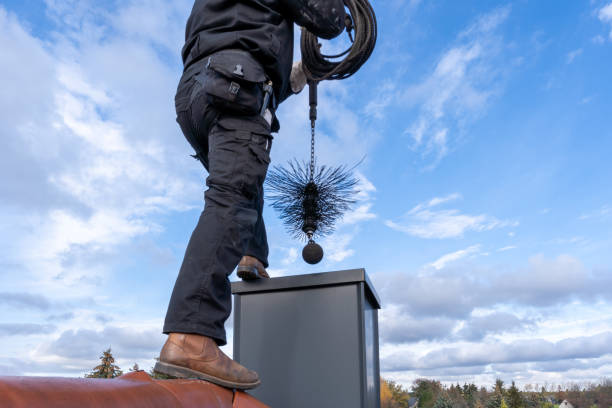
A professional chimney cleaning process involves removing soot, ash, and creosote deposits. The chimney flue, firebox, and fireplace components are thoroughly cleaned, ensuring proper airflow and safety. Meanwhile, a fireplace inspection evaluates the structural integrity of the hearth and checks for cracks, leaks, or damage.
A chimney inspection typically follows a structured approach:
- Level 1: Basic visual inspection suitable for annual maintenance.
- Level 2: Includes video camera inspection of the flue and more detailed evaluation, often used for real estate transactions or after extensive use.
- Level 3: Comprehensive structural inspection reserved for suspected fire damage or severe issues.
Hiring a qualified chimney sweep ensures that inspections are accurate and cleaning is performed thoroughly, reducing fire risks and improving heating efficiency.
Safety Benefits of Regular Chimney Maintenance
Regular chimney cleaning significantly reduces the risk of chimney fires. Creosote, a byproduct of wood burning, is highly flammable and accumulates in the flue over time. Regular inspections help detect blockages, cracks, or moisture damage before they lead to dangerous conditions.
Other benefits include:
- Improved heating efficiency: Clean chimneys allow better airflow, ensuring more effective burning and heat distribution.
- Prevention of smoke and carbon monoxide hazards: Blockages or cracks can cause smoke or CO to enter the living space.
- Longevity of the chimney structure: Routine inspections detect early signs of damage, avoiding costly repairs.
For households using fireplaces regularly, experts recommend chimney cleaning at least once per year, ideally before the start of the winter season.
How to Choose a Reliable Chimney Sweep
Selecting a trusted chimney sweep is critical. Consider these factors:
- Verify that the company offers clear inspection levels (Level 1, 2, 3) and adheres to local codes.
- Ensure that cleaning, chimney inspection, and any necessary camera evaluations are included in the service.
- Confirm insurance coverage and professional experience, particularly for multi-flue chimneys or rooftop access.
- Obtain a written estimate detailing chimney cleaning cost and included services.
- Check reviews or ask for references from previous clients to ensure quality and reliability.
Comparing multiple quotes allows homeowners to understand market rates and select a service that fits both safety requirements and budget.
Pre-Winter Preparation Tips for Homeowners
Before heavy winter use, take the following steps:
- Inspect chimney cap, damper, and roof flashing for damage.
- Remove ashes and clean the fireplace area.
- Clear debris, leaves, or bird nests that may obstruct the flue.
- Schedule an inspection or chimney sweep if it has been more than a year since the last cleaning.
- Avoid burning wet or unseasoned wood, which accelerates creosote buildup.
Regular maintenance not only enhances safety but also ensures more effective heating throughout the winter.
Conclusion
A well-maintained chimney is crucial for safe and efficient winter heating. Scheduling regular chimney cleaning, hiring a professional chimney sweep, and conducting routine chimney inspections and fireplace inspections can prevent fires, improve heating efficiency, and extend the life of your chimney. Understanding the chimney cleaning cost and chimney inspection cost helps homeowners plan and budget appropriately. For U.S. households relying on fireplaces, these maintenance practices are essential components of winter home safety.