Home Renovation Guide: Remodeling House, Kitchen & Bathroom Tips
Home Renovation allows homeowners to improve, update, and personalize their living spaces effectively. This guide covers essential aspects of remodeling house interiors, including layout planning, material selection, and minor structural changes. It also provides practical advice on kitchen renovation, such as upgrading countertops, cabinets, appliances, and lighting to enhance both functionality and aesthetics. Bathroom renovation is highlighted with guidance on replacing fixtures, optimizing storage, and improving ventilation and waterproofing. Additionally, the guide explains how to plan a Home Renovation project, estimate costs, select qualified contractors, and manage project timelines efficiently. By following these strategies, homeowners can balance quality and budget, make informed decisions, and achieve a comfortable, stylish, and high-value home.
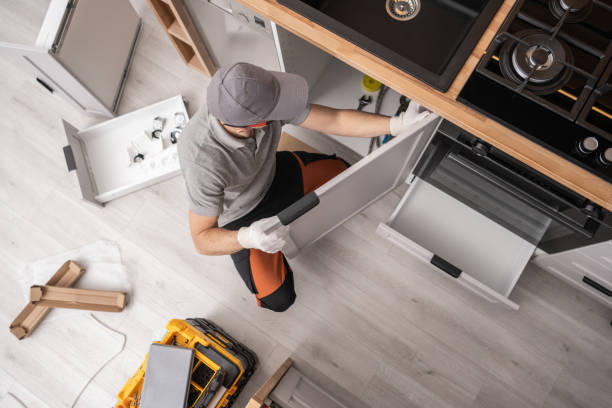
Remodeling House Interiors: Planning and Execution
Remodeling house interiors can range from minor cosmetic updates to extensive structural changes. Before beginning any project, homeowners should consider:
- Structural Assessment: Ensure walls, ceilings, and flooring can support changes.
- Space Planning: Optimize layouts for better flow and usability.
- Material Selection: Choose durable and stylish finishes that align with the overall design.
- Budget Allocation: Define the budget for labor, materials, and contingencies.
Common interior remodeling projects include repainting, flooring replacement, wall removal, or creating open-concept spaces. Costs vary based on project complexity: minor updates range around USD 5,000–15,000, while major remodels can exceed USD 50,000.
Kitchen Renovation: Combining Functionality and Style
The kitchen is a central space in any home, often influencing property value significantly. Kitchen renovation projects focus on:
- Countertops: Durable materials such as quartz or granite.
- Cabinetry: Maximizing storage while maintaining aesthetic appeal.
- Appliances: Energy-efficient and modern appliances.
- Lighting: Proper lighting for functionality and ambiance.
- Layout Improvements: Optimize workflow and usability.
Typical kitchen renovation costs range from USD 15,000 to 50,000 depending on size, materials, and extent of upgrades. Strategic planning ensures cost-effective outcomes while improving daily usability.
Bathroom Renovation: Comfort Meets Functionality
Bathroom renovation projects aim to create a balance between comfort, functionality, and modern design. Key considerations include:
- Fixtures: Updating sinks, toilets, showers, or bathtubs.
- Storage Solutions: Efficient use of limited space.
- Ventilation and Waterproofing: Preventing moisture damage and mold growth.
- Aesthetics: Coordinating tiles, color schemes, and lighting.
Typical bathroom renovation costs range from USD 10,000–30,000. A well-planned bathroom renovation enhances usability and long-term value.
Setting Goals and Budgets for Home Renovation
Clear goal-setting and realistic budgeting are essential. Homeowners should determine which areas need renovation, desired outcomes, and budget limits. Effective budgeting includes:
- Material Costs: Flooring, cabinetry, countertops, fixtures.
- Labor Costs: Contractors, specialists, or subcontractors.
- Contingency Funds: Around 10–20% of the budget for unexpected issues.
Proper budgeting prevents overspending and ensures the project remains feasible and organized.
Hiring the Right Contractors
Selecting qualified contractors is vital for a successful renovation. Key tips include:
- Licensing and Insurance: Verify credentials to avoid liability.
- Experience: Look for professionals experienced in remodeling house interiors, kitchen renovation, and bathroom renovation.
- References and Past Projects: Check previous work quality.
- Detailed Quotes: Include materials, labor, timeline, and warranty information.
Obtaining multiple quotes allows homeowners to compare costs and select contractors who deliver quality work within budget.
Project Timeline and Workflow
Typical Home Renovation projects follow a structured timeline:
- Initial Planning and Design: 2–4 weeks for goal setting, design layouts, and material selection.
- Contractor Selection and Permits: 2–6 weeks to hire professionals and obtain necessary approvals.
- Demolition and Structural Work: 1–3 weeks depending on the extent of remodeling.
- Installation of Fixtures and Finishes: 3–6 weeks for kitchens, bathrooms, and interior remodeling.
- Final Inspection and Touch-ups: 1 week to ensure quality and address minor corrections.
Total project duration can vary from 6 weeks for minor renovations to 3–4 months for extensive remodeling.
Cost Considerations in Home Renovation
Material Costs:
- Flooring: Hardwood USD 5–10 per sq. ft., tile USD 3–8 per sq. ft.
- Countertops: Quartz USD 50–100 per sq. ft., granite USD 40–90 per sq. ft.
- Cabinets: Custom USD 300–600 per linear foot, pre-fabricated USD 100–250 per linear foot.
Labor Costs: Typically 30–50% of total project costs, depending on location and complexity.
Contingency Planning: Allocate 10–20% for unexpected issues such as plumbing, electrical upgrades, or hidden structural problems.
Common Challenges in Home Renovation
- Scope Creep: Clearly define project scope to avoid mid-project expansions.
- Budget Overruns: Track costs and compare multiple quotes.
- Project Delays: Maintain regular communication with contractors.
- Quality Control: Inspect work regularly and resolve issues promptly.
Proper planning and monitoring mitigate risks and ensure project success.
Maximizing Value Through Home Renovation
- Prioritize high-impact areas like kitchens and bathrooms.
- Incorporate energy-efficient appliances and sustainable materials.
- Improve layouts for better space utilization and convenience.
- Ensure design and finishes match the overall style of the home.
A well-executed renovation increases property value, enhances comfort, and provides long-term satisfaction.
Maintenance and Post-Renovation Care
After completing a Home Renovation, homeowners should:
- Regularly inspect remodeled areas for wear and tear.
- Maintain plumbing and electrical systems.
- Schedule periodic updates to prevent deterioration.
- Keep documentation of all work for warranty purposes and resale considerations.
Ongoing maintenance ensures longevity and protects the investment made in the renovation.
Conclusion
Home Renovation, including remodeling house interiors, kitchen renovation, and bathroom renovation, is a strategic investment that enhances comfort, style, and property value. Careful planning, informed budgeting, and hiring experienced contractors are essential to project success. Regular inspections, effective communication, and contingency planning help homeowners navigate challenges while maximizing results. By following these strategies, homeowners can achieve functional, aesthetically pleasing, and high-value spaces.