Roof Repair vs Roof Replacement: How to Make the Right Choice
Roof Repair decisions can significantly impact both the safety and value of your home. This article guides homeowners in assessing whether a simple Roof Repair suffices or if a full Roof Replacement is necessary. It covers the steps of planning a Roofing Project, identifying the need for New Roof Installation, and understanding typical repair costs. By learning how to evaluate different Roofing Contractors and what to check when you Get a Quote, homeowners can make informed choices, avoid unnecessary expenses, and maintain their roof efficiently.
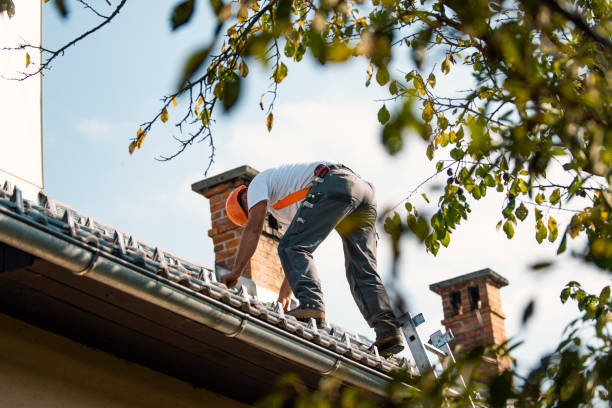
Understanding the Signs That Your Roof Needs Attention
Early identification of roof damage is key to preventing further deterioration. Common indicators include:
- Leaks or water stains on ceilings or walls
- Missing, cracked, or curled shingles
- Granule loss in gutters
- Sagging or soft spots on roof decking
- Mold or mildew around roof edges
A Roof Inspection performed by a qualified Roofing Contractor can accurately determine the extent of damage and whether Roof Repair or Roof Replacement is the most suitable option.
Roof Repair: When It’s the Right Choice
Roof Repair is ideal when damage is localized, the underlying structure remains sound, and problems are minor. Typical situations include:
- Small leaks caused by flashing or sealant failure
- Few damaged shingles or minor tile cracks
- Localized gutter issues
Estimated repair costs: USD 150–700 for minor repairs; larger localized repairs can range USD 800–1,500. Repairs usually take a few hours to one day. Roof Repair extends roof life cost-effectively and avoids unnecessary full replacement.
Roof Replacement: When It Becomes Necessary
A Roof Replacement or New Roof Installation may be required when:
- Damage affects more than 25–30% of the roof
- Roof is 20–30 years old
- Multiple shingles or tiles show significant deterioration
- Roof decking or structural components are compromised
Estimated replacement costs:
- Asphalt shingles: USD 7,000–13,000
- Metal roofing: USD 15,000–30,000
- Tile or slate: USD 20,000–40,000+
Replacement ensures long-term stability and allows for material upgrades that improve energy efficiency and durability.
Planning a Successful Roofing Project
A structured Roofing Project involves:
- Roof Inspection – Assess condition, identify issues, and document findings
- Choosing Repair or Replacement – Based on inspection, budget, and projected roof life
- Selecting a Roofing Contractor – Evaluate licensing, insurance, experience, and warranty
- Obtaining a Quote – Compare multiple contractors, review labor, materials, and project timelines
- Preparing the Property – Move valuables, clear debris, and coordinate schedules
- Executing Work – Ensure safety measures, proper installation, and cleanup
How to Get an Accurate Quote
When you Get a Quote, confirm the following details:
- Detailed material specifications
- Labor costs and estimated hours
- Warranty terms for both workmanship and materials
- Timeline from start to completion
- Any additional fees for old roof removal or structural repairs
Comparing quotes from at least two or three Roofing Contractors allows homeowners to make cost-efficient decisions.
Roof Inspection: The First Step to Cost Savings
A professional Roof Inspection (USD 100–300) identifies minor issues before they escalate. Key inspection areas include:
- Shingle or tile condition
- Flashing and joints
- Roof deck stability
- Ventilation and moisture accumulation
- Gutter and drainage performance
Early detection through Roof Inspection can prevent repeated repairs or premature Roof Replacement.
Choosing the Right Roofing Contractor
Select a Roofing Contractor who offers:
- Valid licensing and insurance
- Transparent written quotes
- Experience with local roofing conditions
- Clear communication about repair vs. replacement options
- References or past project examples
Understanding Roof Materials and Cost Factors
Costs depend on roof size, pitch, materials, labor, and additional repairs. Example ranges:
- Asphalt shingles: USD 4–6 per sq. ft.
- Architectural shingles: USD 6–9 per sq. ft.
- Metal roofing: USD 10–18 per sq. ft.
- Tile/slate roofing: USD 12–25 per sq. ft.
- Labor adds 30–50% to material costs
- Roof removal adds USD 1,000–2,500
- Structural deck repairs add USD 300–1,200 per section
Making the Final Decision: Repair or Replacement?
Choose Roof Repair if:
- Damage is minor or localized
- Roof age < 15 years
- Estimated cost < USD 1,000
- No structural damage
Choose Roof Replacement if:
- Damage >25% of total roof area
- Roof age 20–30 years
- Frequent leaks or recurring problems
- Structural decking compromised
- Annual repairs > USD 1,000
Always start with a Roof Inspection for uncertain conditions or insurance documentation.
Conclusion
A thoughtful approach to Roof Repair, Roof Replacement, and Roofing Projects helps homeowners protect their investment, maintain safety, and manage costs. Understanding typical repair and replacement costs, selecting a qualified Roofing Contractor, and knowing how to Get a Quote ensures confident, cost-efficient decision-making. Regular Roof Inspections are an essential preventive measure that supports informed choices and long-term roof performance.