House Cleaning Explained: Deep Cleaning, Disinfection, and Space-by-Space Techniques
House cleaning plays a key role in maintaining a healthy, comfortable, and organized living environment. This guide explains common cleaning costs, space-specific cleaning methods, recommended tools, and disinfection options. It details kitchen, bathroom, bedroom, and living area cleaning techniques and highlights the advantages of hiring professional services, such as enhanced safety, deeper cleaning, reliable results, and standardized sanitization. The article also provides tips for choosing a trustworthy cleaning company and managing routine and deep-cleaning schedules. It offers a comprehensive approach for homeowners who aim to maintain a clean and protected home.
Overview of House Cleaning Costs
House cleaning costs vary significantly depending on city, home size, cleaning frequency, complexity, and whether disinfection is included. Below are common price ranges (based on U.S. market standards; actual quotes depend on location and service provider):
• Recurring basic cleaning (weekly/biweekly): approx. $50–$200 per session, depending on room count and hours needed. • One-time deep cleaning: approx. $150–$600, suitable for seasonal cleaning or long-neglected areas. • Move-in/move-out cleaning: approx. $150–$500+, often more detailed, including cabinets, appliances, and bathrooms. • Kitchen deep cleaning: approx. $80–$300, depending on appliance count and grease buildup. • Bathroom deep cleaning: approx. $50–$250, depending on mold treatment or sealant replacement. • Window cleaning: approx. $5–$20 per pane (higher for exterior or upper floors). • Carpet cleaning: approx. $0.20–$0.50 per square foot. • Disinfection services: approx. $50–$300 depending on method (fogging, UV, hypochlorous acid, etc.).
Note: Prices vary by region, service scope, provider experience, and whether materials/equipment are included. Request a written estimate listing all included tasks and optional add-on services.
Cleaning Categories and Suggested Frequency
Daily tasks (quick cleaning): wiping surfaces, tidying, simple sweeping, sink clean-up. Weekly cleaning: vacuuming, mopping, stove wipe-down, bathroom sanitizing. Monthly/seasonal deep cleaning: cabinets, filters, washing machine cleaning, curtains, vents. Occasional cleaning: full home cleaning for moves, renovations, year-end deep clean.
Space-Specific Cleaning Methods and Precautions
1 Kitchen
A high-use area prone to bacteria and grease.
Key tasks: • Countertops (use neutral or surface-safe cleaners) • Range hood & filters (soak and scrub; consider professional service for built-in models) • Oven & microwave (baking soda paste or steam-cleaning method) • Sink & drain (descaling and deodorizing) • Cabinets & flooring (material-appropriate cleaners)
Tools: sponges, degreasers, soft brushes, microfiber cloths, non-slip mop. Safety: good ventilation; avoid mixing chemicals; rinse surfaces that contact food.
2 Bathroom
High humidity requires focus on mold prevention and descaling.
Key tasks: • Tile grout cleaning (baking soda + hydrogen peroxide or diluted bleach) • Glass shower doors (vinegar solution or scale removers) • Toilet sanitizing (seat, lid, flush handle) • Sink, mirror, and drainage cleaning
Tools: grout brushes, squeegee, disinfectants. Safety: ventilate when using chlorine cleaners; natural alternatives for sensitive individuals.
3 Living Room & Common Areas
Focus on dust removal, allergen reduction, and soft furnishing care.
Key tasks: • Dusting from top to bottom • Vacuuming carpets; mopping hard floors • Sofa and upholstery maintenance • Electronics and high-touch surface cleaning
Tools: HEPA vacuum, microfiber cloths, upholstery cleaner. Safety: avoid liquid contact with electronics; follow guidelines for steam cleaning.
4 Bedroom
Directly influences sleep quality and air environment.
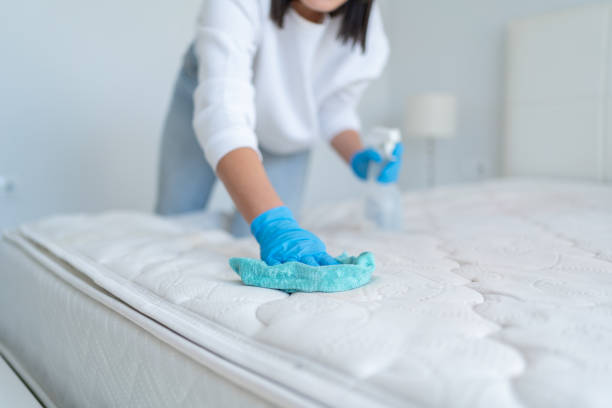
Key tasks: • Bedding washing (every 1–2 weeks) • Mattress vacuuming and rotation • Curtain/Blind cleaning • Closet organizing and dust control
Tools: low-noise vacuum, mattress protectors, mild detergents. Safety: use hypoallergenic products for sensitive users.
5 Other Spaces
Entryway: debris removal, surface disinfection. Storage areas: decluttering and moisture control. Balcony: sweeping, drainage cleaning, outdoor furniture care.
Tools and Disinfection Methods
1 Common Tools
Vacuum (preferably HEPA), mops, microfiber cloths, brushes, gloves, spray bottles, squeegee, protective gear when needed.
2 Disinfection Methods
Chemical disinfectants: diluted bleach, hydrogen peroxide, quaternary ammonium compounds. Natural/low-irritation options: vinegar, diluted hydrogen peroxide, citric acid (note limited effectiveness for certain pathogens). Physical methods: steam cleaning, UV-C devices (require strict safety procedures). Professional disinfection: fogging, hypochlorous acid generators, commercial-grade UV systems.
Benefits of Hiring Professional Cleaning Services
Hiring trained house cleaning professionals offers several advantages:
1 Safety
Professionals follow proper dilution ratios and ventilation requirements, reducing risks from chemical misuse. They also handle high-risk tasks safely.
2 Thoroughness
Trained cleaners follow structured procedures and cover overlooked areas. They select appropriate methods based on surface materials to avoid damage.
3 Peace of Mind
Reputable agencies conduct background checks and provide insurance coverage. Homeowners gain time and reduce stress knowing tasks are properly handled.
4 Effectiveness
Commercial-grade equipment (steam cleaners, high-efficiency vacuums, carpet extractors) can deliver results beyond standard household tools, improving long-term maintenance.
5 Sanitization
Professional teams provide standardized disinfection using approved products or specialized methods (EPA-registered disinfectants, fogging devices, UV-C systems).
Note: Service quality varies across providers. Review credentials, insurance, service scope, client reviews, and contract terms. Excellent organizations extend beyond listed examples, so users can evaluate options based on their needs.
How to Choose a Cleaning Service & Contract Essentials
• Check licenses, insurance, and client reviews. • Request a detailed service list. • Clarify all cost components (materials, travel, equipment). • Ensure liability coverage and accident policies are included. • Confirm disinfectant types and eco-friendly options, if needed. • Understand revision/redo policies. • Sign written agreements and use traceable payment methods.
Self-Cleaning Tips & Time Management
• Divide the home into zones and clean one at a time. • Use daily 15–30-minute quick tasks to reduce deep-cleaning workload. • Invest in quality tools such as a HEPA vacuum. • Create checklists before each cleaning session. • Label storage and pantry items to reduce future clutter. • Combine cleaning with seasonal maintenance.
Conclusion
House cleaning is essential for a healthy and comfortable living environment. By balancing daily upkeep, scheduled deep cleaning, and professional services when needed, households can manage time, cleaning effectiveness, and long-term maintenance more efficiently. Professional cleaning teams offer advantages in safety, thoroughness, reliability, effectiveness, and sanitization, though choosing a provider should involve reviewing qualifications and transparency. Establishing a structured cleaning plan and adjusting it to household needs can help maintain a clean, organized, and healthier home.