Bathroom Upgrade Guide: Costs, Design Options & Smart Ways to Save
A bathroom upgrade enhances daily comfort by improving layout efficiency, material quality, and overall usability. Modern renovations often focus on better lighting, water-saving fixtures, improved ventilation, and easy-clean surfaces. Thoughtful design—such as optimizing storage, upgrading shower systems, and enhancing accessibility—helps create a safer and more relaxing environment. Whether addressing aging infrastructure or elevating interior aesthetics, a well-planned bathroom upgrade delivers long-term functional and visual improvements suitable for homes of all sizes.
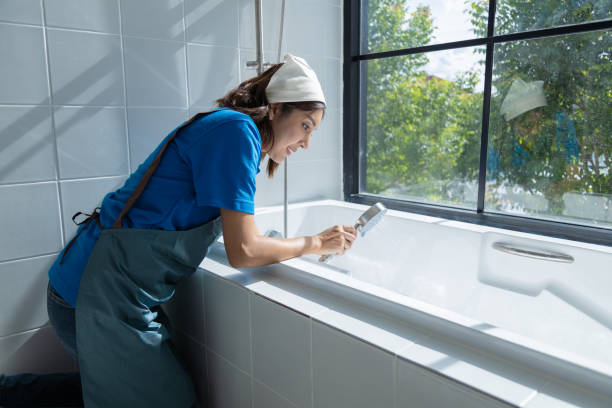
Understanding Bathroom Upgrade Costs in the U.S.
The cost of a Bathroom Upgrade varies significantly depending on project scope, materials, and contractor pricing. In many states, a small or mid-size bathroom tends to fall within predictable ranges, although urban areas—such as New York, San Francisco, or Seattle—often show higher labor costs.
Typical Cost Ranges (U.S. Market)
Below are general estimates commonly referenced by U.S. remodeling professionals:
- Minor bathroom refresh: approx. $2,500–$7,000 (Paint, lighting updates, faucet replacement, minor repairs)
- Mid-range Bathroom Upgrade: approx. $9,000–$18,000 (Vanity replacement, new tiles, updated lighting, mid-range fixtures)
- Full bathroom remodel: approx. $20,000–$35,000+ (Shower rebuild, plumbing changes, tile installation, layout adjustments)
These numbers can vary due to local labor rates, material brands, and existing structural conditions. During the planning stage of a Bathroom Upgrade, many homeowners also schedule an inspection to check for moisture damage or plumbing issues, which can affect the final budget.
Key Components of a Bathroom Upgrade
A successful Bathroom Upgrade involves several design and functional choices. Each component has a different impact on cost, durability, and daily usability.
Shower and Bathtub Upgrades
Upgrading the shower or tub is often the most impactful part of the project.
Popular options include:
- Walk-in showers with glass enclosures
- Tub-to-shower conversions
- Deep soaking tubs
- Acrylic shower walls for easier maintenance
Estimated Costs:
- Tub replacement: approx. $1,000–$3,500
- Custom walk-in shower: approx. $4,000–$10,000
- Shower door installation: approx. $700–$1,500
Homeowners often choose low-maintenance materials like acrylic or porcelain tile because these are easier to clean. A Bathroom Upgrade that focuses on the shower typically increases everyday convenience.
Vanity, Sink, and Countertop Options
The bathroom vanity influences both storage and aesthetics.
Common choices:
- Single or double-sink vanities
- Quartz or granite countertops
- Floating vanities for a modern style
- Integrated sinks for quick cleaning
Estimated Costs:
- Prefab vanity with top: approx. $500–$1,800
- Custom vanity build: approx. $2,000–$4,500
- Countertop upgrade: approx. $40–$110 per sq. ft.
A well-designed vanity can reduce clutter and improve daily routines, which makes it a frequent focus in many Bathroom Upgrade projects.
Flooring and Tile Upgrades
Bathroom flooring typically needs to be moisture-resistant and durable.
Common flooring choices:
- Porcelain tile
- Ceramic tile
- Luxury vinyl tile (LVT)
- Natural stone tile
Estimated Costs:
- Tile installation: approx. $10–$25 per sq. ft.
- Heated flooring: approx. $6–$12 per sq. ft. (installation cost only)
Tile quality and pattern layout affect both the appearance and the final budget. For U.S. homeowners planning a Bathroom Upgrade, LVT is often chosen when seeking a balanced option between cost and durability.
Lighting, Electrical, and Ventilation
Lighting is essential for safety and comfort in a bathroom.
Common upgrades:
- LED vanity lighting
- Recessed ceiling lights
- Anti-fog mirrors with integrated lighting
- Exhaust fan replacement for humidity control
Estimated Costs:
- Lighting installation: approx. $150–$500 per fixture
- Exhaust fan upgrade: approx. $250–$600
Adequate ventilation helps prevent moisture-related damage. During a Bathroom Upgrade, contractors often recommend updating older ventilation systems to protect the interior structure.
Plumbing Fixtures and Water Efficiency
Plumbing fixture upgrades can improve water efficiency and reduce long-term utility costs.
Options include:
- Water-saving toilets
- Modern faucets with adjustable flow
- Pressure-balanced shower valves
Estimated Costs:
- Toilet replacement: approx. $300–$900
- Sink faucet upgrade: approx. $120–$400
- Shower valve installation: approx. $350–$700
Most U.S. cities encourage homeowners to consider water-efficient options, especially in regions with higher water usage costs.
Layout Design Considerations for a Bathroom Upgrade
A Bathroom Upgrade that includes layout changes can enhance circulation and storage, though layout modifications typically increase costs due to plumbing relocation.
Function-Based Planning
Homeowners often assess how the bathroom is used daily:
- Do multiple family members need storage space?
- Is privacy important (e.g., separate toilet area)?
- Should the layout improve accessibility?
This evaluation helps determine whether small adjustments—such as moving the vanity—are sufficient, or whether a more comprehensive redesign is needed.
Accessibility and Aging-in-Place Features
Some Bathroom Upgrade projects incorporate accessibility considerations:
- Grab bars
- Zero-threshold showers
- Wider doorways
- Comfort-height toilets
These features support safety and usability for a wide range of household situations.
Storage Optimization
Storage design influences usability, especially in compact spaces.
Popular solutions:
- Recessed wall niches
- Vertical cabinetry
- Floating shelves
- Mirrored cabinets
Storage planning is often integrated early in a Bathroom Upgrade to avoid over-cluttered layouts.
Money-Saving Strategies for Bathroom Upgrades
Cost control is one of the most common concerns for U.S. homeowners. There are several practical ways to manage costs while maintaining quality.
Keep the Existing Layout When Possible
Plumbing relocation—especially for toilets or showers—can significantly increase costs, sometimes by $1,000–$3,000 per adjustment. Maintaining the layout is one of the most effective ways to reduce expenses in a Bathroom Upgrade.
Use Mid-Range or Mixed Materials
Mid-range materials often offer a reliable balance of durability and aesthetics.
Examples:
- Porcelain tile instead of stone
- Pre-fabricated shower bases instead of custom builds
- Mid-range vanities with upgraded faucets
This approach helps control costs without sacrificing functionality.
Consider Partial Upgrades
Partial upgrades may include:
- Replacing only the vanity
- Updating lights and mirrors
- Painting instead of re-tiling walls
- Changing faucets without replacing plumbing lines
For some homeowners, this approach reduces overall costs while still refreshing the space.
Compare Quotes from Local Contractors
Collecting multiple quotes allows homeowners to understand market pricing in their region. In the U.S., reputable contractors often provide transparent written estimates.
Examples of widely recognized platforms (quality providers beyond these also exist):
- HomeAdvisor
- Angi
- Thumbtack
These platforms allow homeowners to compare labor rates, read reviews, and verify licensing.
Purchase Materials During Sales
Many homeowners choose to buy materials during major sales periods, such as:
- Memorial Day
- Labor Day
- Black Friday
- Spring renovation promotions
Home improvement retailers—such as Home Depot, Lowe’s, and Floor & Decor—often provide seasonal discounts.
U.S. Bathroom Upgrade Examples
Below are commonly referenced renovation scenarios based on typical American bathroom sizes.
Small Bathroom Upgrade (Approx. $6,000–$12,000)
Features often include:
- New vanity
- Updated lighting
- Tile flooring
- Fresh paint
- Standard shower door or curtain
This scenario fits apartments or older single-family homes with compact layouts.
Medium Bathroom Upgrade (Approx. $12,000–$20,000)
May include:
- Tub-to-shower conversion
- Mid-range vanity
- Tile shower walls
- Updated fixtures
- New ventilation system
This level is common in suburban homes where homeowners seek more modern features.
Full Bathroom Remodel (Approx. $20,000–$35,000+)
Often includes:
- Complete layout reconfiguration
- Custom tile shower
- High-efficiency plumbing fixtures
- Premium vanity and countertops
- Upgraded lighting and heated floors
This scope is chosen for bathrooms serving as primary or master suites.
Recommended U.S. Resources for Bathroom Upgrade Learning or Support
For homeowners wanting additional knowledge or assistance, several organizations provide courses or guidance. (Not the only quality options.)
Practical Learning Resources
- Local Home Improvement Workshops Many Home Depot and Lowe’s stores offer DIY classes covering tiling, lighting installation, and fixture replacement.
- Community College Programs Some provide short courses on home repair fundamentals, including plumbing basics.
- Online Learning Platforms Platforms like Udemy or Skillshare offer instruction on interior design and remodeling planning.
Conclusion
A Bathroom Upgrade provides an opportunity to improve comfort, functionality, and long-term property value. By understanding typical U.S. costs, identifying key upgrade components, and planning the layout carefully, homeowners can make informed decisions that fit their budget and goals. Practical strategies—such as maintaining the current layout, selecting mid-range materials, and comparing contractor quotes—help control costs while ensuring a durable result. When approached with thoughtful planning, a Bathroom Upgrade can enhance everyday living and support future resale value without unnecessary expense.