How Much Does Window Replacement Really Cost?
Replacing windows is an effective way to improve the aesthetics and energy efficiency of your home, but understanding the cost breakdown is crucial for homeowners. This article details several factors that influence the cost of window replacement, including window type, frame material, size, installation complexity, and energy efficiency features. By understanding these factors, homeowners can make informed decisions and optimize costs. We also provide cost-saving strategies such as comparing quotes, choosing standard-sized windows, and investing in energy-efficient windows. Whether you're replacing one or two windows or undertaking a complete window overhaul, this guide will help you achieve the best return on investment.
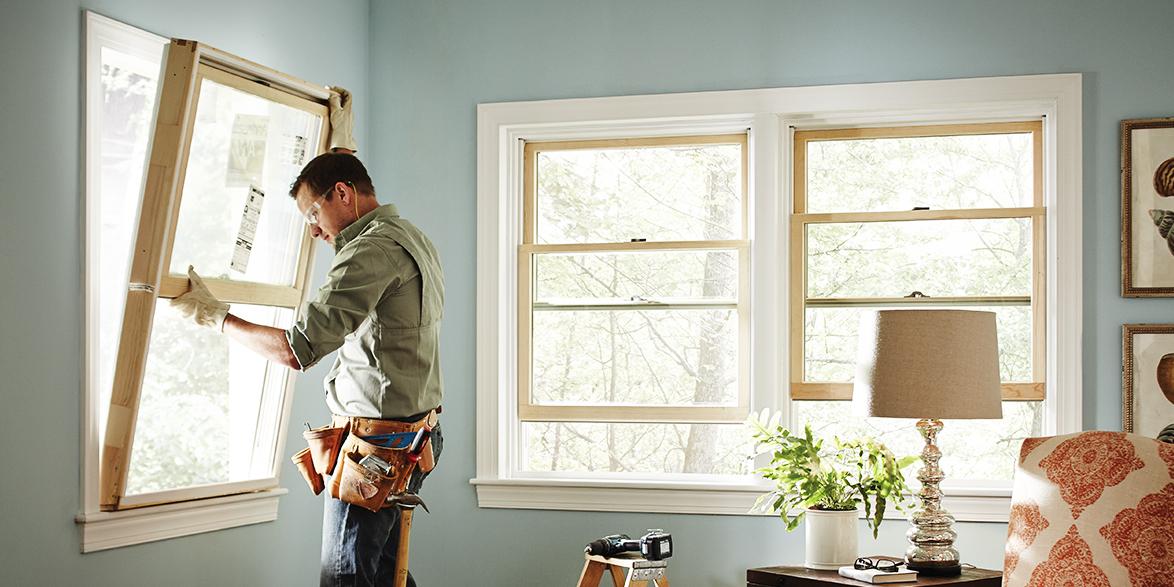
What Factors Affect Window Replacement Costs?
Several factors contribute to the overall cost of replacing windows. The following elements will influence how much you can expect to pay:
1. Type of Window The type of window you choose plays a significant role in the overall cost. Standard double-hung windows are typically more affordable, while specialty windows such as casement or bay windows are more expensive due to their design complexity. Additionally, custom-made windows can increase the cost due to their unique specifications.
2. Material of the Window Frame The material of the window frame affects both the cost and the long-term maintenance of the window. Common window frame materials include:
- Vinyl: Affordable and energy-efficient, vinyl is one of the most popular choices for window replacements.
- Wood: Wood frames offer a classic aesthetic but tend to be more expensive and require more maintenance over time.
- Aluminum: While durable, aluminum frames are less energy-efficient than vinyl or wood, making them a less popular choice.
- Fiberglass: Known for its durability and energy efficiency, fiberglass is often used for high-end window replacements but comes at a higher price.
3. Window Size Larger windows generally cost more to replace, as they require more materials and labor. Custom-sized windows will also increase the cost, as they are not mass-produced and may require special measurements.
4. Installation Complexity The difficulty of installation plays a crucial role in determining the overall cost. If your current windows are difficult to remove or the structure requires modification, this will add to the labor costs. A straightforward installation, however, will be less expensive.
5. Energy Efficiency Features Windows designed with energy efficiency in mind, such as double or triple glazing, Low-E coatings, and gas-filled panes, are more costly upfront but can save you money in the long term by reducing energy bills. Depending on your climate and energy-saving goals, investing in energy-efficient windows may be a wise decision.
6. Window Brand and Manufacturer Well-known brands or manufacturers with a reputation for quality and durability may charge more for their products. However, higher-quality windows tend to last longer, reducing the need for frequent replacements.
What is the Average Window Replacement Cost?
The cost of replacing windows can vary widely depending on the factors mentioned above. On average, homeowners can expect to pay between $300 and $1,500 per window, including both materials and installation. Here’s a general breakdown:
- Vinyl windows: $300 - $900 per window
- Wood windows: $500 - $1,500 per window
- Aluminum windows: $400 - $1,000 per window
- Fiberglass windows: $600 - $1,500 per window
Additional Costs to Consider In addition to the base cost of the windows themselves, you may need to factor in the following additional expenses:
- Old Window Removal: If the old windows need to be removed and disposed of, this can add an additional $50 to $150 per window.
- Permits and Inspection Fees: Depending on your location, you may need permits for window replacement, which can add extra costs. These fees vary by region but can range from $50 to $200.
- Interior and Exterior Finishing: If you need to repair or replace the surrounding trim, this will also increase the overall cost. Budget around $100 to $300 per window for finishing touches.
How to Save Money on Window Replacement While window replacement can be expensive, there are several strategies you can use to reduce costs:
1. Get Multiple Quotes Don’t settle for the first quote you receive. By obtaining quotes from multiple contractors, you can compare prices and find the best deal. Be sure to ask about any promotions or discounts that may be available.
2. Consider Replacing Multiple Windows at Once Replacing several windows at the same time can lower the overall cost per window, as contractors may offer bulk discounts. Additionally, you can save on labor costs by having all the windows replaced in a single project.
3. Choose Standard Sizes If your windows are custom-made, they will cost more to replace. Opting for standard-sized windows may reduce the cost significantly.
4. Invest in Energy-Efficient Windows While energy-efficient windows may cost more upfront, they can save you money in the long run by reducing heating and cooling costs. If you live in an area with extreme temperatures, the initial investment may be well worth it.
When is it Time to Replace Your Windows?
Understanding when it’s time to replace your windows can help you avoid unnecessary expenses. Here are some signs that indicate your windows may need replacing:
- Drafts and Temperature Issues: If your windows allow drafts or make it difficult to maintain a comfortable temperature in your home, they may be losing their insulating properties.
- Visible Damage: Cracked, broken, or warped windows can compromise the security and energy efficiency of your home.
- Difficulty Operating: If your windows are hard to open, close, or lock, it may be time for a replacement.
- Excessive Noise: If you notice increased outdoor noise entering your home, your windows may no longer provide adequate soundproofing.
Conclusion
Window replacement is a substantial investment, but it can enhance your home’s energy efficiency, aesthetics, and value. Understanding the factors that affect window replacement costs can help you make an informed decision and ensure you get the best value for your money. Whether you’re replacing a few windows or undertaking a full-scale window replacement project, being prepared with knowledge about the cost breakdown can make the process smoother and more affordable.