Transform Your Home: Expert Interior Design Tips You Need
Home interior design goes beyond aesthetics—it creates functional, comfortable spaces that reflect your style. A well-designed home enhances daily life, efficiency, and well-being. Whether renovating a house or redesigning a room, understanding design principles, color, lighting, furniture, storage, and decor is key to a harmonious, beautiful home.
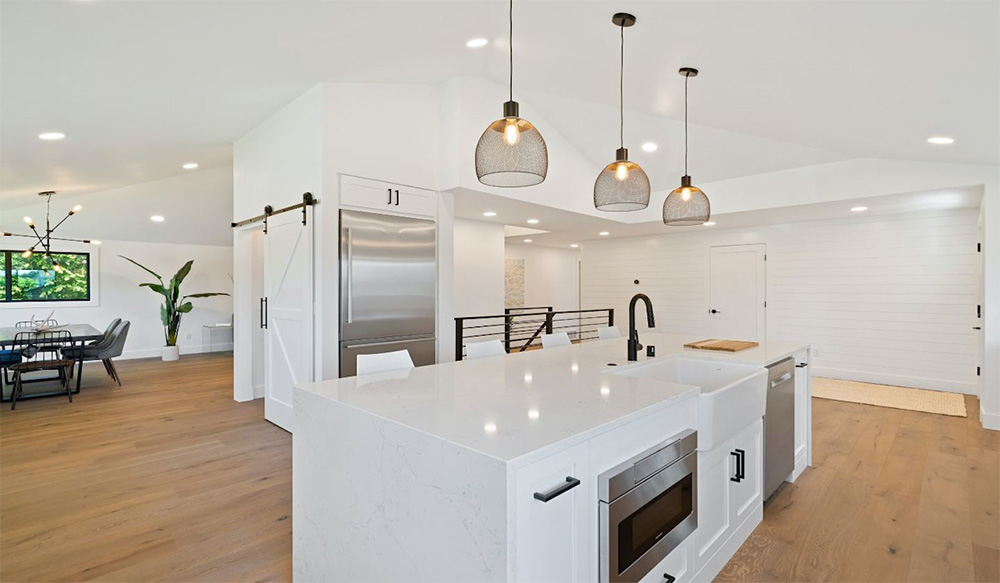
Core Principles of Interior Design
1 Functionality Comes First
A well-designed space must meet practical needs. Poor layout, insufficient storage, or obstructed pathways can make a home uncomfortable despite its beauty.
Common functional issues include:
- Limited kitchen counter space
- Inadequate bedroom storage
- Cluttered entryways
- Crowded or empty living rooms
- Poor lighting causing cramped perception
Before designing, list the household needs including routines, family size, work or study areas, and hobbies. Use this as a foundation for layout planning.
2 Maintain Consistency
Consistency in style, material, color, lighting, furniture, and decor creates harmony. Avoid mixing too many styles or materials, which can make spaces feel chaotic.
3 Embrace Negative Space
Leaving space between furniture and around rooms allows the home to breathe. Minimalist spacing also offers flexibility for future adjustments.
Popular Interior Design Styles
1 Modern
- Features: clean lines, open space, neutral tones
- Ideal for: those seeking simplicity and uncluttered visuals
2 Scandinavian
- Features: light wood, natural textures, soft lighting
- Ideal for: warm, inviting spaces with a natural feel
3 Japandi / Japanese Minimalist
- Features: natural textures, muted colors, minimal decor
- Ideal for: tranquil and simple living
4 Industrial
- Features: metal, concrete, darker tones
- Ideal for: bold, urban, and edgy aesthetics
5 Contemporary Luxury
- Features: marble, glass, metallic accents
- Ideal for: high-end, stylish, and visually rich interiors
Choosing a style guides furniture, lighting, and decorative choices throughout the home.
Color Schemes for Comfort and Style
Use the 60:30:10 rule for balance:
- 60% primary color: walls and main furniture (e.g., white, beige, light gray)
- 30% secondary color: curtains, rugs, wood finishes
- 10% accent color: pillows, artwork, accessories
Tips:
- Small spaces benefit from light colors
- Large spaces can handle darker or bolder hues
- Warm tones create cozy environments, neutral/gray tones create a modern feel
- Green accents bring a sense of nature
Lighting Design for Atmosphere
1 Three-Layer Lighting
- Ambient: main ceiling light for general illumination
- Task: focused lighting for work or reading areas
- Accent: decorative lighting to highlight features and create mood
2 Warm vs. Cool Lighting
- Warm light (2700–3000K): relaxing, ideal for bedrooms and living rooms
- Cool light (4000–5000K): bright, suitable for kitchens, offices
3 LED Strips and Accent Lighting
- Ceiling cove lighting
- Cabinet lighting
- Bedside or stairs lighting
Lighting enhances both function and visual appeal.
Furniture Selection Principles
- Invest in large items: sofa, bed, and dining table
- Opt for multi-functional furniture: storage beds, expandable tables, modular sofas
- Size matters: avoid oversized furniture in small spaces
Room-by-Room Design Guide
1 Living Room
- Layout: keep sofa-to-TV distance 8–10 feet; avoid blocking doors
- Materials: hardwood floors, area rugs
- Decoration: art, plants, high-quality furniture
2 Kitchen
- Functional layout: fridge → sink → stove triangle
- Counter height: 85–90 cm
- Lighting: task lights over work surfaces
- Layout options: L-shaped, U-shaped, island, open-plan
3 Bedroom
- Soft colors, comfortable bed
- Blackout curtains or layered window treatments
- Storage: under-bed, wardrobes, nightstands
4 Bathroom
- Wet/dry separation
- Anti-slip tiles
- Wall niches for toiletries
- Soft, bright lighting
5 Backyard / Outdoor
- Decking or patio
- Lawn and plants
- Seating and barbecue area
- Optional water features
Soft Furnishing and Decorative Tips
- Textiles: cushions, curtains, rugs
- Wall decorations: paintings, wall panels
- Indoor plants: bring life to any style
Storage Design
- Maximize vertical space
- Hidden storage preferred
- Use corners, under-bed, and walls efficiently
- Recommended: entry cabinets, floor-to-ceiling wardrobes, drawer units
Mindset for Creating Your Ideal Home
- Design is a gradual process
- Start small: organize, improve lighting, adjust soft furnishings
- Every improvement enhances living quality
Cost-Saving Tips
- Plan before shopping to avoid impulse purchases
- Mix high-quality and budget-friendly items
- DIY décor for personalization
- Consider refurbished or multi-functional furniture
Conclusion
Home interior design combines aesthetics, functionality, and personal expression. By understanding principles, selecting an appropriate style, planning layouts, choosing colors and lighting, and optimizing storage, you can create a home that is both beautiful and practical. Start with one room or one element and gradually transform your house into a comfortable, stylish, and welcoming home.