How Much Does Bathtub Renovation Really Cost?
Understanding bathtub renovation cost helps homeowners plan upgrades that match their budget and expectations. Costs vary depending on whether the project involves refinishing, installing a liner, or replacing the entire tub. Material choices, plumbing conditions, and regional labor rates also influence total expenses. Many homeowners start by evaluating the tub’s condition and identifying whether cosmetic improvements or structural updates are needed. By comparing common cost ranges and renovation methods, readers can better estimate potential expenses and choose an approach suitable for their home without unnecessary stress.
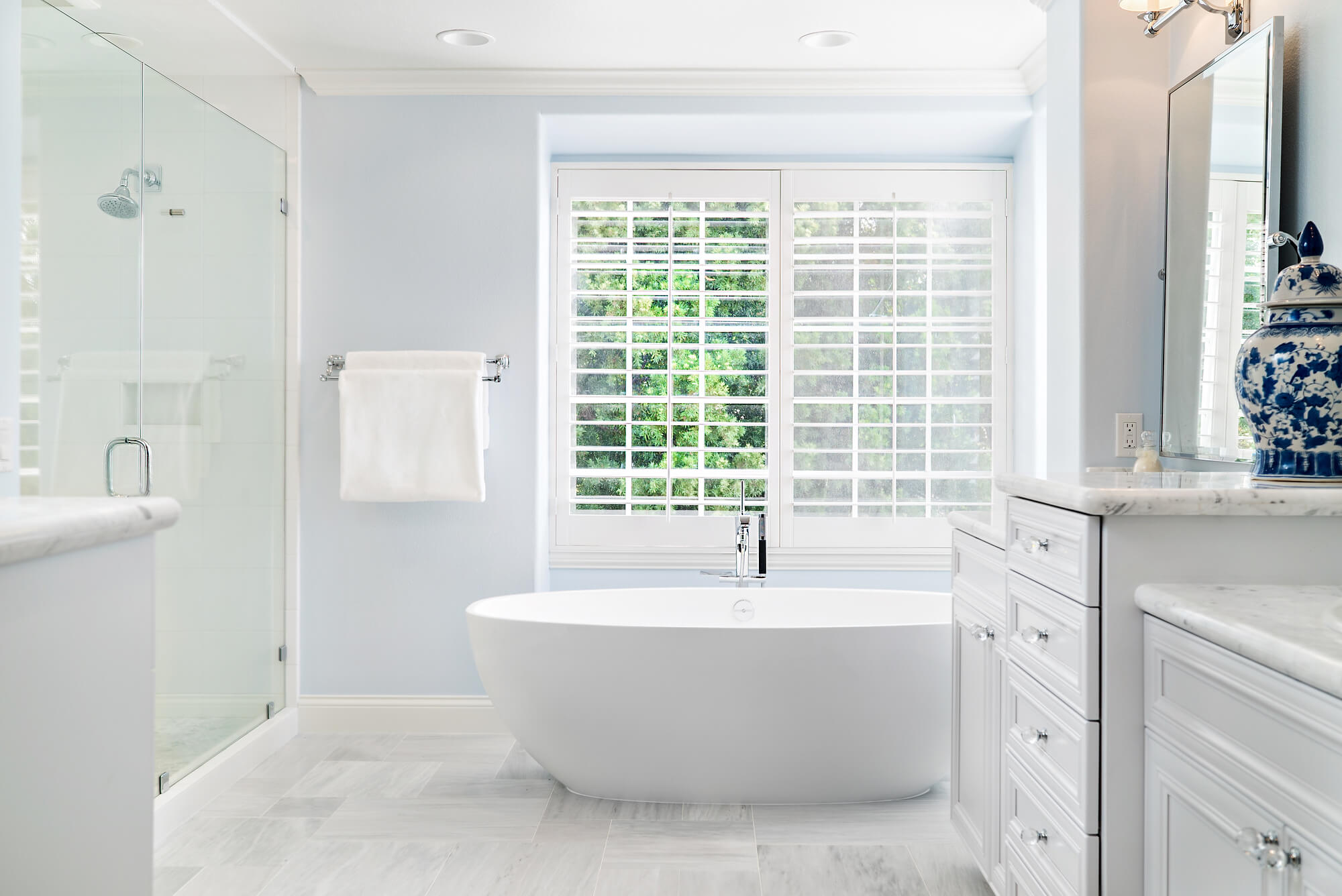
What a Bathtub Renovation Includes
A bathtub renovation can be a simple cosmetic refresh or a more extensive project that changes the tub structure, plumbing layout, or surrounding materials. Homeowners may choose renovation for reasons such as aging fixtures, water staining, chipped surfaces, or a desire to modernize.
Renovation work often includes surface refinishing, tile updates, plumbing improvements, or installing a new bathtub. Each choice influences the bathtub renovation cost depending on the complexity of the work, material preferences, and labor requirements in different regions of the United States.
Common Approaches to Bathtub Renovation
Refinishing or Reglazing
Refinishing involves repairing minor cracks or stains and applying a new coating. This option is popular among homeowners who want a refreshed look without replacing the entire unit. It is typically suitable for tubs made of porcelain, fiberglass, or cast iron. Many homeowners choose refinishing when the structure of the tub is still solid.
Tub Replacement
Replacing the bathtub is a more involved project because it may require demolition, plumbing adjustments, and updates to surrounding walls. This option allows homeowners to choose a new style or shape, but the bathtub renovation cost increases due to labor and additional materials. It is often chosen when the existing tub is severely damaged, outdated, or not compatible with refinishing.
Converting a Tub to a Shower
Some homeowners choose to convert an existing tub area into a standing shower. This provides accessibility advantages and allows the bathroom to feel more open. The cost varies depending on whether custom glass, tile work, or structural adjustments are required.
Installing a Bathtub Liner
A tub liner is a molded shell installed over the original tub. This method avoids demolition, but it requires precise measurements to ensure proper fit. Liners offer a new appearance with less disruption, and they fall between refinishing and replacement in terms of cost.
Factors That Influence Bathtub Renovation Cost
Material Choices
Acrylic, fiberglass, porcelain, and cast iron influence pricing due to manufacturing complexity and durability. Acrylic and fiberglass options are generally more economical, while cast iron can increase costs due to weight and installation requirements.
Layout and Plumbing Changes
If the renovation requires moving drain lines or altering plumbing, costs may rise. Properties with older systems may require updates to meet current standards. These adjustments play a major role in the final bathtub renovation cost.
Labor and Regional Pricing
Labor rates differ across the United States. Urban centers tend to have higher labor prices, while rural areas may be more flexible. Specialized skills such as tile work or plumbing add to the total cost.
Condition of Existing Bathroom
Water damage, mold, or structural issues can extend renovation time. Identifying these early helps homeowners plan an appropriate budget.
Additional Features
Homeowners sometimes choose optional upgrades such as slip-resistant surfaces, built-in shelving, or improved fixtures. Even simple features influence the bathtub renovation cost depending on style and material selection.
Typical Cost Ranges in the U.S.
While costs vary significantly by region and project size, the following general ranges offer a starting point. These numbers are not guarantees but commonly observed estimates in the U.S. market:
Refinishing or reglazing usually falls in the range of約200–約800美元. Tub liners often cost between約1200–約3000美元 depending on customization and material. Full replacement may fall within約1500–約5000美元 or more depending on plumbing updates, tile work, and demolition needs. Conversions from a tub to a shower often range from約2000–約7000美元 depending on design and finishes.
These ranges help homeowners plan a preliminary budget while understanding that actual quotes depend on home condition and material choices.
How to Choose the Right Approach for Your Home
Many homeowners choose refinishing when the tub structure is still stable. Replacement, on the other hand, is more suitable for outdated tubs or bathrooms undergoing broader renovation. People who need easier access may consider a conversion from tub to shower. Homeowners who want a new look without demolition often choose a liner installation.
Comparing the long-term durability, maintenance needs, and appearance helps determine which option aligns with your expectations.
How to Estimate Your Own Bathtub Renovation Cost
Homeowners can begin with the following considerations before seeking professional guidance:
Evaluate current tub condition and identify any cracks or stains. Make a list of desired changes, such as updating fixtures or adding new tiles. Consider whether plumbing adjustments are needed. Compare material choices and their approximate costs. Review examples of completed bathroom projects for inspiration.
Creating a detailed list of expectations helps generate more accurate quotes. Even though not every homeowner seeks professional services immediately, understanding these elements supports decision-making.
Example Scenarios
A homeowner with a lightly stained acrylic tub may choose refinishing for約300–約600美元. A family renovating an older bathroom with damaged tiles and outdated fixtures may choose replacement, which could reach約2500–約4500美元 depending on labor. Another homeowner wanting a modern walk-in shower may plan for約3000–約7000美元 depending on materials and layout.
These examples highlight how bathtub renovation cost varies based on project goals.
Choosing Materials That Fit Your Budget
Acrylic tubs work well for homeowners seeking a balance of cost and durability. Cast iron provides a heavier structure and long life span, often selected in older homes or high-use environments. Fiberglass offers an economical option with simplified installation. Porcelain provides a classic appearance but may require more care to maintain.
Selecting materials with planned maintenance in mind prevents unnecessary expenses later.
Renovation Timeline
Most refinishing projects take one to two days. Replacement often requires several days to complete. Projects involving additional tile work or plumbing adjustment may extend the timeline. Understanding this helps homeowners plan schedules and reduce inconvenience during renovation.
When a Bathroom Inspection Is Helpful
A general inspection can help identify issues such as water leaks, ventilation problems, or structural deterioration. Identifying these early can help estimate bathtub renovation cost more accurately and avoid unexpected delays.
Tips for Managing Costs Effectively
Homeowners can use several strategies:
Keep the existing tub layout to avoid plumbing changes. Choose materials that match your long-term maintenance expectations. Request itemized estimates to understand labor and material breakdowns. Avoid rushing decisions by reviewing multiple design concepts.
Clear planning reduces unnecessary spending and supports informed renovation choices.
Final Thoughts
Understanding bathtub renovation cost helps U.S. homeowners plan upgrades that align with their expectations and budget. With knowledge of materials, renovation approaches, labor factors, and maintenance considerations, homeowners can choose the solution most suitable for their bathroom’s condition and long-term needs.
Renovating a bathtub does not require immediate commitment. A clear understanding of options empowers homeowners to make well-informed decisions.